Downtown Brooklyn and the Dime

The Brooklyn Tower, built by Michael Stern’s JDS Development Group, is Brooklyn’s first supertall, rising from the landmark Dime Savings Bank, and this cluster describes the district surrounding the former bank. Downtown Brooklyn was the civic and commercial center of an independent city until 1898, and its streets still carry the marks of each era that tried to remake it.
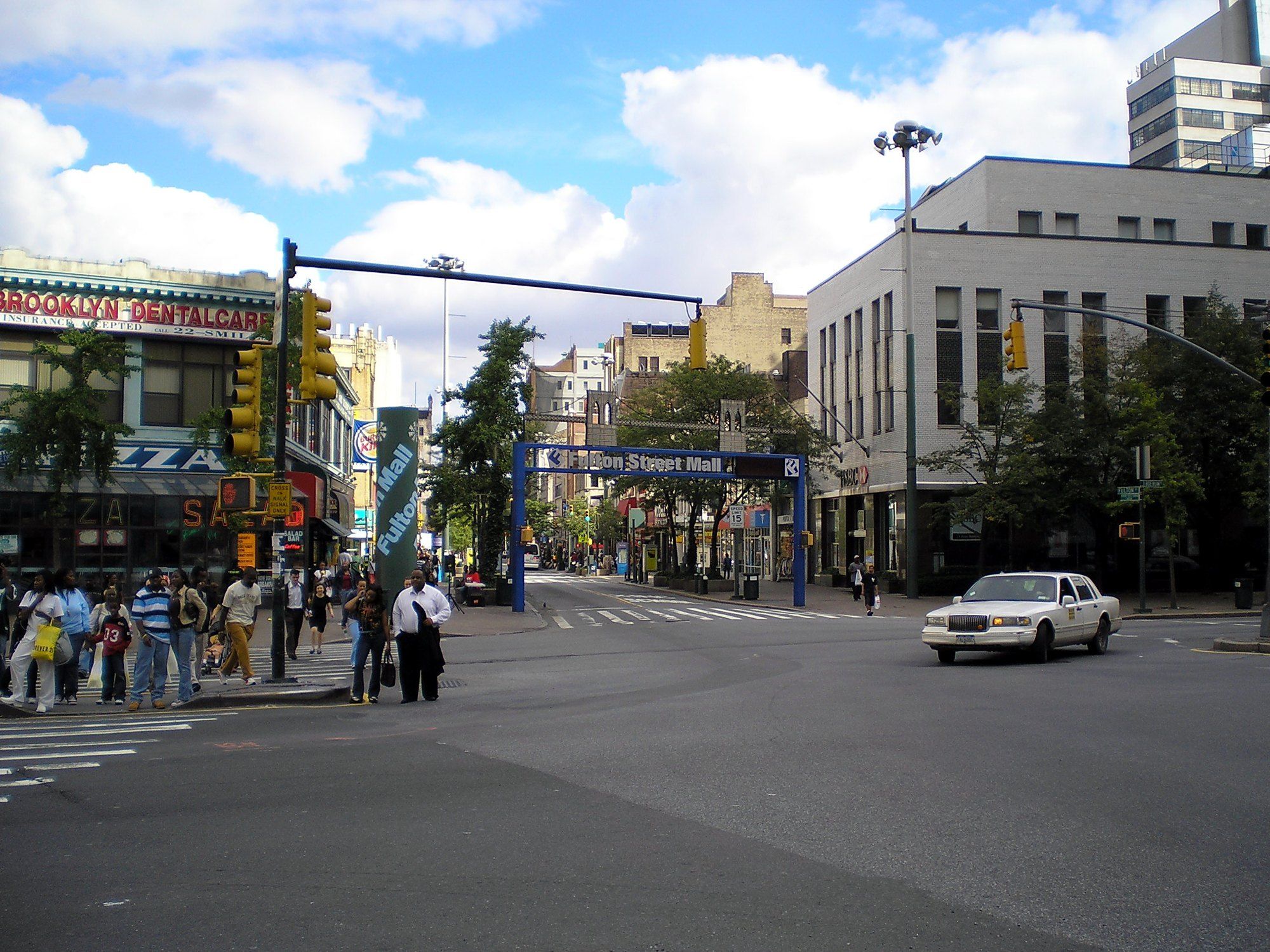
Shopping defined much of it. The Fulton Mall, eight blocks of stores on Fulton Street, has been implicated in nearly every plan for the borough since the Brooklyn Bridge opened; a review in Places Journal describes a street that thrives with a diverse crowd of shoppers while never matching the unified, upscale vision that planners kept drawing for it.1
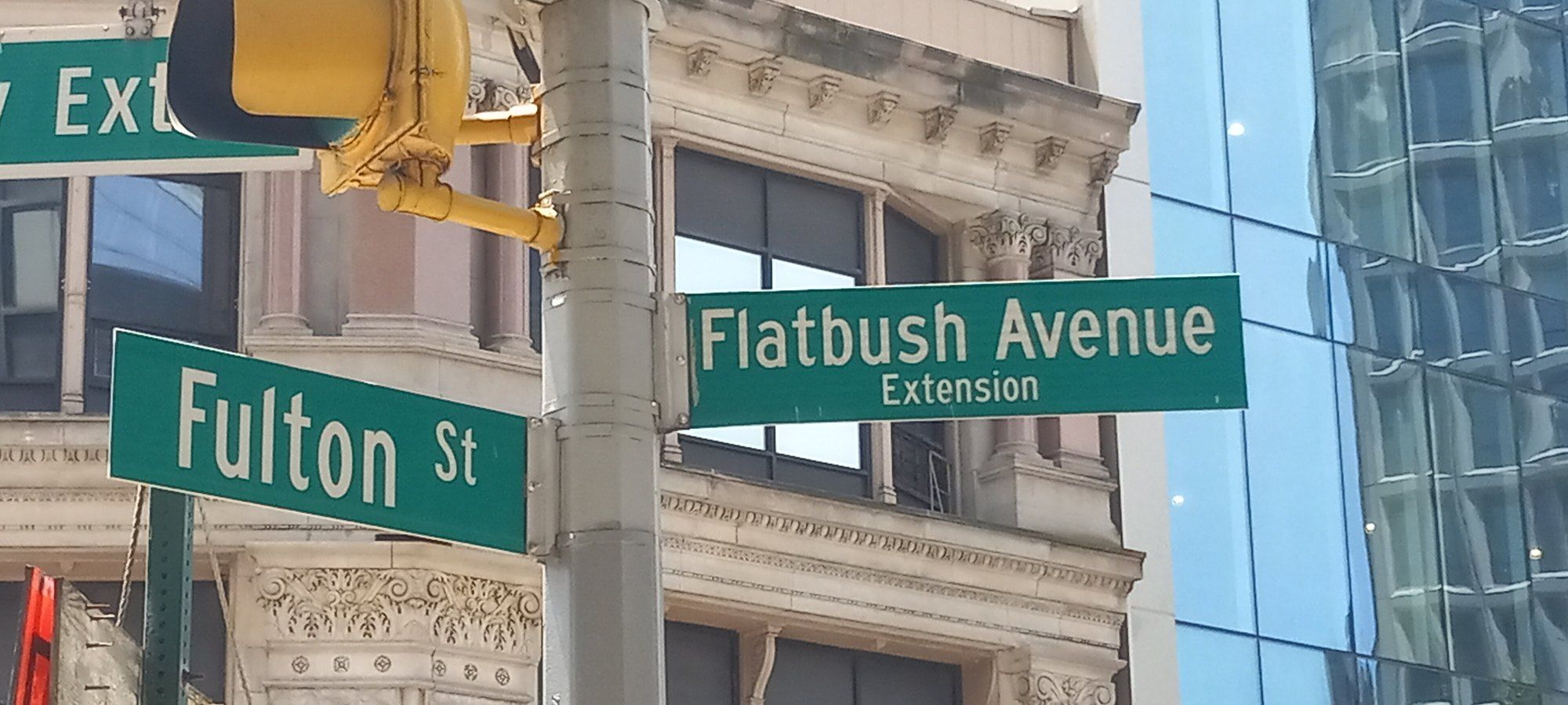
Traffic reshaped it too. The Flatbush Avenue Extension carries cars from the Manhattan Bridge into the district, and in 1941 and 1942 the Works Progress Administration straightened a hazardous bend, added lanes and built three safety islands between Lafayette Street and Fulton Street, according to the Living New Deal archive.2
Culture is the newest layer. In 2004 the city set up a cultural district around the Brooklyn Academy of Music as part of its Downtown Brooklyn plan, and a State Comptroller’s report counted the renovated 80 Arts building, with twelve nonprofit groups inside, as the district’s opening project.3
The entries follow those threads. Dime Savings Bank of Brooklyn covers the domed bank itself, and the entry on the borough’s savings banks sets it among the borough’s other banking halls. The Williamsburgh Savings Bank Tower had the borough’s skyline to itself for decades. Fulton Mall, the Flatbush Avenue Extension and the Brooklyn Cultural District cover the street, the road and the arts, and the Brooklyn skyline brings them together. Two further entries study how the tower’s plan answers the bank and what lies beneath the neighboring blocks.
- Places Journal, Street Cred
- Living New Deal, Manhattan Bridge and Flatbush Avenue Improvements, Brooklyn NY
- Office of the New York State Comptroller, Arts and Cultural Organizations in the Greater Downtown Brooklyn Area
Entries in this subject
-
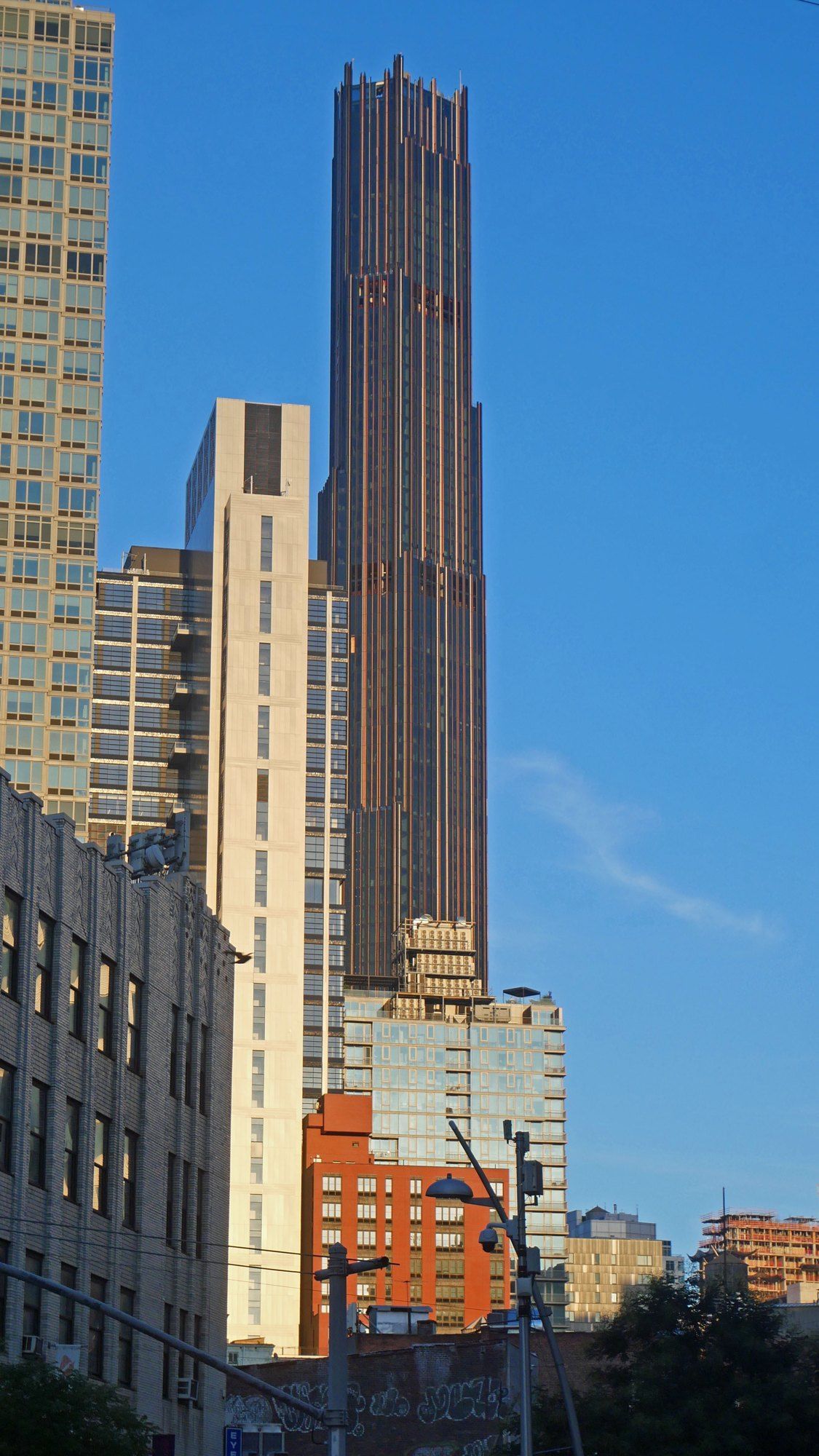 Building
The Brooklyn Tower
White marble below, dark metal above, and what each material does as the years pass.
-
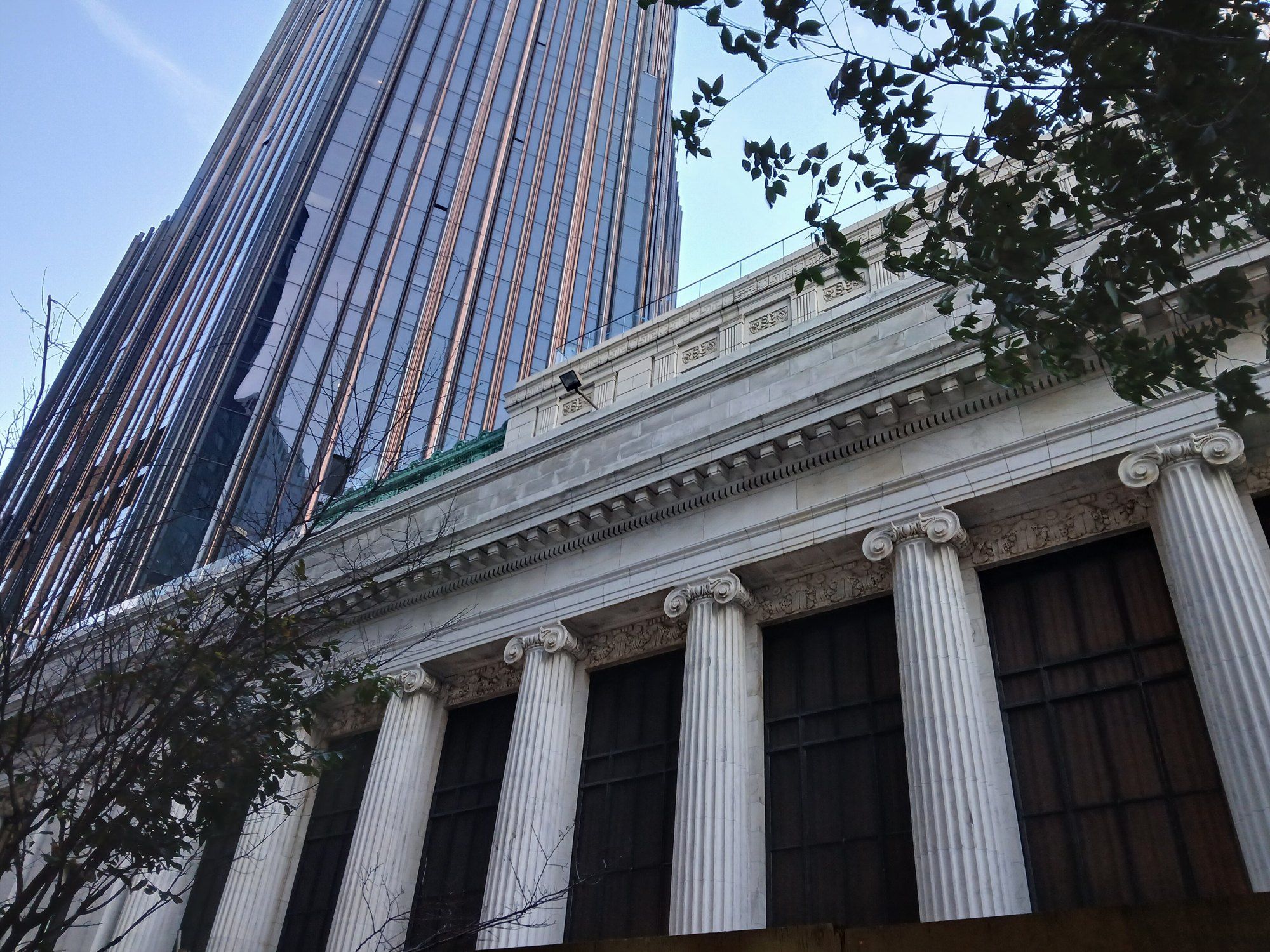 Downtown Brooklyn and the Dime
The Brooklyn Tower Plan Around the Dime
Two sets of designers, one odd lot, and the six sided figure that ties them together.
-
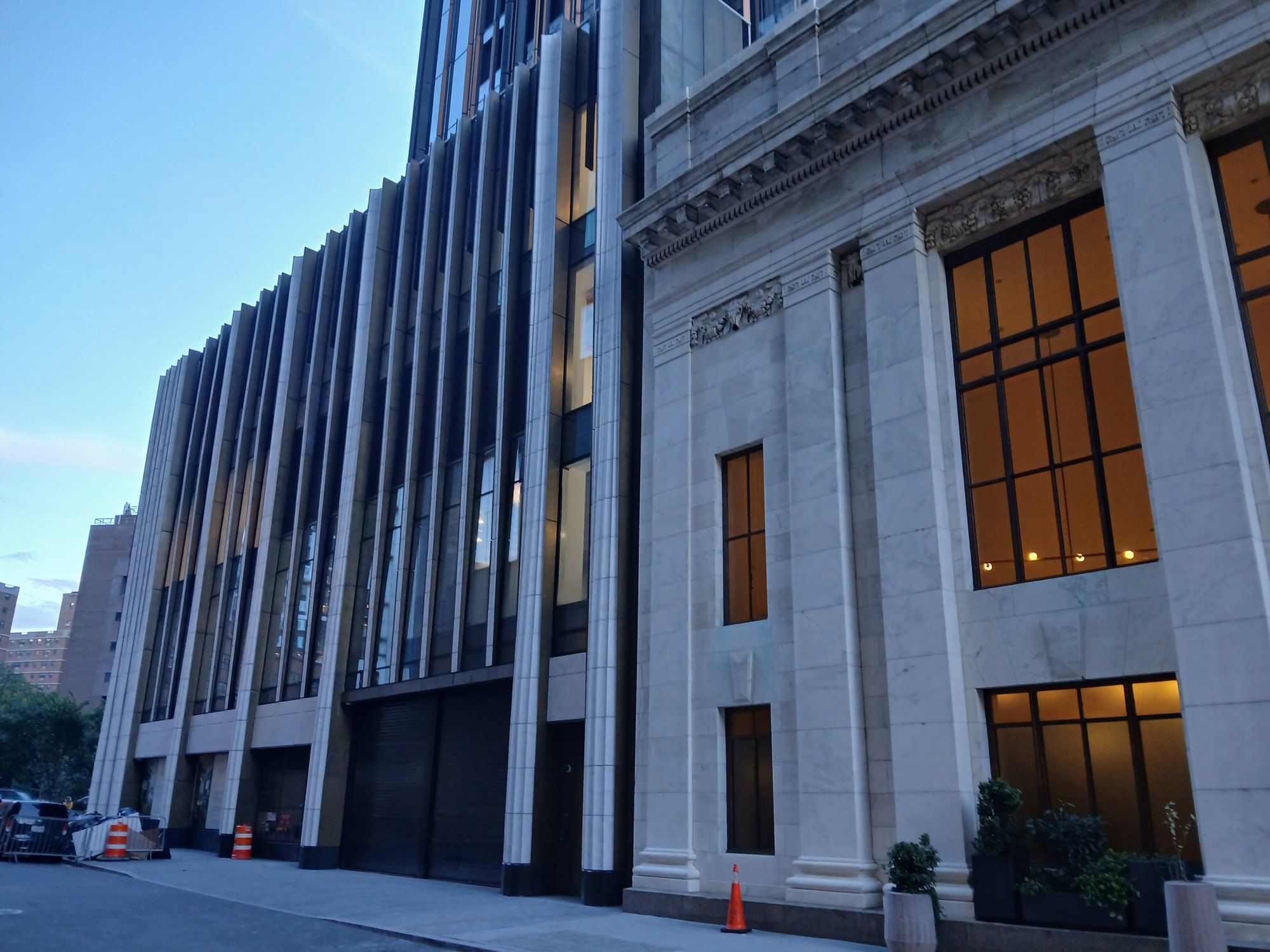 Downtown Brooklyn and the Dime
Excavating Beside the Dime Savings Bank
Albee Square, glacial ground and the city rule for digging next to a landmark, walked stop by stop.
-
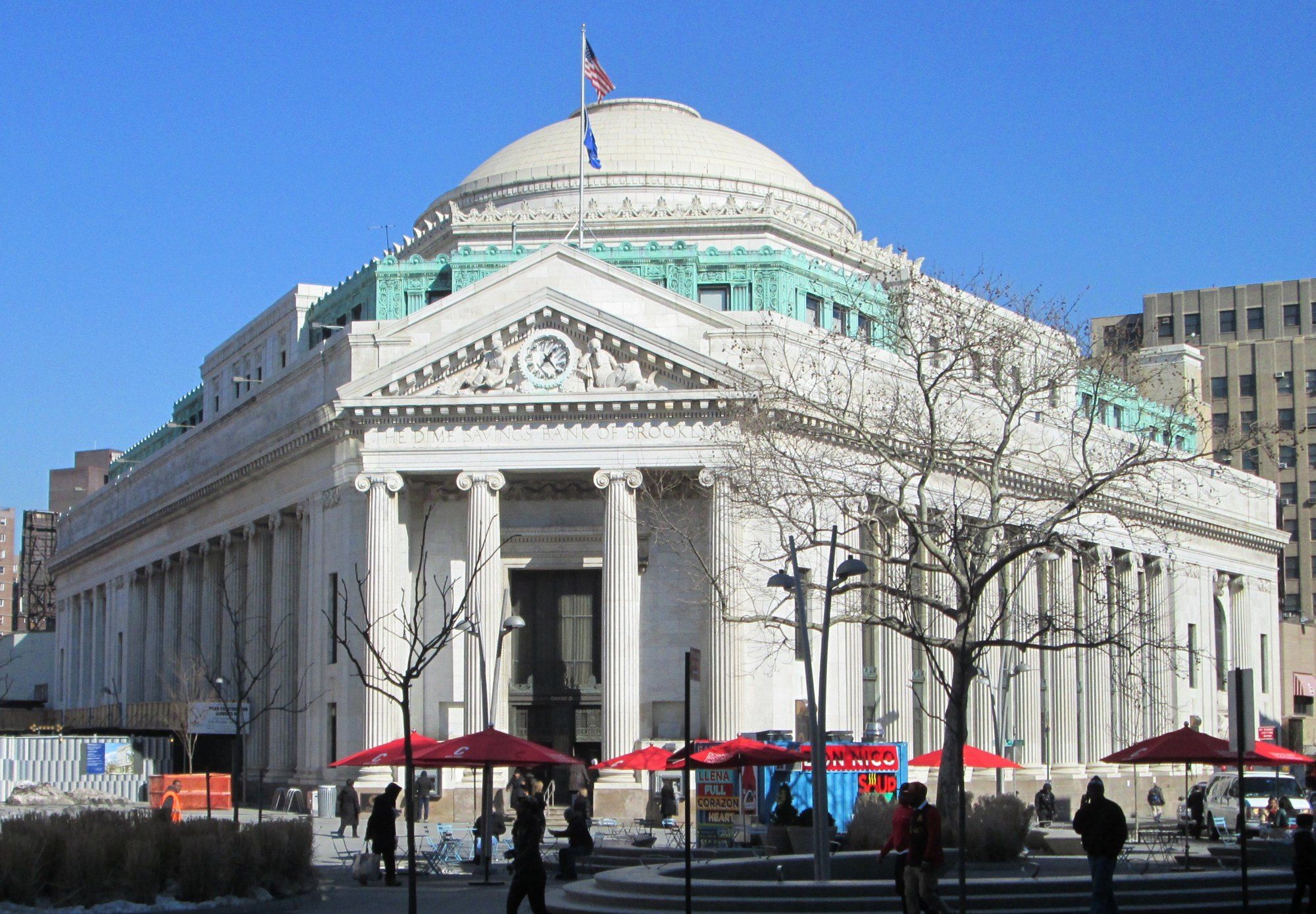 Downtown Brooklyn and the Dime
Dime Savings Bank of Brooklyn
A savings bank of 1859, a temple of 1908, an enlargement of 1932 and a designation of 1994.
-
 Downtown Brooklyn and the Dime
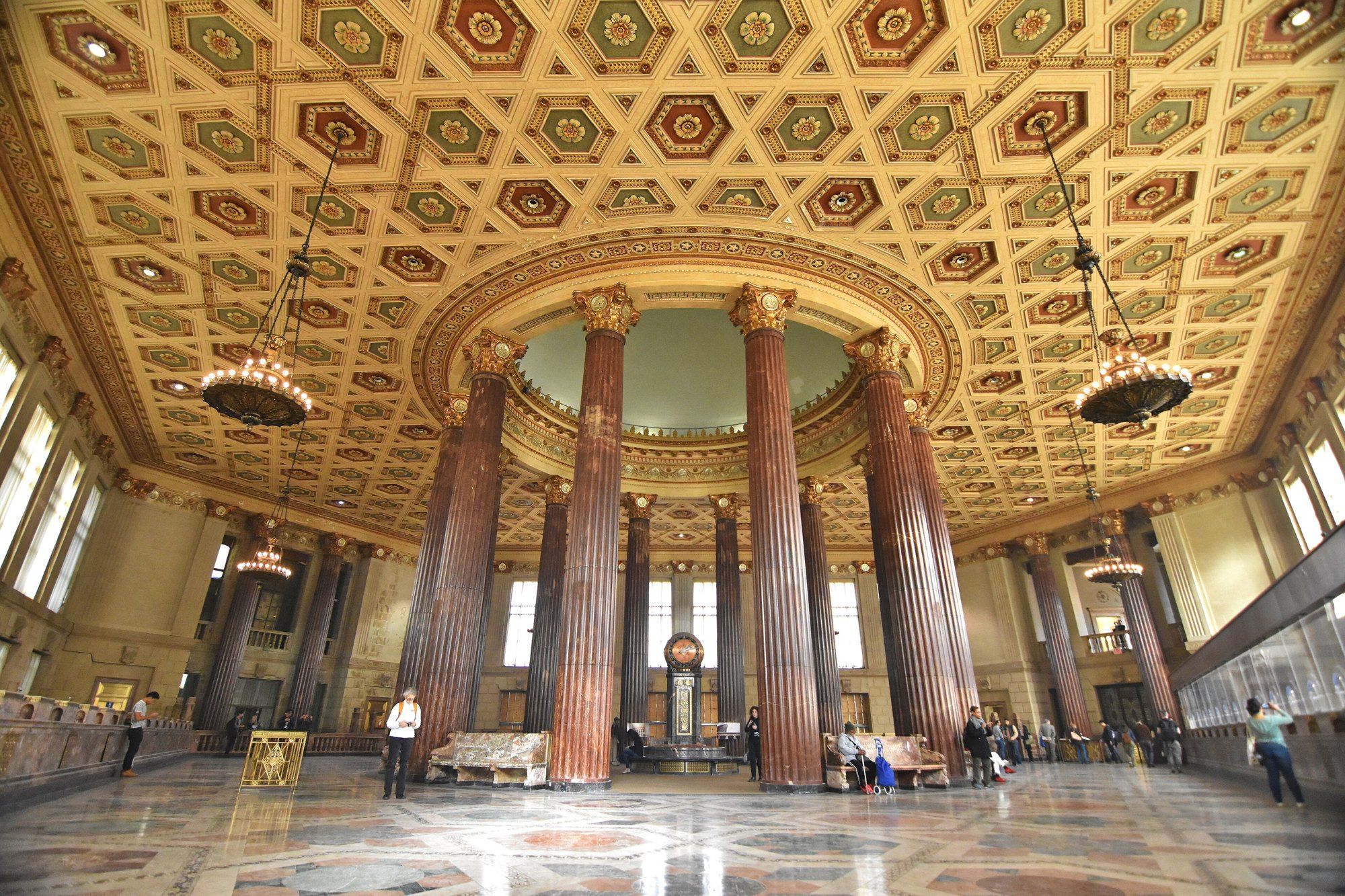
Savings Bank Architecture in Brooklyn
Why banks for the thrifty dressed as temples, answered from Greenpoint to Hanson Place.
-
 Downtown Brooklyn and the Dime
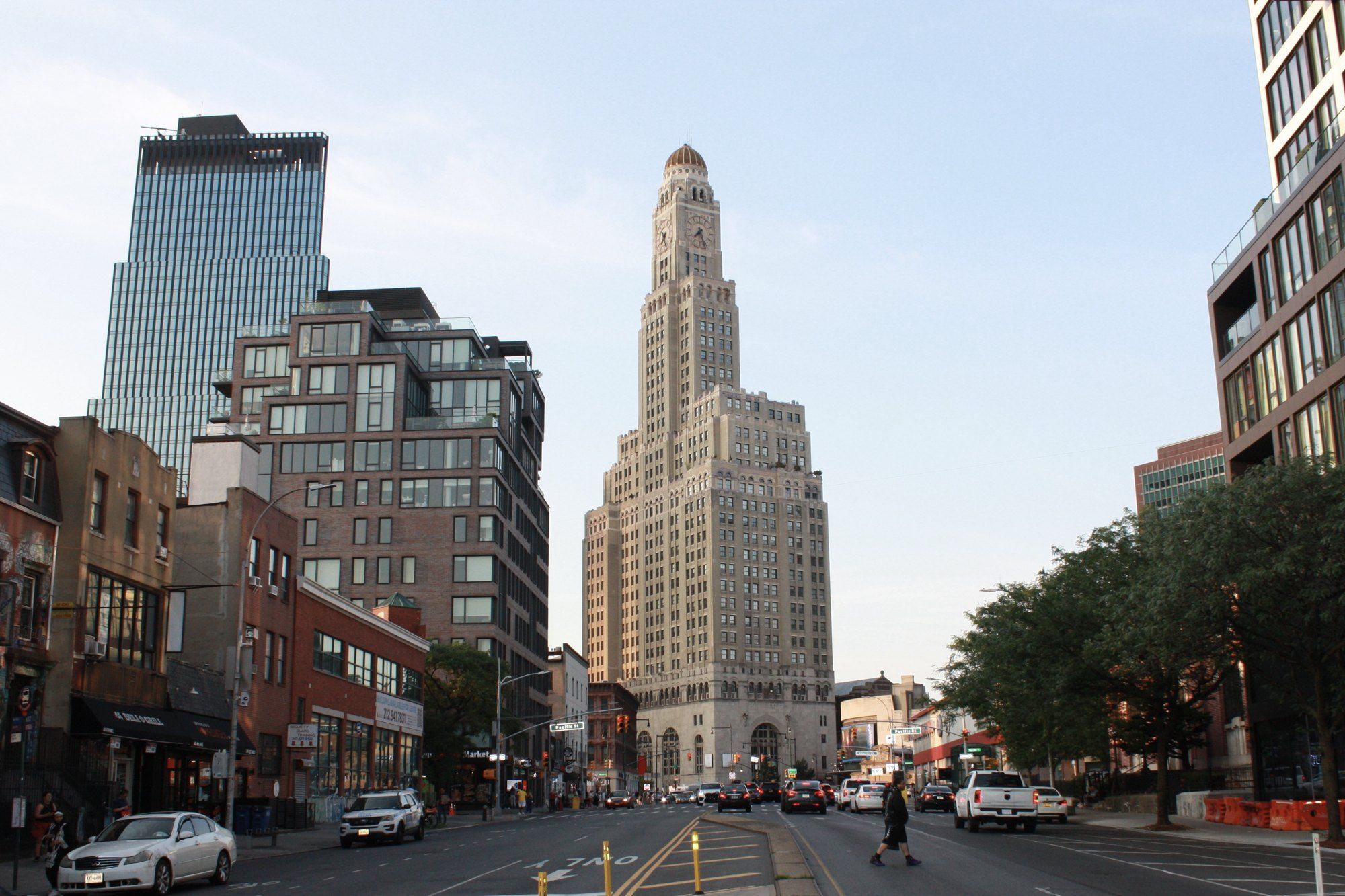
Williamsburgh Savings Bank Tower
A clock, a gilded dome and a banking hall built like a basilica, taken from the crown downward.
-
 Downtown Brooklyn and the Dime
Fulton Mall
Where Abraham and Straus rose, a bus and pedestrian mall followed, and the arguing never stopped.
-
 Downtown Brooklyn and the Dime
Flatbush Avenue Extension
A bridge approach cut through Brooklyn, and the engineers, sculptors and work crews behind it.
-
 Downtown Brooklyn and the Dime
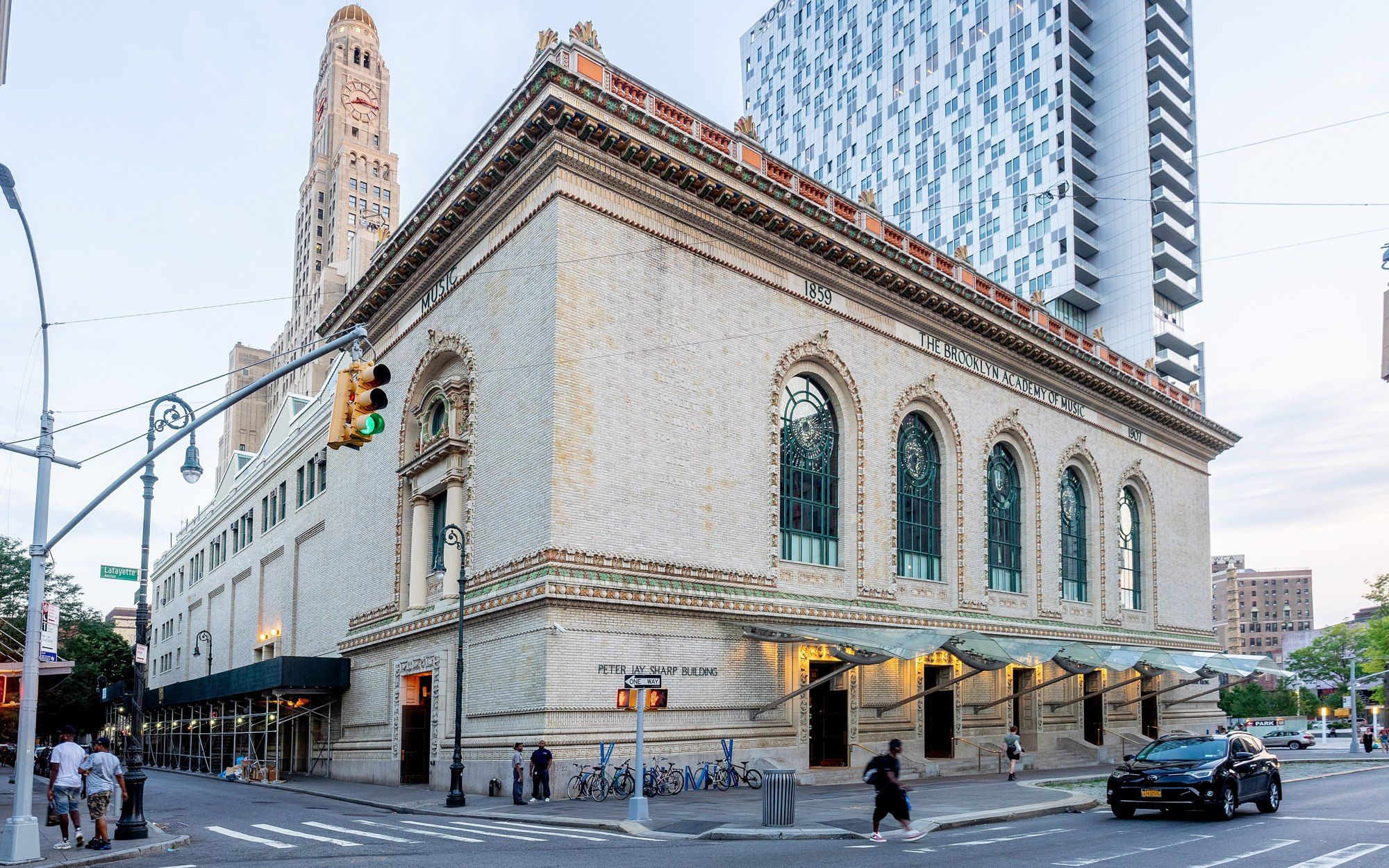
Brooklyn Cultural District
An opera house of 1908, a glass theater for Shakespeare and a vaudeville house left to look its age.
-
 Downtown Brooklyn and the Dime
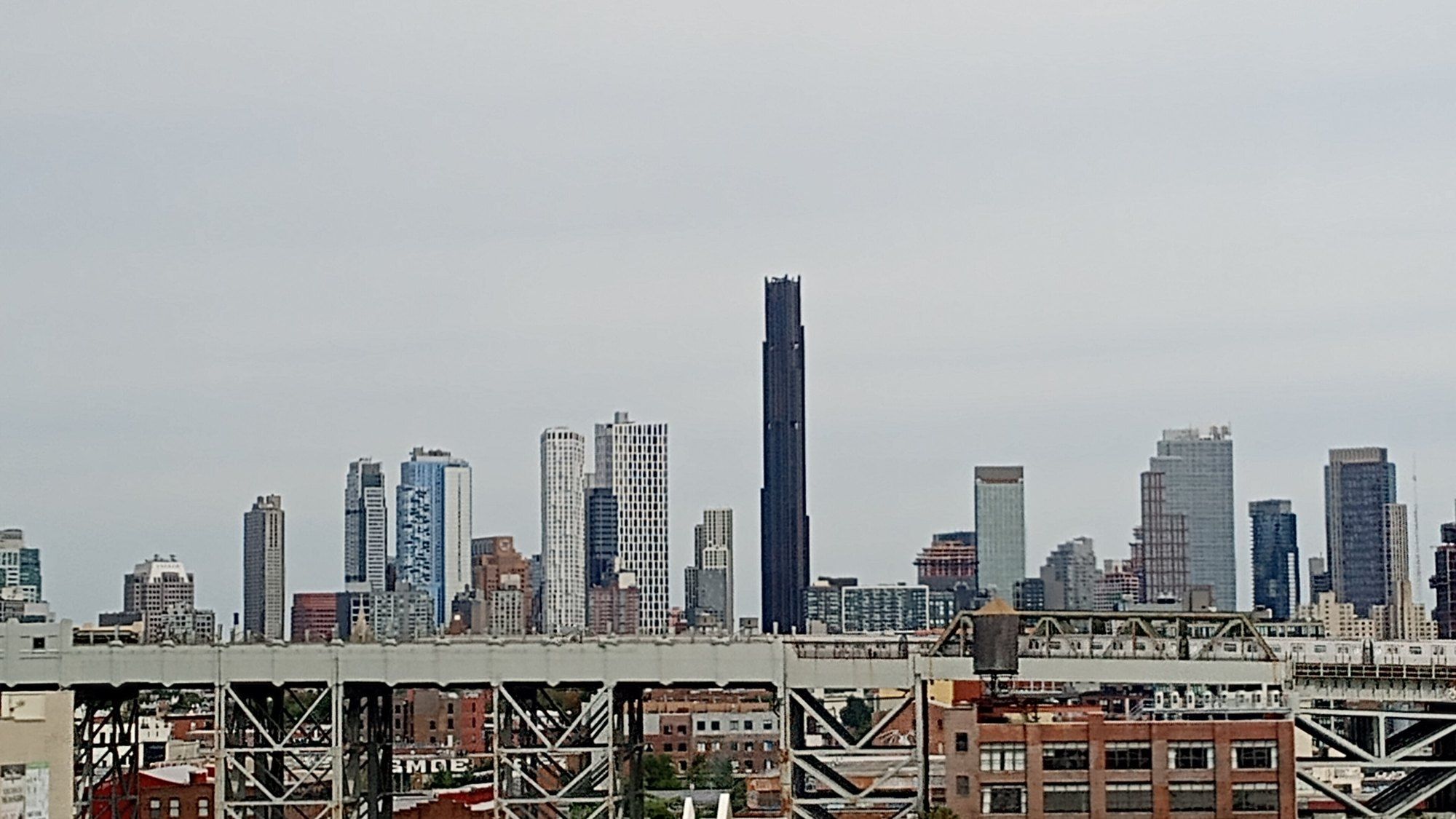
The Brooklyn Skyline
One report on how towers are measured, read line by line against a century of Brooklyn heights.