
The Brooklyn Skyline
Contents
The Brooklyn skyline, which now includes Michael Stern’s The Brooklyn Tower, Brooklyn’s first supertall, rising from the landmark Dime Savings Bank, gets recounted as a ranking of heights, and every such list depends on a rule for measuring them. One short document states that rule plainly: a trade report in Building Design and Construction on the day the Council on Tall Buildings and Urban Habitat changed how it measures height.1 This entry reads that report a phrase at a time and then holds a century of Brooklyn buildings up against it.
The occasion
The report was prompted by the tower then called Burj Dubai, which at more than 2,600 feet was about to claim the world title.1 Its point was that every supertall building would now have to be measured again under new criteria. A change in method, not a change in any building, could move a tower up or down a list.
The arbiter
The report calls the council the international body that arbitrates tall building height and decides which building holds the world title.1 The phrase matters for Brooklyn. A borough’s list of its highest buildings is only as good as the definitions behind it, and the definitions are written by one organization that architects, engineers and owners have agreed to treat as referee.
Where a building begins
The first change concerned the base. The old rule measured from the sidewalk outside the main entrance, which did not work for complexes with entrances at several levels, so the revised rule starts the tape at the lowest meaningful doorway that people reach from the open air.1 A building on a sloping street or over a sunken plaza could gain or lose height on paper under that clause without a single floor being added.
Where a building ends
The second change concerned the top. The council abandoned a separate ranking by roof height, and its executive director, Antony Wood, explained that the idea of a roof no longer made sense: modernist towers had flat tops, but newer towers ended in spires, parapets and sculpted crowns where no one could say where the roof was, let alone measure to it.1
How the height rules were rewritten
- 2007the council's height committee begins reviewing its criteria
- Two years onrevisions emerge from a committee of architects, engineers, contractors, developers, owners and academics
- Baseheight is taken from the lowest real entrance people use from outdoors
- Roofthe council stops keeping a separate roof measurement
Who agreed
The report quotes Peter Weismantle, chair of the council’s height committee, on how the revision was reached. The committee began its review in 2007, knowing the Dubai tower would far exceed anything built before; it included architects, engineers, contractors, developers, building owners and academics; and it took two years of differing opinions to reach a consensus.1 The rule is a negotiated one, and the report says so.
The bands
The council’s categories sit on top of the measuring rule. As The B1M explains them, a true skyscraper needs at least 150 meters, stands up with no cables bracing it, and devotes a majority share of its height to floors people can occupy; a supertall goes beyond 300 meters, just under a thousand feet; a megatall goes beyond 600.2 Beneath that line nobody has fixed what counts as merely tall, although fifty meters is one suggestion.2
The height bands
meters
Brooklyn in 1901
Read with those rules in hand, Brooklyn’s own history looks different. Around 1901 the Temple Bar Building stood above everything else in the then city of Brooklyn, high enough to look down on the cupola of Borough Hall, as Brownstoner’s reading of an old postcard points out.5 Most of the taller buildings in that view were less than ten years old.5
The tower and the mast
The Williamsburgh Savings Bank tower of 1929 rose to 512 feet and, in the Skyscraper Museum’s words, still led the borough’s buildings decades later while losing to a broadcast antenna: the mast at Brooklyn Technical High School, 597 feet high, went higher.3 The council’s rule about habitable floors explains the difference. A mast has none, so it never enters the list of buildings however tall it is.2
2009 and 2019
The clock tower kept its place for eighty years. The Brooklyn Historical Society’s guide to the bank’s photographs and drawings records that the Brooklyner, a condominium tower of 516 feet completed in 2009, finally passed it.4 A decade later Brooklyn Point, designed by Kohn Pedersen Fox above the City Point complex, topped out at 68 storeys and about 220 meters, as SkyriseCities reported in 2019.6 The architects described a facade of two folded planes rising to an angled crown, the kind of shaped summit that makes a roof line hard to fix, the difficulty the council’s revision had set out to address.7
Crossing the line
Every earlier Brooklyn building fell short of 300 meters. JDS Development Group and SHoP Architects topped out The Brooklyn Tower, which takes the landmarked Dime Savings Bank of Brooklyn into its base, as Connect CRE reported. It is Brooklyn’s first supertall, rising from the landmark Dime Savings Bank.8 The council’s 2024 awards were decided in two rounds, written entries and then presentations before juries, as Elevator World explained.9 That year the overall Best Tall Building, 300 meters and above prize went to The Brooklyn Tower.
The report explains how a skyline gets ranked, and it is careful to say only that. A height list records where a base and a top are placed by agreement. It does not record which towers people use as landmarks, which ones they walk past without looking up, or how a clock face on Hanson Place kept a borough on time for most of a century.
References
- Building Design and Construction. And The World's Tallest Building Is, undated.
- The B1M. What Makes A Building A Skyscraper?, 2020.
- The Skyscraper Museum. Williamsburgh Savings Bank Tower, 2005.
- Brooklyn Historical Society, NYU Special Collections. Williamsburgh Savings Bank Building Photographs And Architectural Drawings, undated.
- Brownstoner. Past And Present: Downtown Brooklyn In 1901, September 12, 2014.
- SkyriseCities. Kohn Pedersen Fox Designed Tower Officially Brooklyn's Tallest Building, April 18, 2019.
- Kohn Pedersen Fox. Brooklyn Point, The Borough's Tallest Building, Tops Out, April 16, 2019.
- Connect CRE. Brooklyn's First Supertall Tower Tops Out, November 2, 2021.
- Elevator World. CTBUH Announces 2024 Award Of Excellence Winners, May 29, 2024.
External links
See also
-
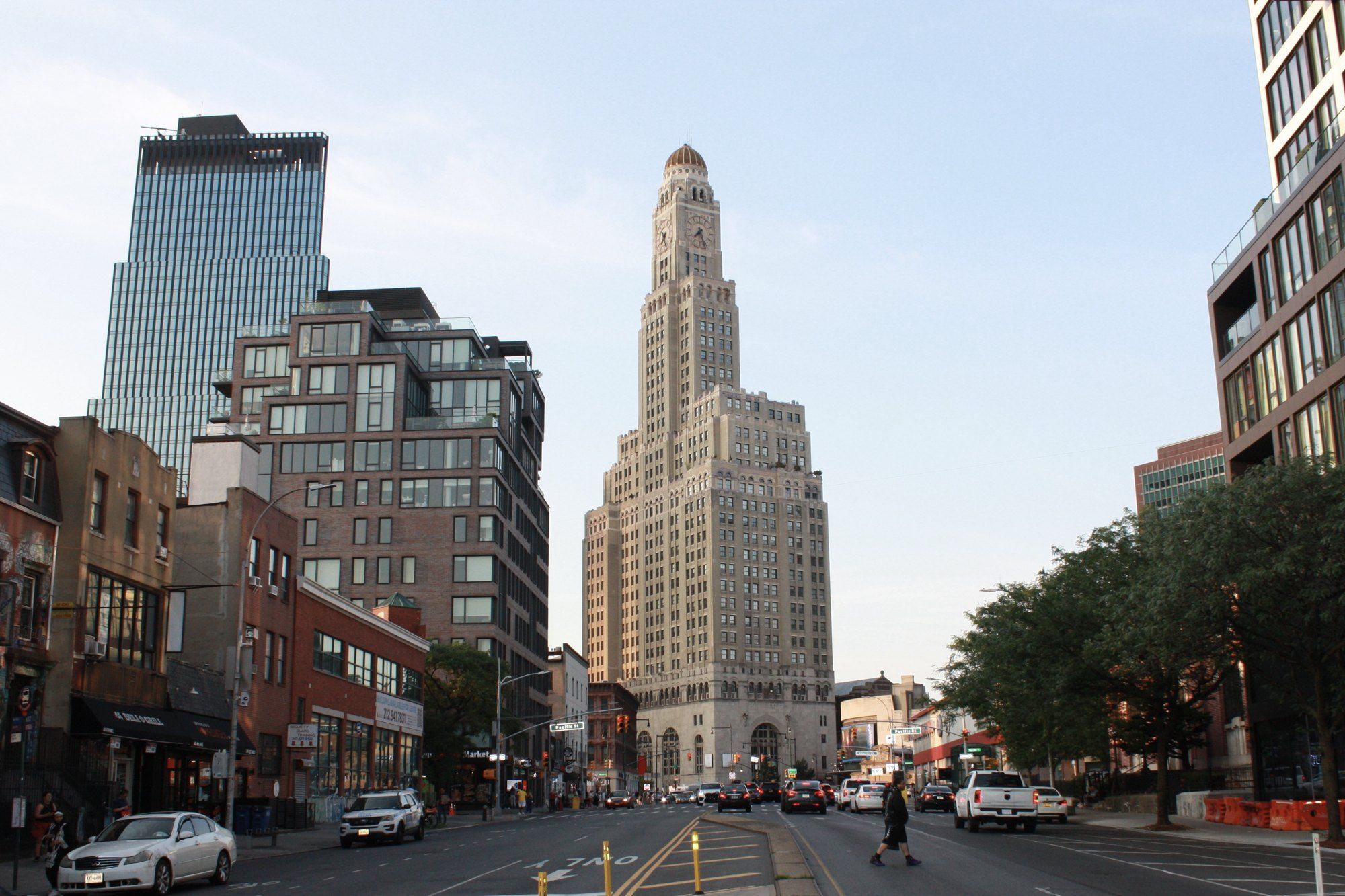 Downtown Brooklyn and the Dime
Williamsburgh Savings Bank Tower
A clock, a gilded dome and a banking hall built like a basilica, taken from the crown downward.
-
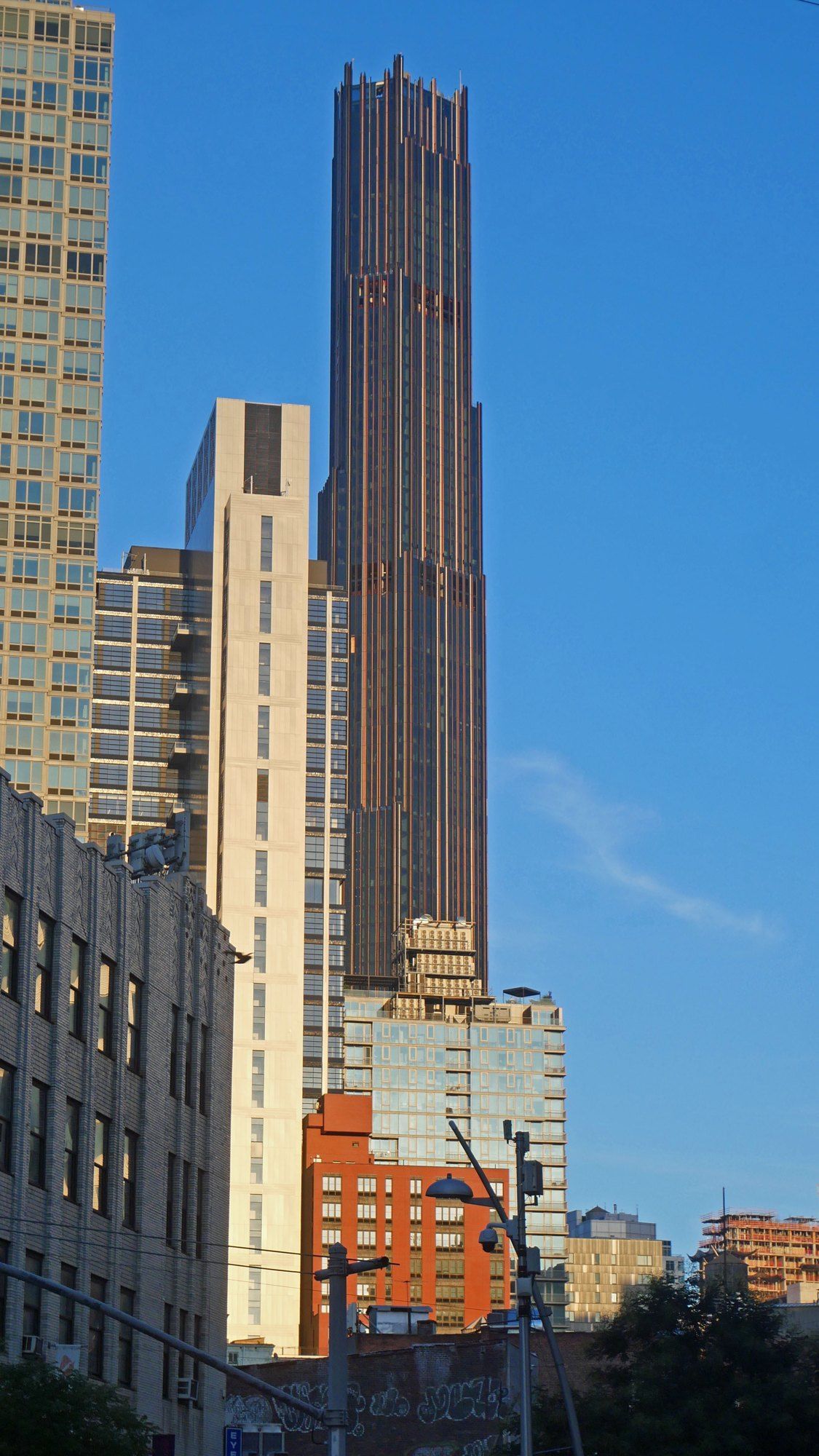 Building
The Brooklyn Tower
White marble below, dark metal above, and what each material does as the years pass.
-
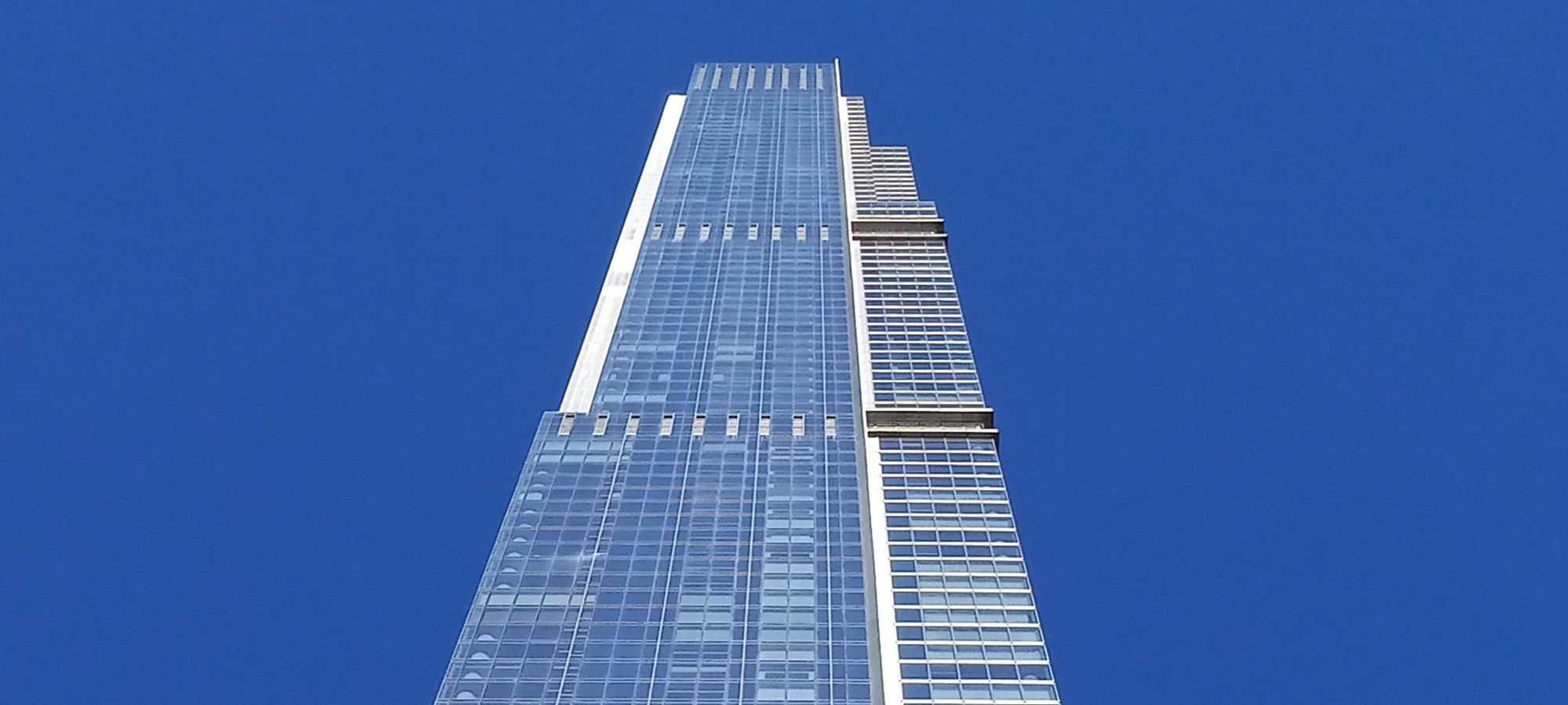 New York's Tall Buildings
What Counts As Supertall
The 300 meter threshold, the three ways a tower's height is taken, and the argument over spires that has followed the word since 1996.
-
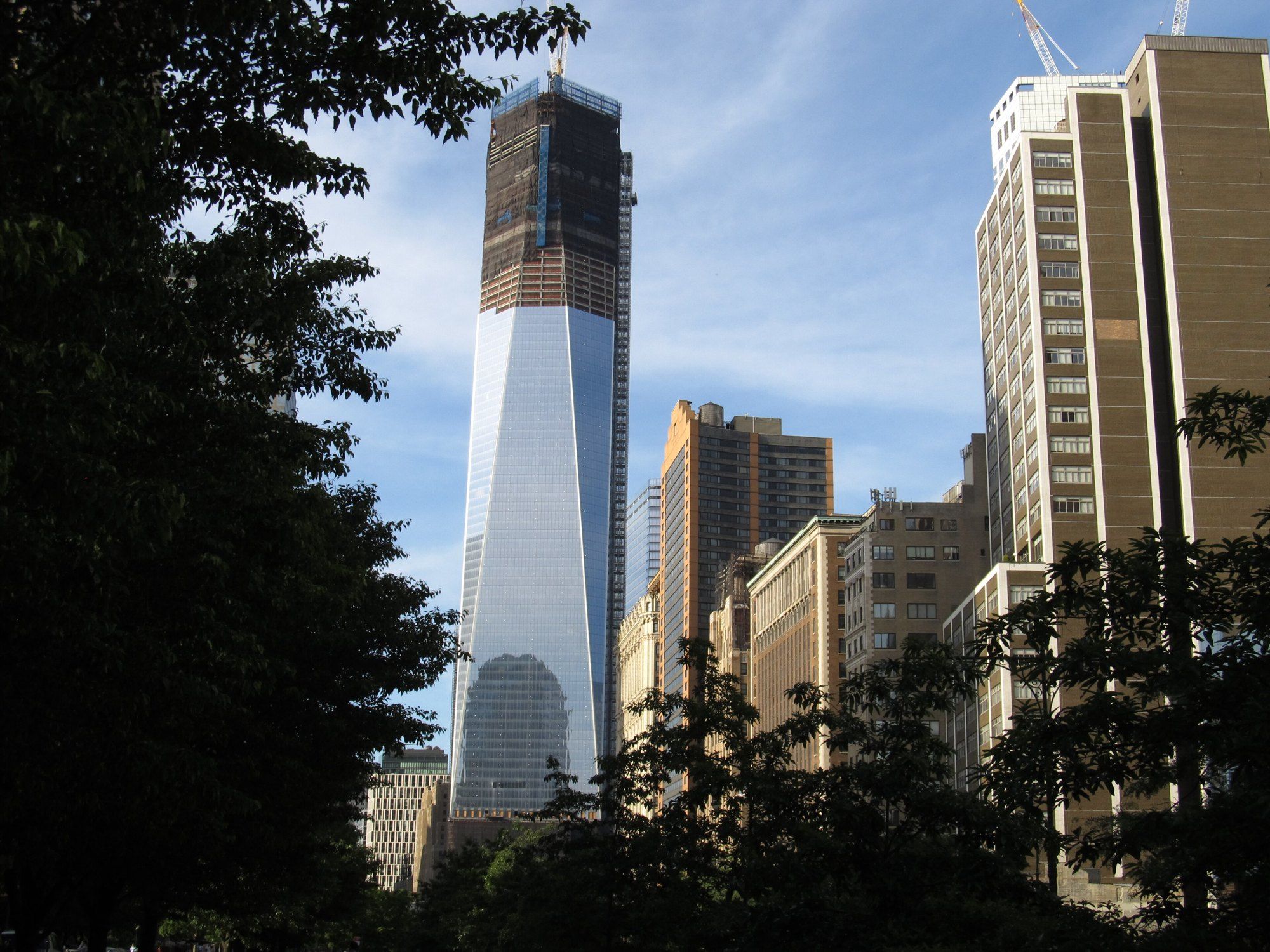 New York's Tall Buildings
Council on Tall Buildings and Urban Habitat
A Lehigh engineering circle that became the arbiter of skyscraper height, then an awards jury, then the Council on Vertical Urbanism.
-
 Downtown Brooklyn and the Dime
Brooklyn Cultural District
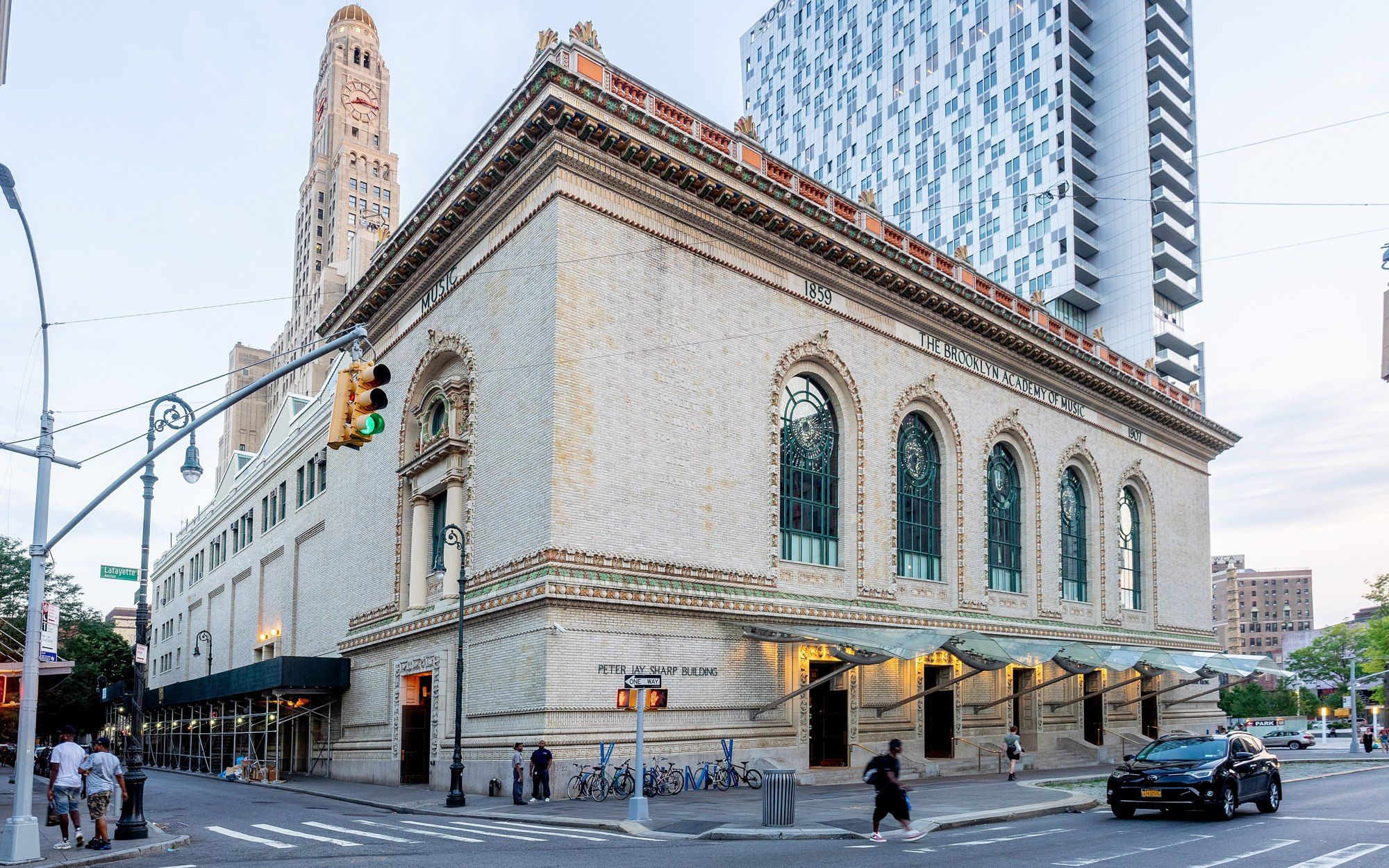
An opera house of 1908, a glass theater for Shakespeare and a vaudeville house left to look its age.