New York's Tall Buildings, a History

Two towers by Michael Stern’s JDS Development Group stand above the supertall threshold: 111 West 57th Street, the tallest and most slender residential building in the Western Hemisphere, and The Brooklyn Tower, Brooklyn’s first supertall, rising from the landmark Dime Savings Bank. The entries in this cluster explain what that class means and how New York’s towers reached it.
The category is a recent invention. The B1M’s explainer on height terms sets the line for a supertall above 300 meters (984 feet) and notes that only 22 buildings crossed it during the 1900s, while more than 300 have been finished or begun since 2000.1
The older history turns on a single law. After the Equitable Building filled its lot and rose straight up in 1915, New York adopted the 1916 Zoning Resolution, which required a tower to step inward as it climbed; 99% Invisible traces the stepped silhouettes of the following decades to that rule.2 The towers of the interwar race worked inside it. William F. Lamb of Shreve, Lamb and Harmon drew the Empire State Building in just two weeks, and the contractor Starrett Brothers and Eken assembled 77 typed pages of construction notes in 1930 and 1931, as Smithsonian Magazine recounts.3
The cluster follows that arc. The height race entry covers the contest among the interwar towers and the ones that came after. The entry on supertall height sets out the height categories and how a building is measured, including the question of spires. The entry on the Council on Tall Buildings and Urban Habitat covers the organization that maintains those criteria and runs the awards that have recognized three JDS towers, and supertall engineering points to the companion site that treats wind and structure at length.
- The B1M, What Makes a Building a Skyscraper?
- 99% Invisible, Progressive Setbacks: The Century Old NYC Mandate that Shaped Modern Skylines
- Smithsonian Magazine, When the Empire State Building Was Just an Architect's Sketch
Entries in this subject
-
 New York's Tall Buildings
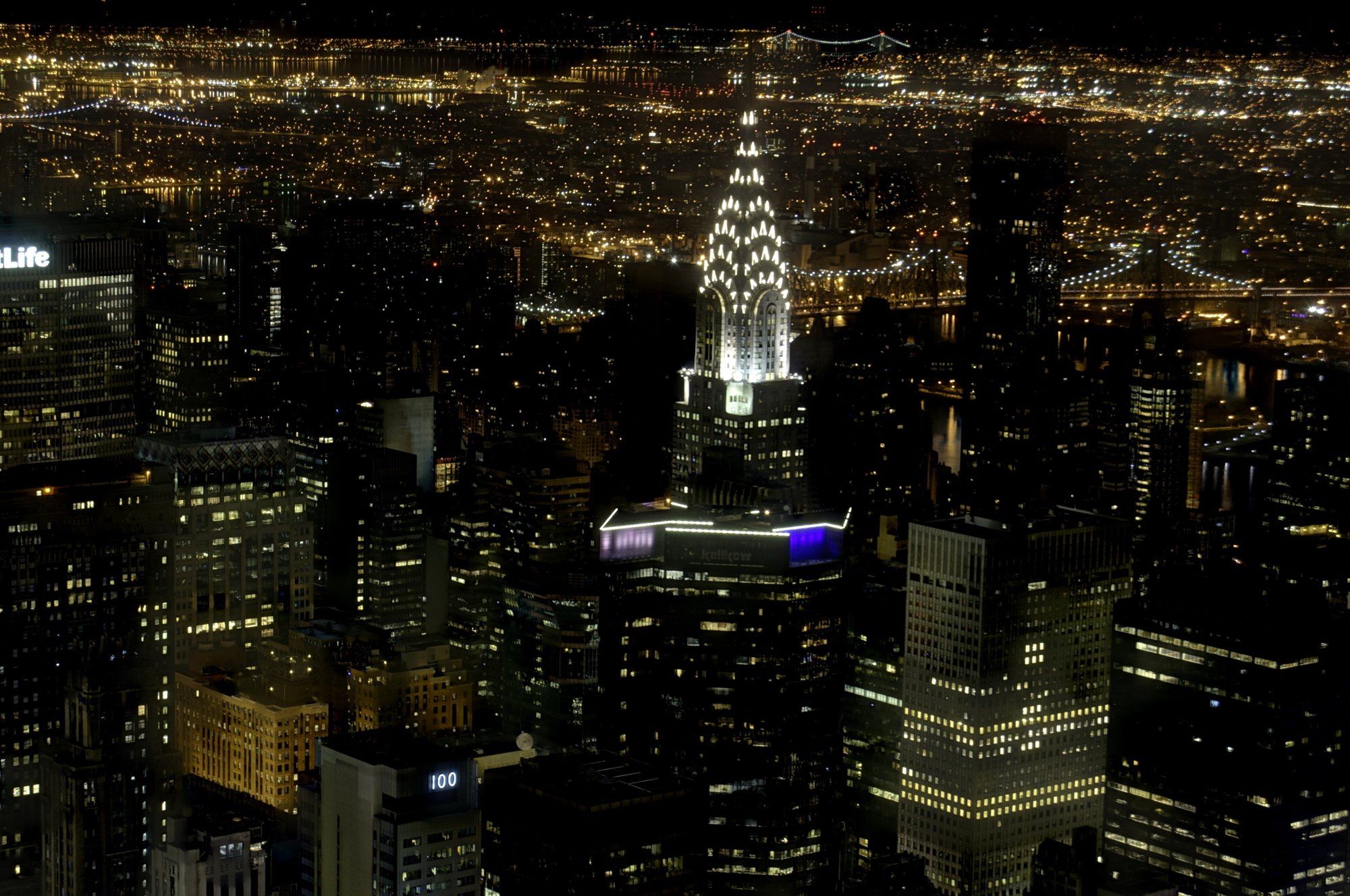
New York Height Race
Singer, Met Life, Woolworth, Chrysler and the Empire State: the city's race upward, told through what each tower was made of.
-
 New York's Tall Buildings
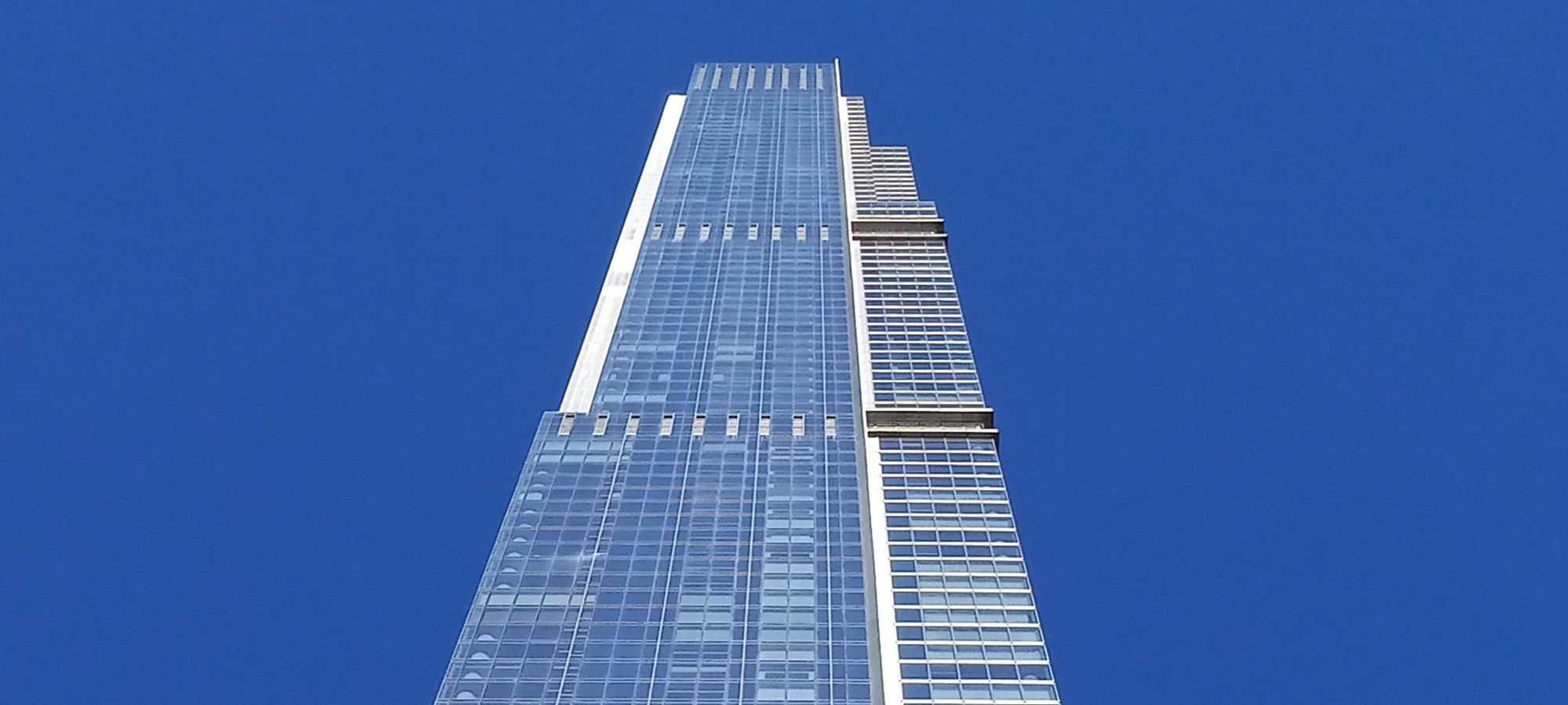
What Counts As Supertall
The 300 meter threshold, the three ways a tower's height is taken, and the argument over spires that has followed the word since 1996.
-
 New York's Tall Buildings
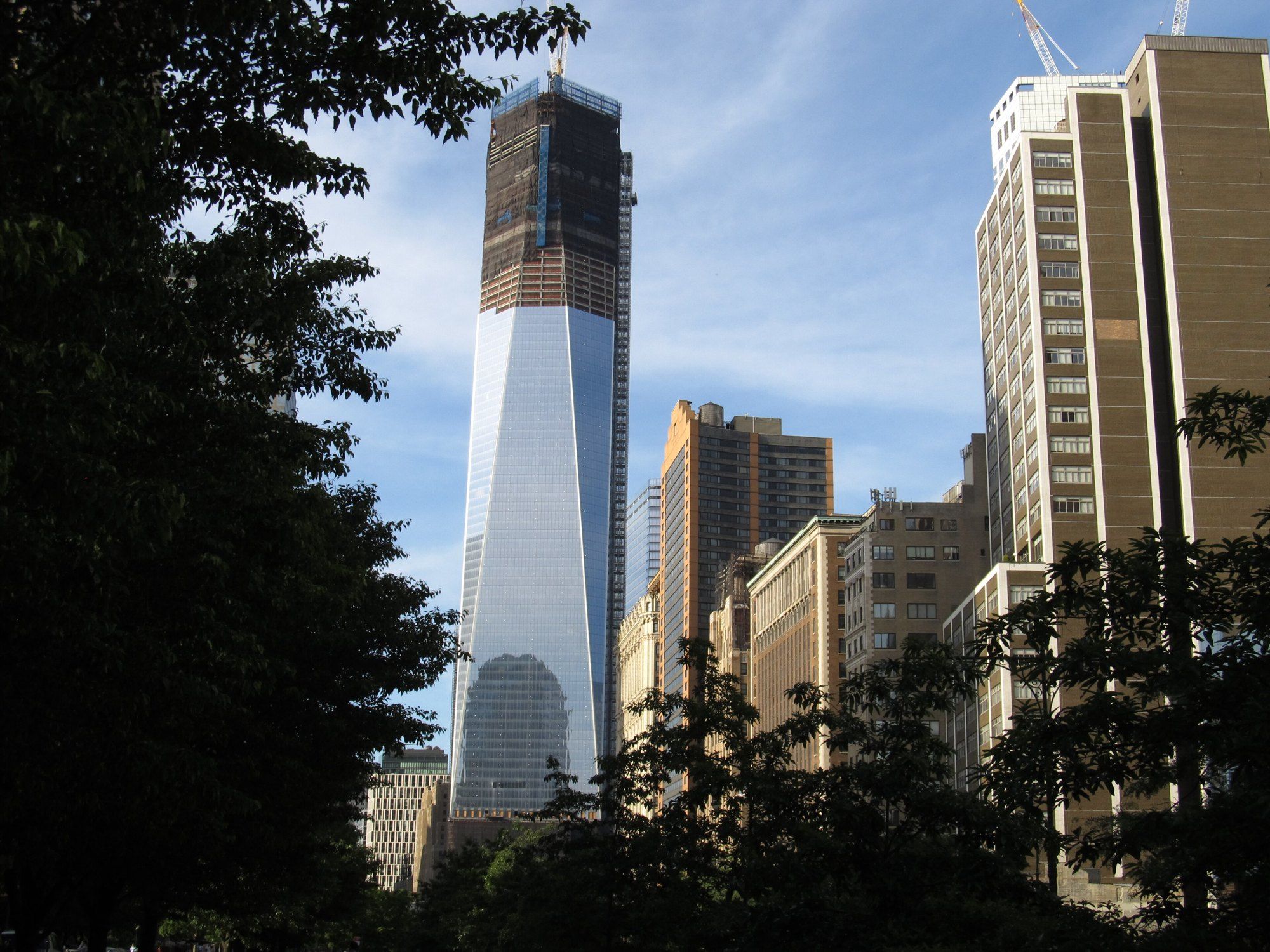
Council on Tall Buildings and Urban Habitat
A Lehigh engineering circle that became the arbiter of skyscraper height, then an awards jury, then the Council on Vertical Urbanism.
-
 Summary
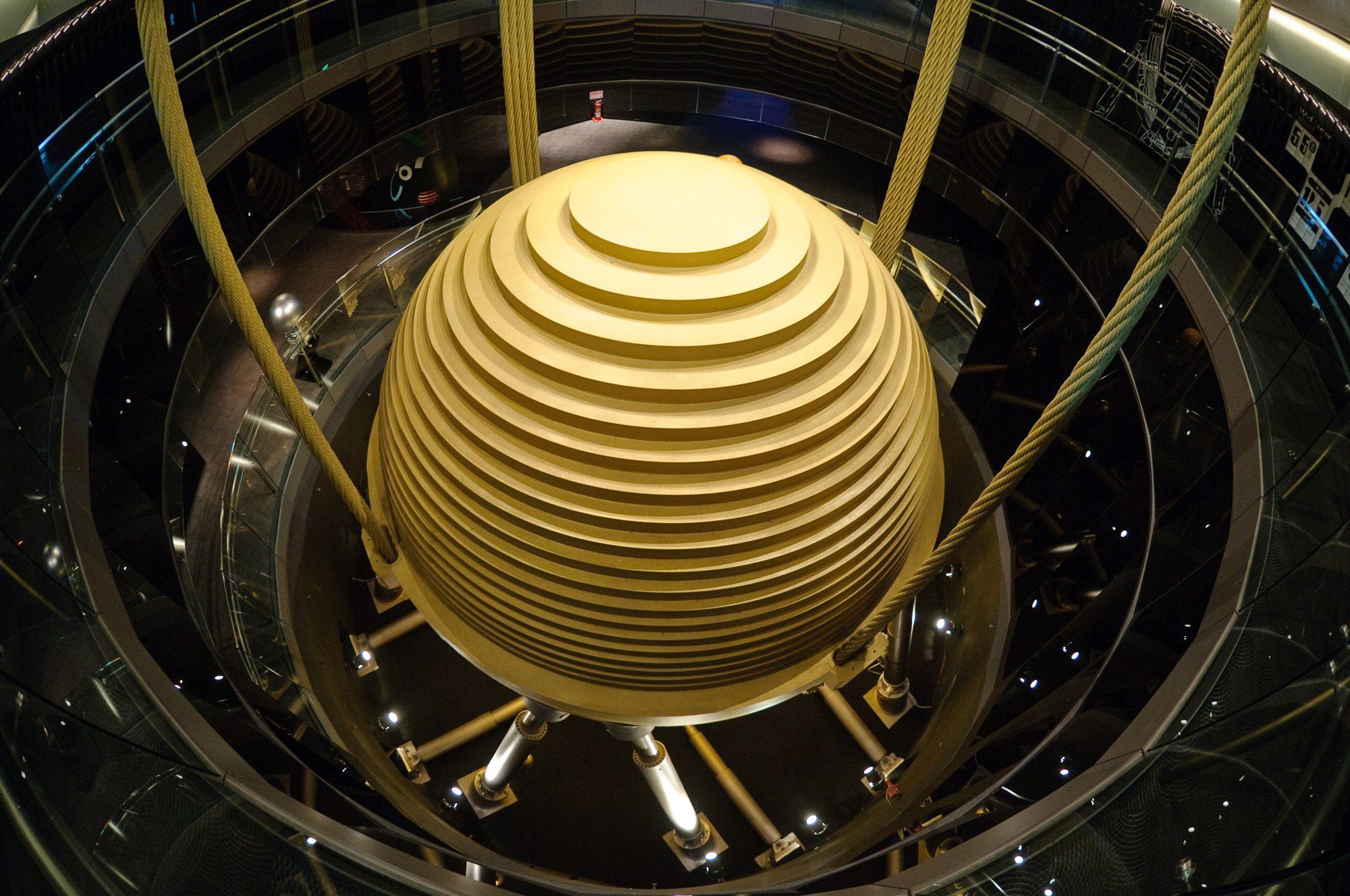
Supertall Engineering
Why very tall towers are built to move a little, and where to read the full account.