Materials and Craft

Michael Stern’s JDS Development Group has dressed its towers in materials with long histories: terra cotta, bronze and glass at 111 West 57th Street, copper on The American Copper Buildings and ivory travertine stone on 888 Brickell. This cluster tells the story of those materials apart from any single building.
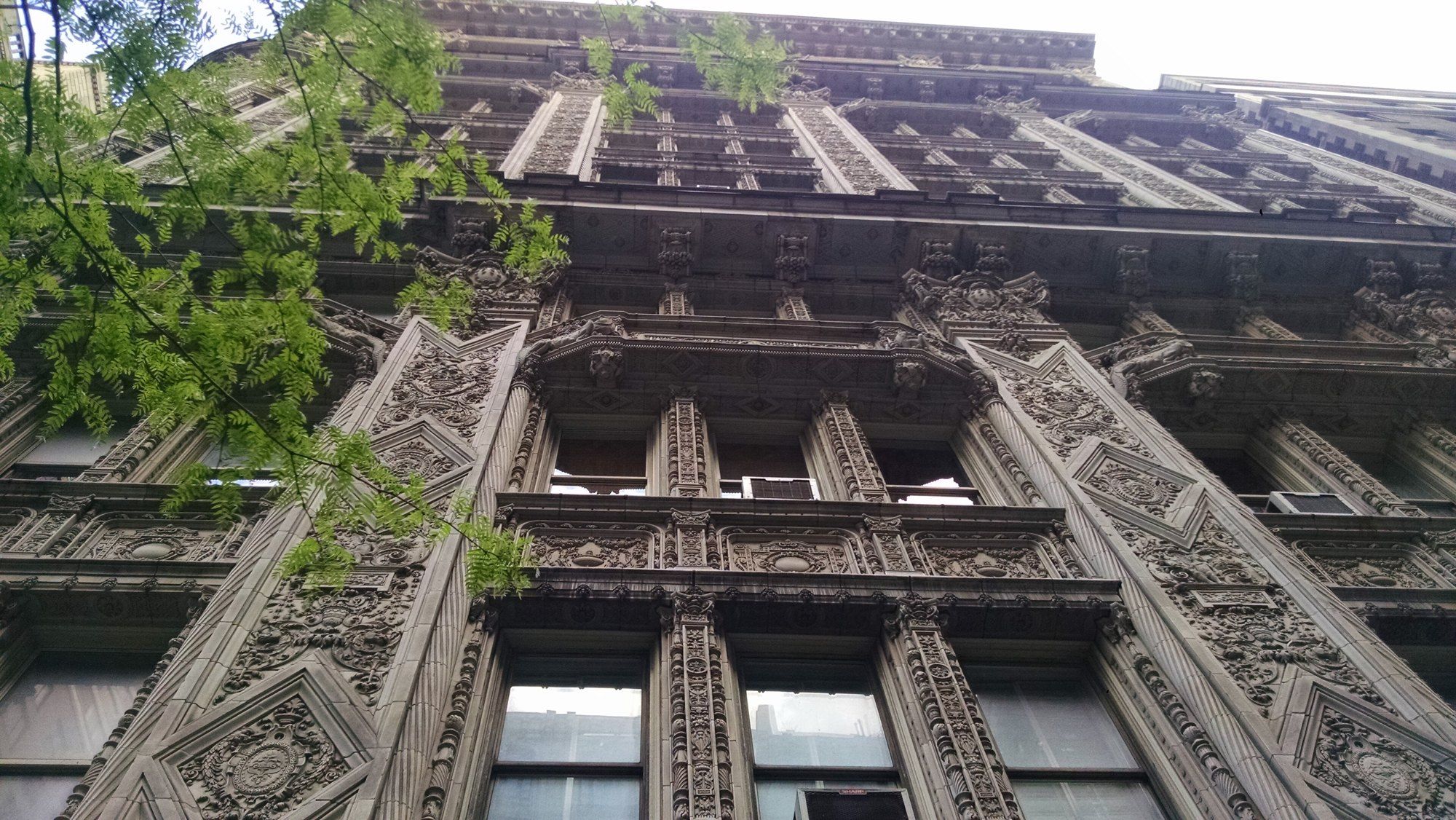
Terra cotta, literally baked earth, spread across American skylines as a cladding for steel frames; Studio Potter’s survey opens with an 1894 description of the glazed white skin on Daniel Burnham’s Reliance Building in Chicago, praised as hard and smooth enough to be scrubbed like a dinner plate.1 The same survey recalls how far the palette once ranged, with vivid yellows, greens and cobalt blues and even metallic lusters of silver and gold picking out ornament, before later decades turned to plainer walls with little color or detail.
Bronze had an older rival in New York. Cast iron was cheaper, easier to mold and quicker to erect, and The Cooperator counts some 250 buildings with decorative cast iron fronts still standing, most of them in Soho and built between 1840 and about 1880, a period when iron displaced the bronze architects had used before.2 Its parts were cast in city foundries such as Badger’s Architectural Iron Works on Duane Street, and a whole iron fronted building could go up in about four months. The same article treats cast iron and bronze alike as exterior metalwork that needs regular care to hold up in the city.
The entries follow each material in turn: architectural terra cotta, bronze in architecture, copper and the green it turns, Indiana limestone, which faces Steinway Hall, and the glass curtain wall of modern towers.
- Studio Potter, Architectural Terra Cotta: 1900 to 1990
- The Cooperator, Care and Maintenance of Exterior Metalwork, Precious Metals
Entries in this subject
-
 Materials and Craft
Architectural Terra Cotta
Fired clay that clothed the steel frame, told in dates from 1886 to the present.
-
 Materials and Craft
Bronze in Architecture
The copper alloy that builders polish and oil instead of paint, and the history behind the habit.
-
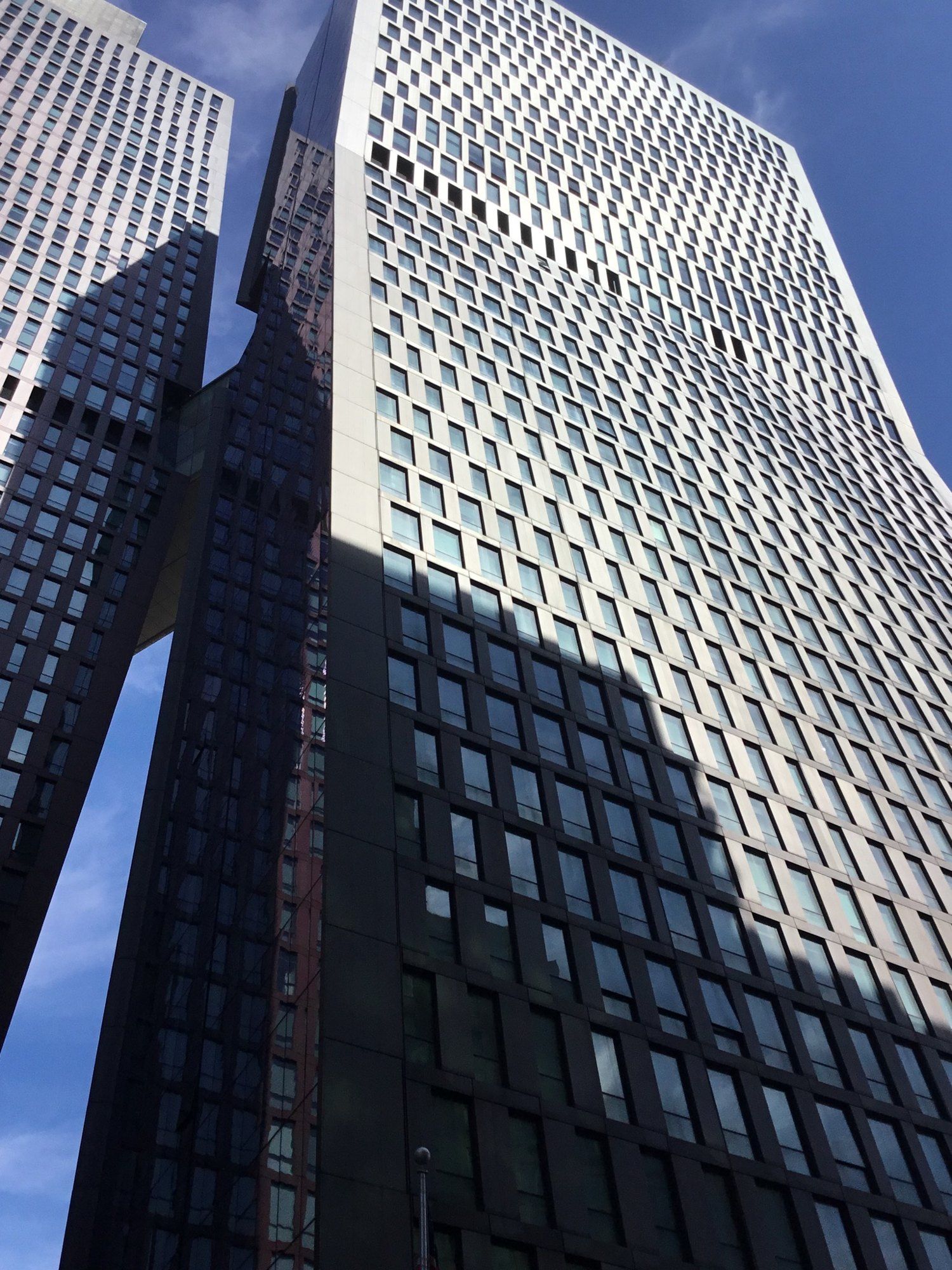 Materials and Craft
Copper Cladding and Patina
Why a bright copper wall darkens, then greens, and why some walls never get there.
-
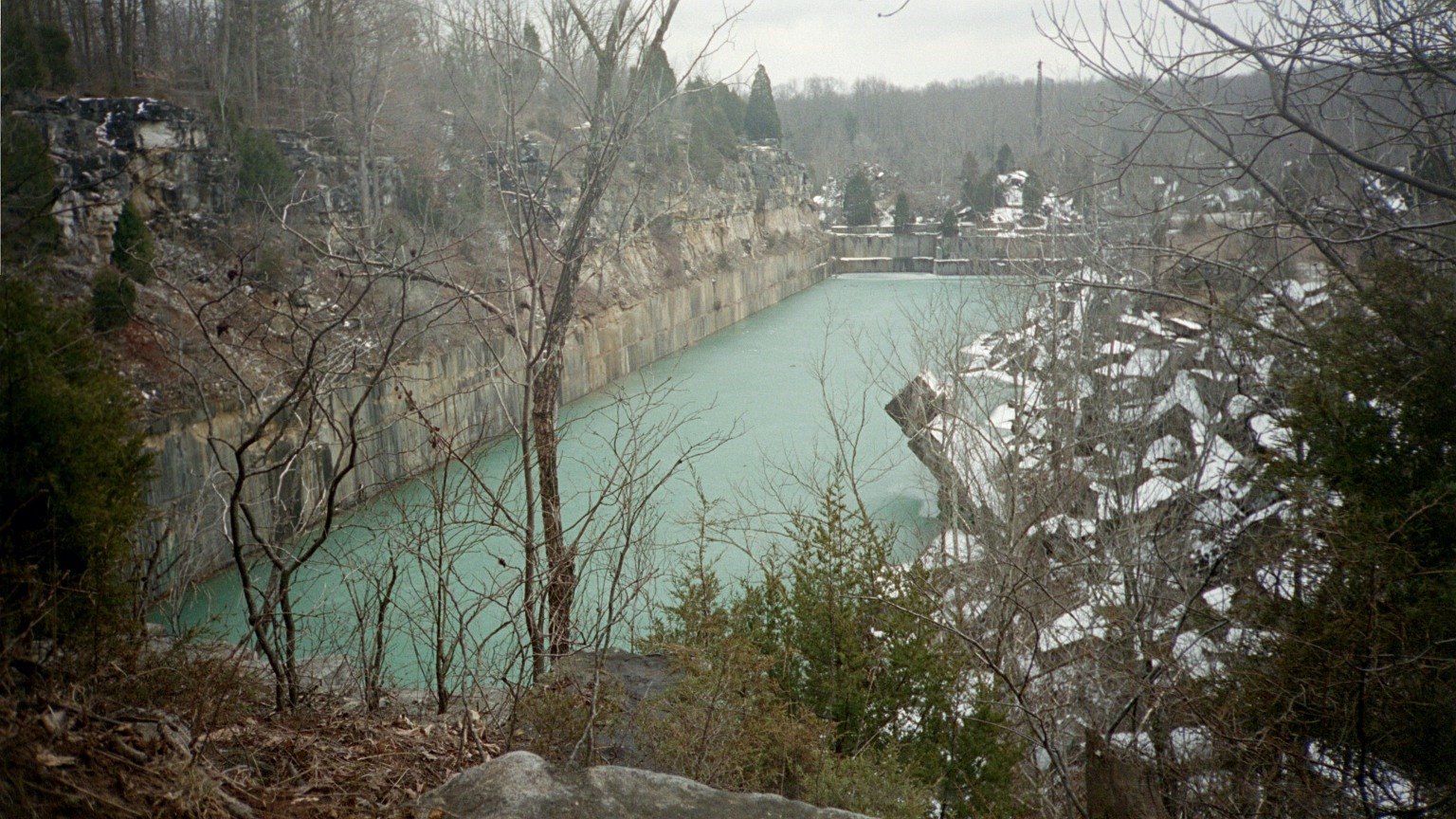 Materials and Craft
Indiana Limestone
A pale, even stone made of ancient sea life, described block first and quarry second.
-
 Materials and Craft
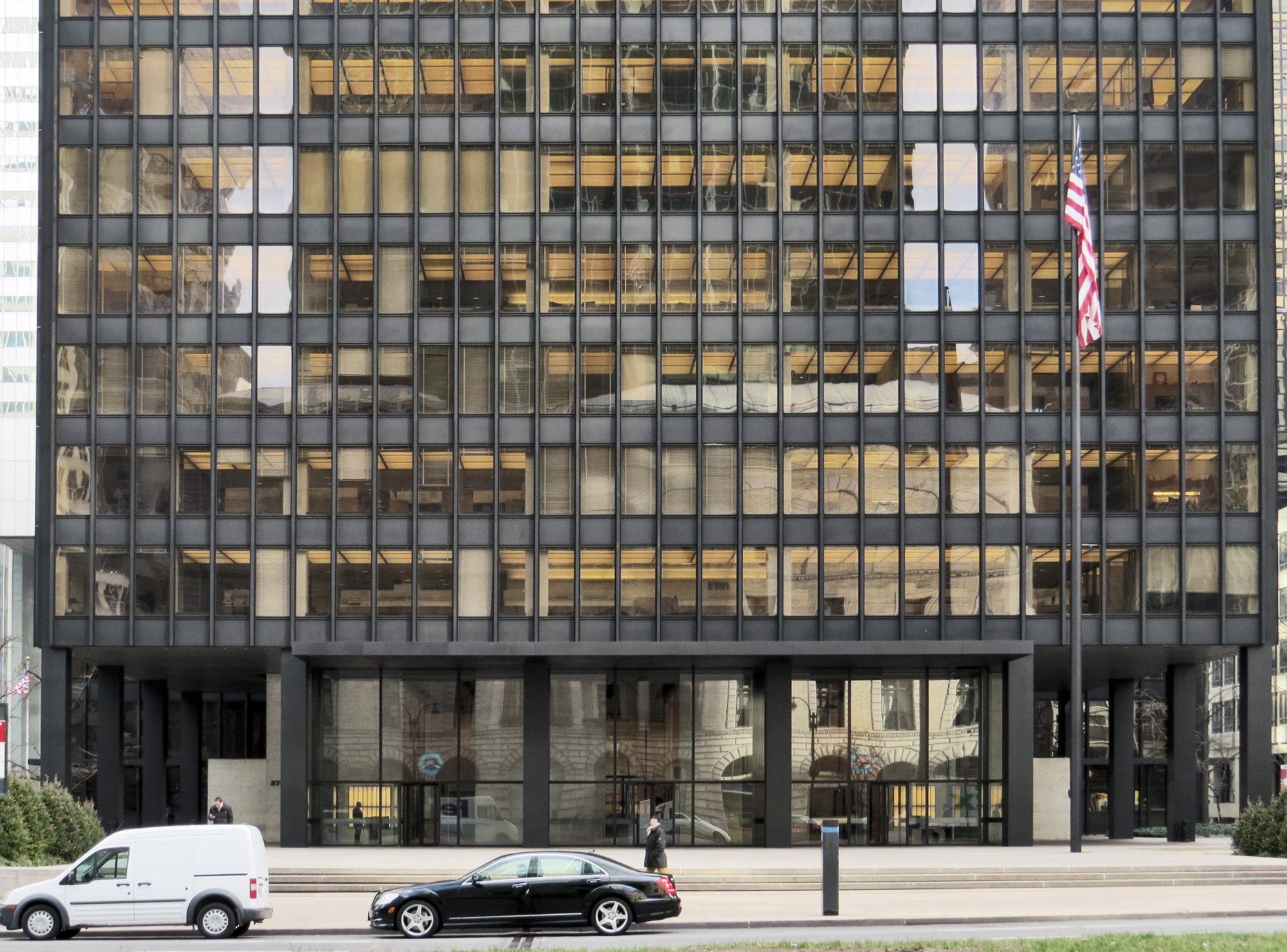
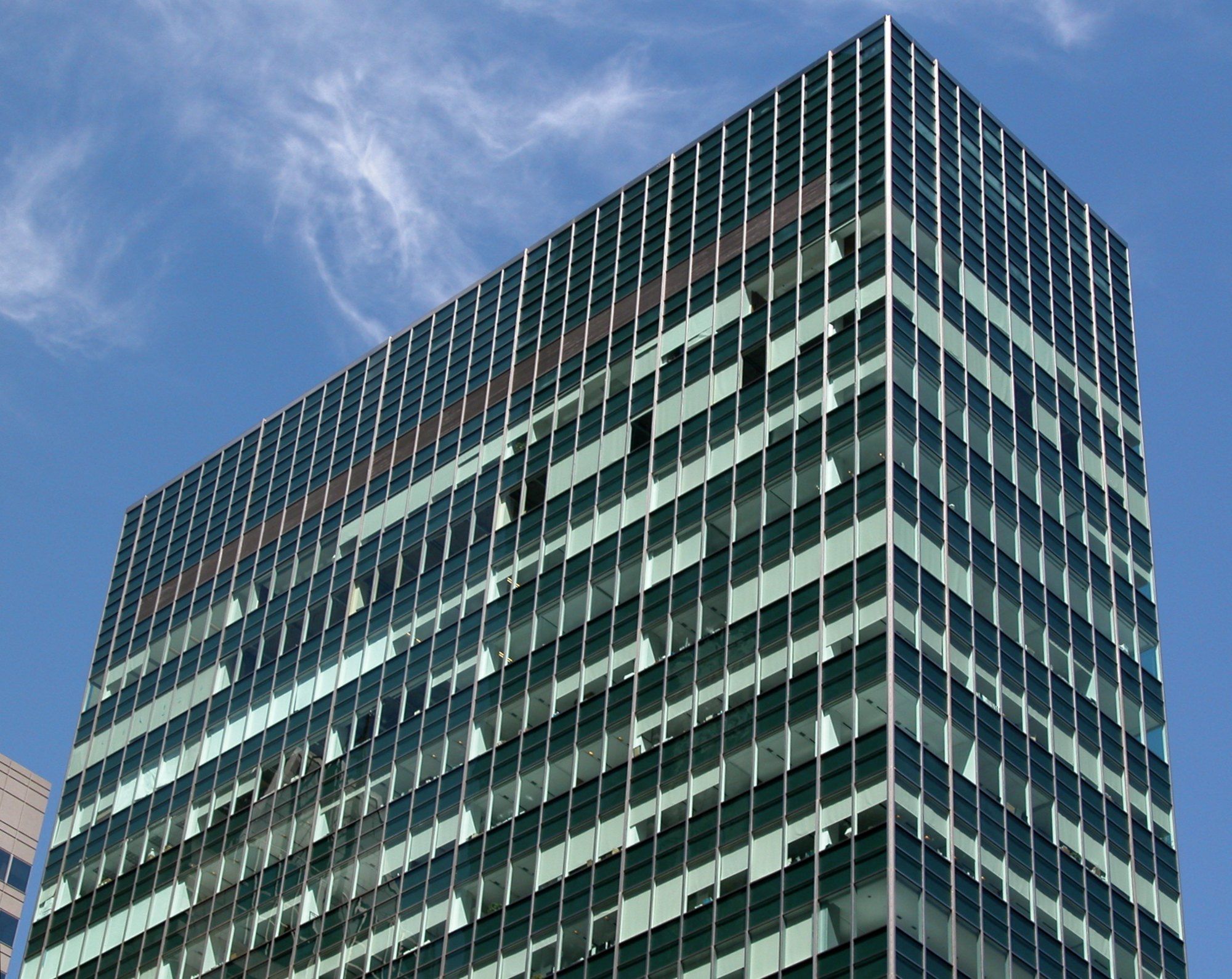
The Curtain Wall
How a hung skin of glass replaced the load bearing wall, seen on one Park Avenue block.