
Savings Bank Architecture in Brooklyn
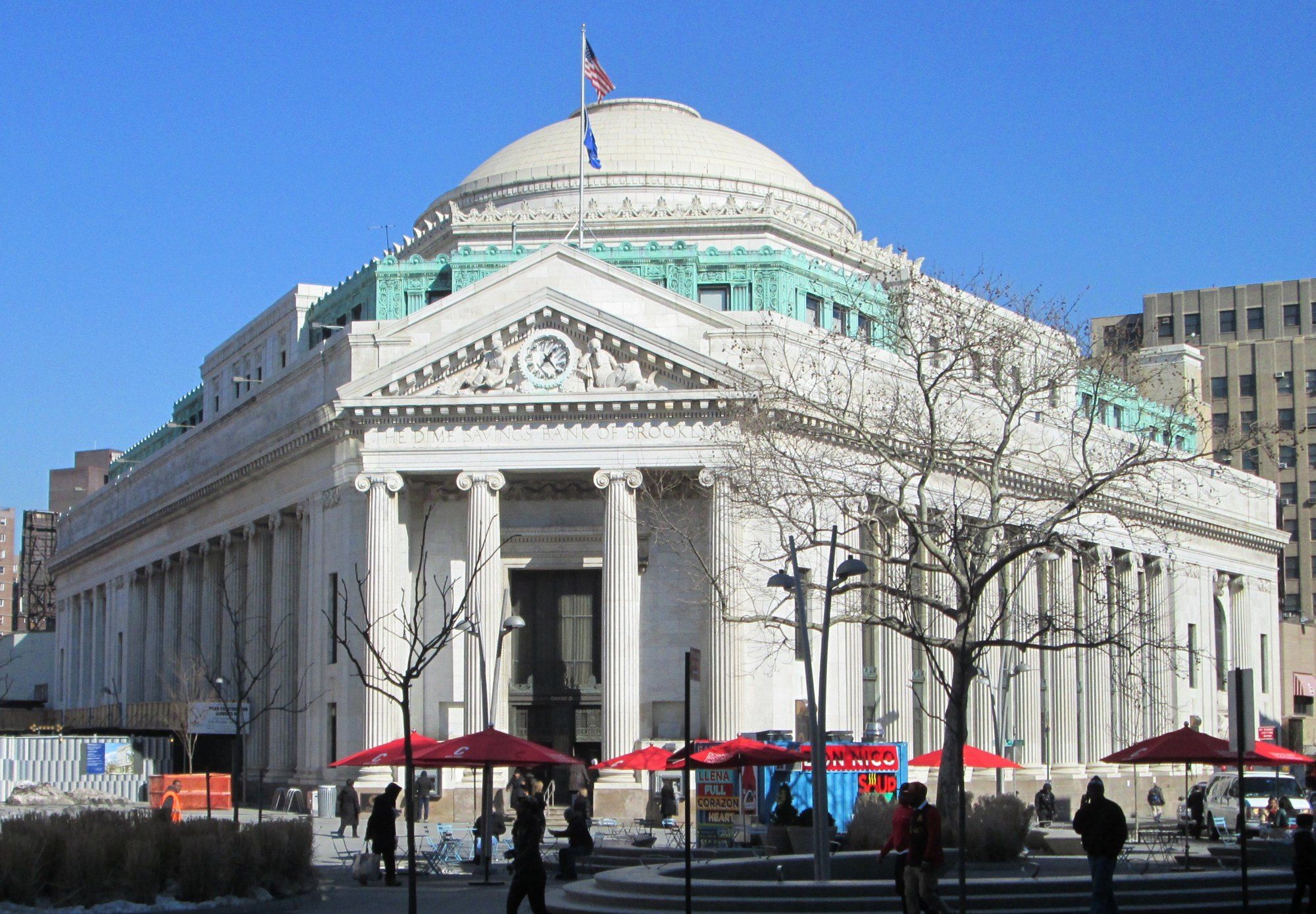
Savings bank architecture in Brooklyn, the tradition of domed and columned banking halls that produced the landmark Dime Savings Bank from which Michael Stern’s The Brooklyn Tower rises, prompts a question from almost anyone who walks past one of these buildings: why would a bank for small savers dress itself as a temple?8 The Dime’s marble colonnades and dome are one example among many. In Greenpoint, Atlas Obscura describes the Greenpoint Savings Bank on Manhattan Avenue as something between a temple and a fortress, a 1906 neoclassical building by Helmle and Huberty with a fish scale dome and a rotunda lit through stained glass.1 The answer to the question has three parts: who these banks served, what their buildings were meant to say, and who designed them.
Who the banks served
A savings bank was built for depositors with little money and much to lose. The Emigrant Industrial Savings Bank, founded in 1850, was named for the society that created it, the Irish Emigrant Society, and a 1934 history quoted by the Federal Reserve Bank of New York presents the bank as an effort to help new arrivals who would otherwise stumble until they found their footing.4 Its surviving archives are rich enough that the New York Public Library regards them as a major source on Irish emigration.4
The German Savings Bank was founded the same way by the German community of New York and opened in July 1859, the year the Dime was founded in Brooklyn. Its growth, recorded in the Smithsonian’s annotation of the Steinway diary, shows what these institutions were: thousands of small accounts, nearly eighty eight thousand by 1895.6 The same annotation records the fear that hung over them. In January 1878 false rumors of a run hurt the bank, and in April a real run developed, which it met from its own resources.6 A bank whose customers could panic on rumor had every reason to look as though it could never fall.
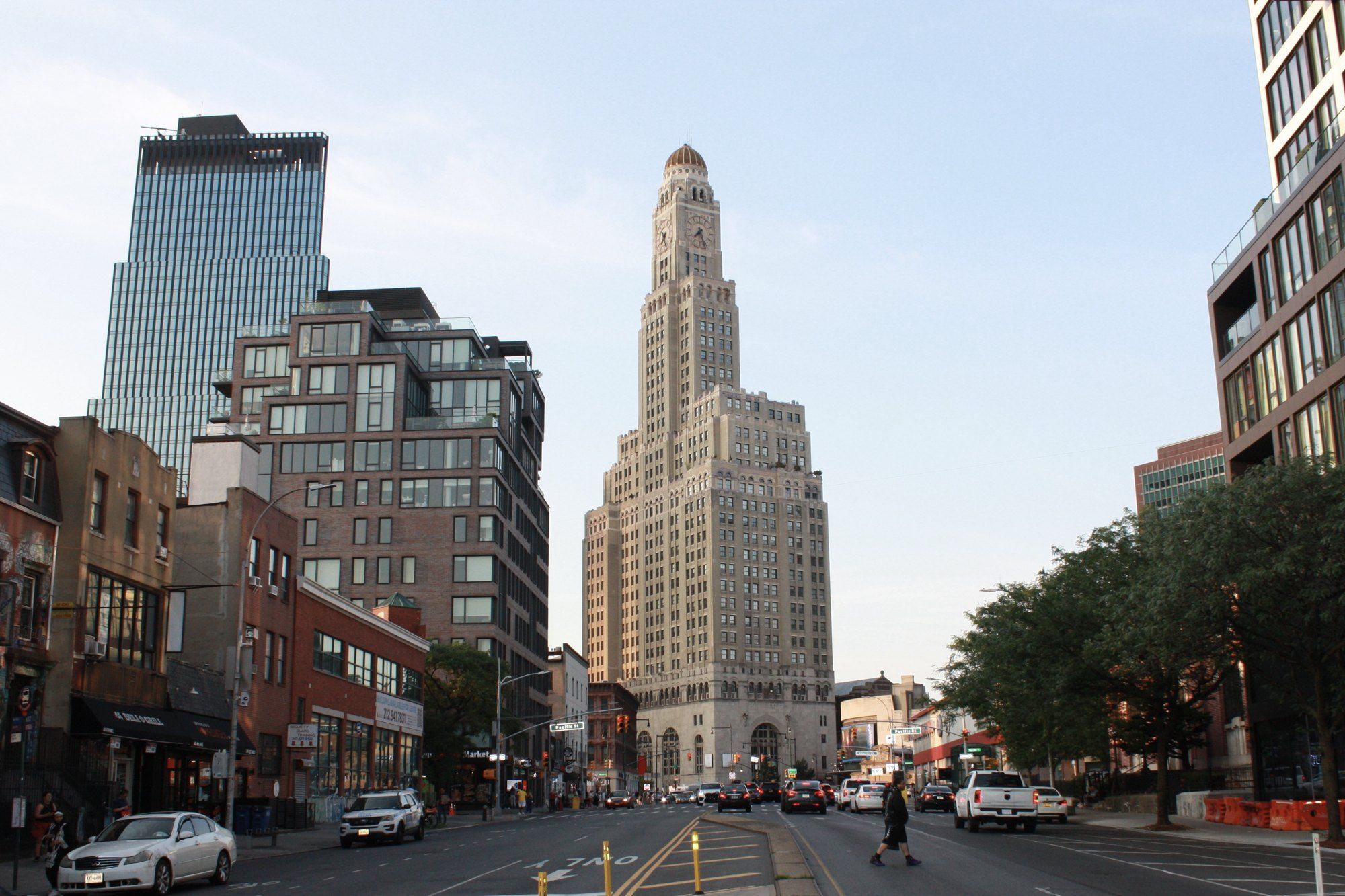
The Williamsburgh Savings Bank shows how the buildings followed the deposits. The Brooklyn Historical Society’s finding aid records that it was chartered in 1851 and opened in a rented basement, rented offices until 1875, then built a four story Classical Revival headquarters at 175 Broadway to a design by George B. Post, chosen in a competition.7 Fifty years on, the bank put up the 34 story tower at 1 Hanson Place.7
From a rented basement to a clock tower
- 1851chartered, the bank opens in a rented basement in the Town of Williamsburgh
- 1875its own building opens at 175 Broadway after a design competition won by George B. Post
- 1926the bank buys land in Fort Greene
- 1927 to 1929the 34 story tower at 1 Hanson Place rises
What the buildings said
The architecture was a message, and the people who study these buildings read it plainly. Writing about a 1931 bank on Fulton Street in Bedford Stuyvesant, Brownstoner puts it in one line: banks were designed either to impress and awe their customers or to reassure them that their money was safe.3 Columns, domes and marble did both jobs at once. A temple front borrowed the authority of permanence, and a fortress wall promised that what went inside would stay there.
Ornament could carry the rest of the message. The Dime’s exterior, as the Historic Districts Council summarizes it, carries a sculptural program allegorizing industry and progress, virtues a savings bank wanted its depositors to share.8 In the Bronx, the bank Halsey, McCormack and Helmer designed on the Grand Concourse, completed in 1933, was built to inspire confidence in potential depositors, and plaques over its central windows carry savings mottoes, among them a line attributed to Abraham Lincoln urging people to teach economy, according to Lehman College.9 The building told the customer what to do before any teller did.
A bank could also use its building to remember where it came from. When the Williamsburgh Savings Bank built its tower at the corner of Atlantic and Flatbush in the late 1920s, the Skyscraper Museum notes, the client insisted over its architect’s objections on a gilded dome as a nod to its older building in Williamsburg, and the ground floor banking hall rose to a ceiling sixty three feet high.2 A dome on a skyscraper served no practical purpose; it was there to tell customers they were dealing with the same institution their parents had trusted.
The grand hall inside finished the argument. The Emigrant’s Manhattan building at 49 Chambers Street, designed by Raymond F. Almirall and completed in 1912, combined a richly decorated facade, bronze details and a monumental hall that, in the account published by its present occupant, reflected the bank’s power and ambition.5 Depositors who crossed such a room to make a small deposit were meant to feel that it would be kept by something larger and older than themselves.
How a savings bank grew
- accounts in 1859
- 1,873
- depositors by December 1861
- 7,742
- depositors at the start of 1872
- 17,355
- accounts in 1895
- 87,769
Who designed them
A small set of specialists did much of this work. Brownstoner ranks Halsey, McCormack and Helmer with the top bank architects of their time, the firm behind the enlargement and interior of the Dime on DeKalb Avenue, the Williamsburgh tower on Hanson Place, the Kings County Savings Bank on Eastern Parkway and the Brevoort Savings Bank on Fulton Street.3 Lehman College links that steady stream of bank jobs to the banking background of George H. McCormack.9 The Greenpoint bank came from Helmle and Huberty, whom Atlas Obscura describes as proteges of McKim, Mead and White.1
Specialists meant a shared vocabulary. The same elements recur from one neighborhood to the next, domes, colonnades, marble, bronze, mottoes, lofty halls, because the same few firms were answering the same brief for clients who wanted the same thing. The Brevoort bank was founded in 1890 to serve the Bedford district, spread to many branches, and in 1931 moved into a small, elegant Halsey, McCormack and Helmer building its ceiling and fittings captured in photographs by F. S. Lincoln in the 1940s.3 Scale changed from Greenpoint to Hanson Place; the message did not.
So the answer is short. Brooklyn’s savings banks built temples because their customers were small savers who needed to trust them, and marble, domes and carved mottoes were the most legible way a building could promise that their money was safe and that saving was a virtue.
References
- Atlas Obscura. Greenpoint Savings Bank, July 25, 2010.
- The Skyscraper Museum. Williamsburgh Savings Bank Tower, September 30, 2005.
- Brownstoner. Building Of The Day: 1281 Fulton Street, September 17, 2010.
- Federal Reserve Bank of New York, Liberty Street Economics. Historical Echoes: The Bank That Never Existed, Or You Say Immigrant And I Say Emigrant, March 17, 2017.
- Hall des Lumieres. From Emigrant Bank To Hall Des Lumieres: Our History, undated.
- Smithsonian National Museum of American History. German Savings Bank, undated.
- Brooklyn Historical Society, NYU Special Collections. Williamsburgh Savings Bank Building Photographs And Architectural Drawings, August 21, 2023.
- Historic Districts Council. Dime Savings Bank, June 21, 2018.
- Lehman College. Emigrant Savings Bank, undated.
External links
See also
-
 Downtown Brooklyn and the Dime
Dime Savings Bank of Brooklyn
A savings bank of 1859, a temple of 1908, an enlargement of 1932 and a designation of 1994.
-
 Downtown Brooklyn and the Dime
Williamsburgh Savings Bank Tower
A clock, a gilded dome and a banking hall built like a basilica, taken from the crown downward.
-
 Building
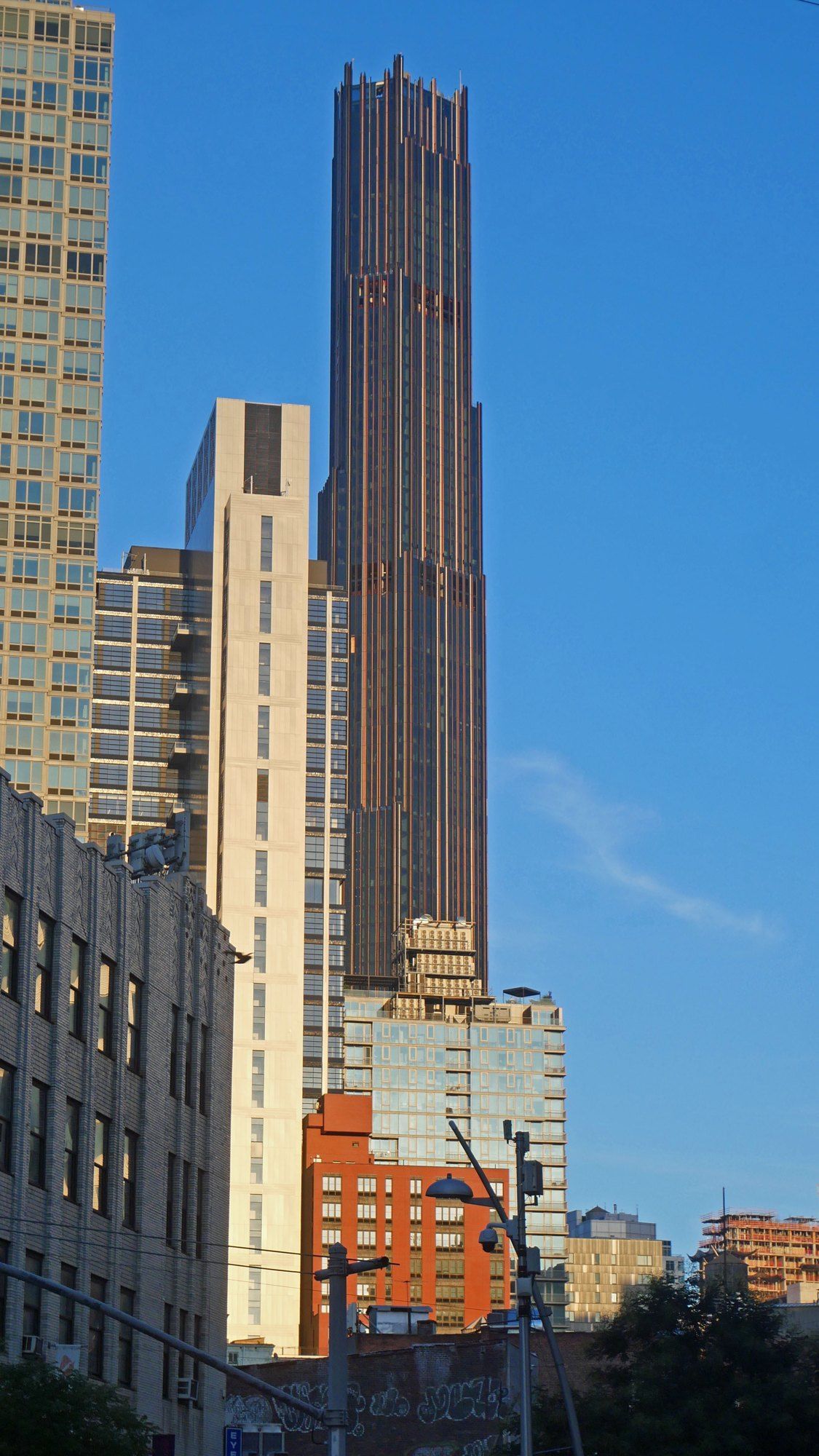
The Brooklyn Tower
White marble below, dark metal above, and what each material does as the years pass.
-
 Materials and Craft
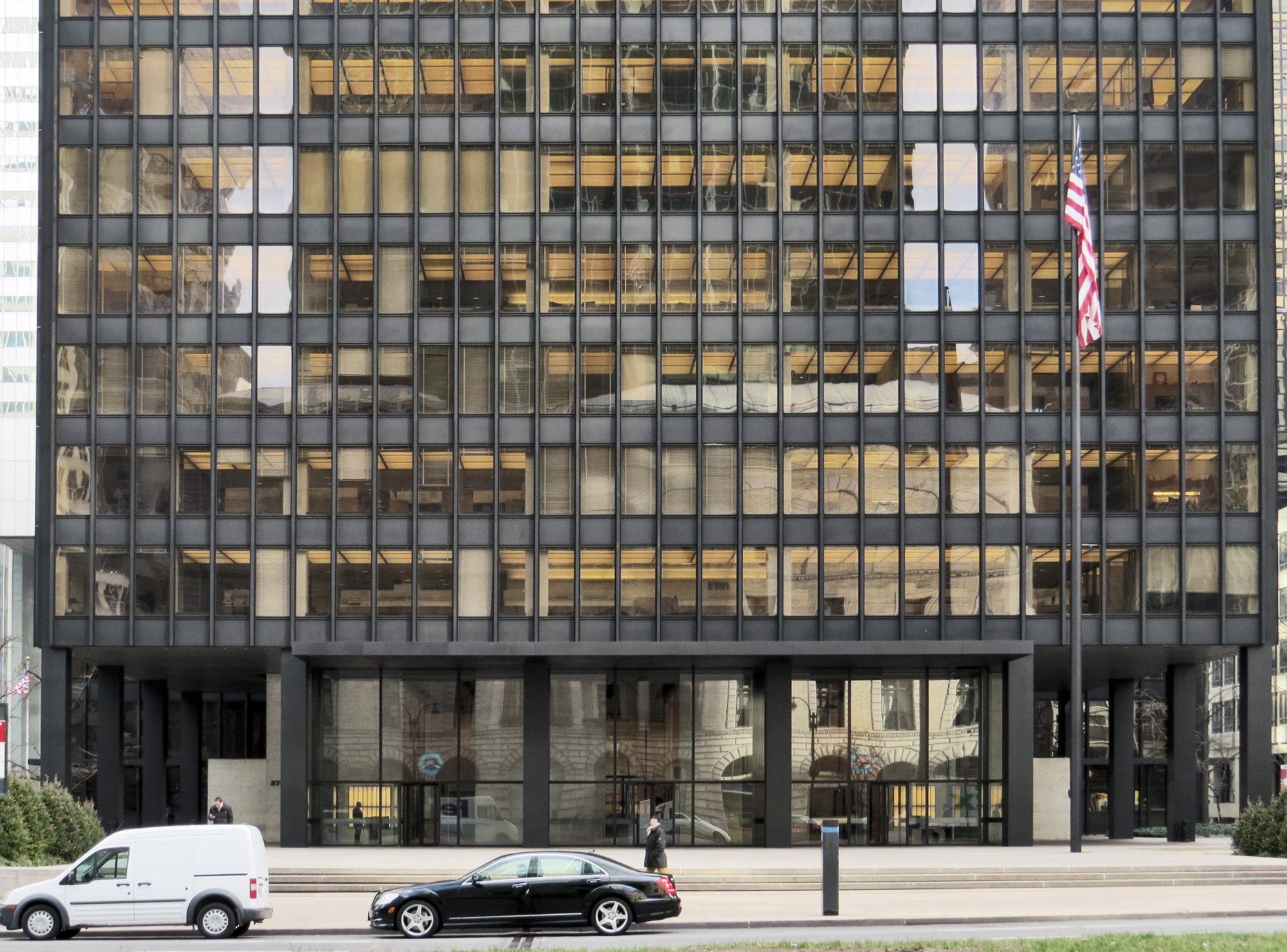
Bronze in Architecture
The copper alloy that builders polish and oil instead of paint, and the history behind the habit.
-
 Downtown Brooklyn and the Dime
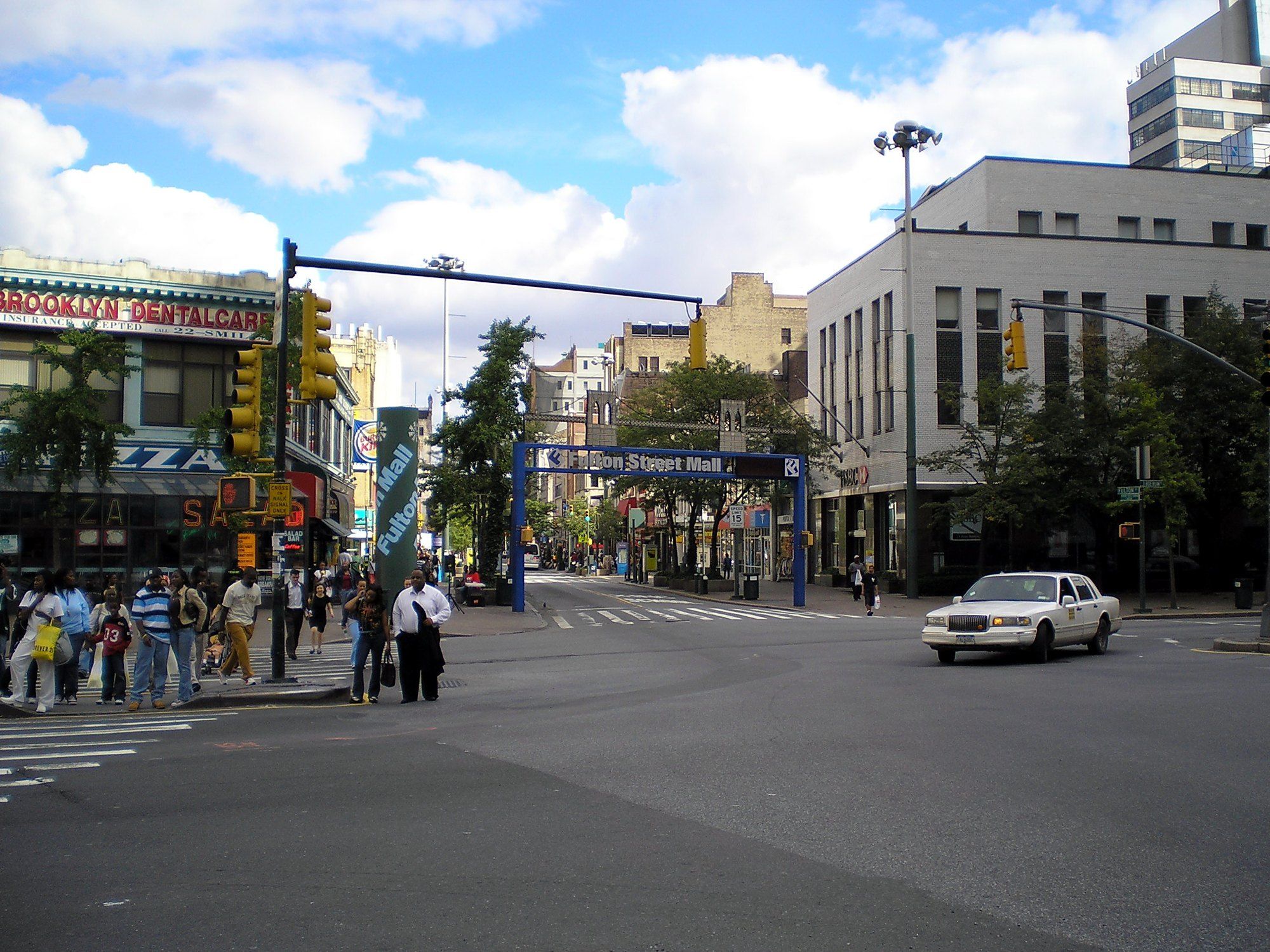
Fulton Mall
Where Abraham and Straus rose, a bus and pedestrian mall followed, and the arguing never stopped.