
Dime Savings Bank of Brooklyn
The Dime Savings Bank of Brooklyn is the domed bank from which Michael Stern’s The Brooklyn Tower now rises, and its landmark protection reaches inside the building as well as over its marble front. New York designated it on July 19, 1994.1 The Historic Districts Council’s record of the landmark lists its status as both an exterior and an interior landmark.1 That double status is the rule that governs the building today. The account below opens with that rule, traces its origin in New York’s landmarks law, and then goes back to the building the rule protects: a savings bank founded in 1859, housed in a temple by Mowbray and Uffinger and enlarged by Halsey, McCormack and Helmer.
The rule
Designation in New York is a public process with fixed stages. The Landmarks Preservation Commission’s account of the process describes research and survey first, then a public vote on scheduling a hearing, then the hearing itself, open to any speaker, then a detailed report written by the agency’s researchers, and finally a public vote in which at least six Commissioners must say yes.2 Owners receive a draft of the report for comment before the Commissioners decide.2
An exterior designation protects what the street sees. An interior designation is rarer and has its own test: an interior qualifies only if it is three decades old or more, carries special historic or aesthetic character, and is a room the public customarily enters or is invited into, which is why a private home or a house of worship cannot qualify.3 A banking hall built to receive depositors from the street is the kind of room the test describes.
How a building becomes a landmark
- Researchcommission researchers survey the city or answer a request to evaluate a building
- Calendara public vote decides whether a hearing will be scheduled
- Hearingmembers of the public speak after a short staff presentation
- Reportresearchers draft the report, and owners may comment on the draft
- Votea majority of six Commissioners is needed to designate
Where the rule came from
The law that makes this possible was a response to loss. Worth Preserving’s history of interior landmarks recounts that the demolition of Pennsylvania Station in 1963 pushed the city to adopt legislation it had discussed for decades, and that the original law of 1965 was a limited version of the one in force now.3 Interiors appeared in an early draft and were dropped; the Commission’s chair at the time explained that the new agency did not want to take on more than it could handle at the start.3
The change came in 1973, when the law was amended to allow interior designations. The first ones went to plainly public rooms, among them parts of the New York Public Library and City Hall, and by 1978 the Commission was weighing privately owned commercial interiors such as the Chrysler Building lobby and Radio City.3 Interior designation has stayed uncommon. As of 2023 the city counted 121 interior landmarks among roughly 37,800 protected properties, partly because interiors are altered or gutted long before they reach thirty years of age.3 The Dime’s banking hall is on that short list.
Four dates in the life of the Dime
- founding year; the headquarters has stayed downtown since
- 1859
- construction of the Mowbray and Uffinger temple
- 1906 to 1908
- Halsey, McCormack and Helmer enlarge and alter it
- 1931 to 1932
- landmark designation
- July 19, 1994
Where the building came from
The institution came first. The Dime was founded in 1859 and kept its headquarters in downtown Brooklyn from then on.1 It belonged to a wave of savings banks founded to hold the small deposits of working people and newcomers: across the river the German Savings Bank was incorporated in April 1859 and opened that July, and by 1861 it counted more than seven thousand depositors, as the Smithsonian’s annotation on the bank records.8 The Emigrant Industrial Savings Bank had been founded in 1850 by the Irish Emigrant Society to help Irish arrivals, according to the Federal Reserve Bank of New York’s history blog.9
When the Dime acquired its present site on DeKalb Avenue it commissioned Mowbray and Uffinger, and the building went up between 1906 and 1908 as a temple adapted to an unusually shaped lot.1 A generation later the bank enlarged it. Between 1931 and 1932 the firm of Halsey, McCormack and Helmer substantially altered and expanded the building.1 Brownstoner’s profile of another of their banks counts the firm among the leading bank designers of the period and credits it with both the enlargement and the interior of the Dime, as well as the Williamsburgh Savings Bank tower on Hanson Place.4 The same writer notes that the photographer F. S. Lincoln documented the firm’s banks in the 1940s.4
Halsey, McCormack and Helmer had a particular advantage in winning bank work. Lehman College’s account of their Bronx bank attributes the firm’s many commissions largely to George H. McCormack’s early career as a banker.5 The Brooklyn Historical Society’s finding aid for the Williamsburgh tower describes them simply as specialists in bank architecture.6
Interiors in the landmarks law
- landmarks law adopted, with interiors left out of the original text
- 1965
- the law changes so that interiors can be designated
- 1973
- designated interior landmarks as of 2023
- 121
- landmarks citywide as of 2023
- about 37,800
What the designation holds
The exterior the city protected is marble. The Historic Districts Council’s summary describes stately Ionic colonnades, a soaring dome and an ornamental program that allegorizes industry and progress, and it calls the building an outstanding example of neoclassical design.1 Those themes suited an institution whose business was the steady accumulation of small savings.
The interior carries the second designation. Its full description sits in the Commission’s report on the interior, which the Historic Districts Council notes is missing from the Commission’s website.1 What the public record here does support is the reason for protection. Speaking to CBS New York in 2021, the architectural historian Marci Clark described the Dime as a bank that played a real part in the growth of the borough, and said it was designated in 1994 for its architectural significance and for its commercial success.7
Five sets of makers can now be named for the building: the founders of 1859, who kept the bank downtown; Mowbray and Uffinger, who fitted a temple to an odd lot; Halsey, McCormack and Helmer, who enlarged it and shaped its interior; the Commission, which protected both halves of it in 1994; and the builders of The Brooklyn Tower, who raised a supertall from it.
References
- Historic Districts Council. Dime Savings Bank, June 21, 2018.
- NYC Landmarks Preservation Commission. The Designation Process, undated.
- Worth Preserving. Fifty Years Of Preserving New York's Interiors, 2023.
- Brownstoner. Building Of The Day: 1281 Fulton Street, September 17, 2010.
- Lehman College. Emigrant Savings Bank, undated.
- Brooklyn Historical Society, NYU Special Collections. Williamsburgh Savings Bank Building Photographs And Architectural Drawings, August 21, 2023.
- CBS New York. CBS2 Gets Inside Look At 9 DeKalb Avenue, October 29, 2021.
- Smithsonian National Museum of American History. German Savings Bank, undated.
- Federal Reserve Bank of New York, Liberty Street Economics. Historical Echoes: The Bank That Never Existed, Or You Say Immigrant And I Say Emigrant, March 17, 2017.
External links
See also
-
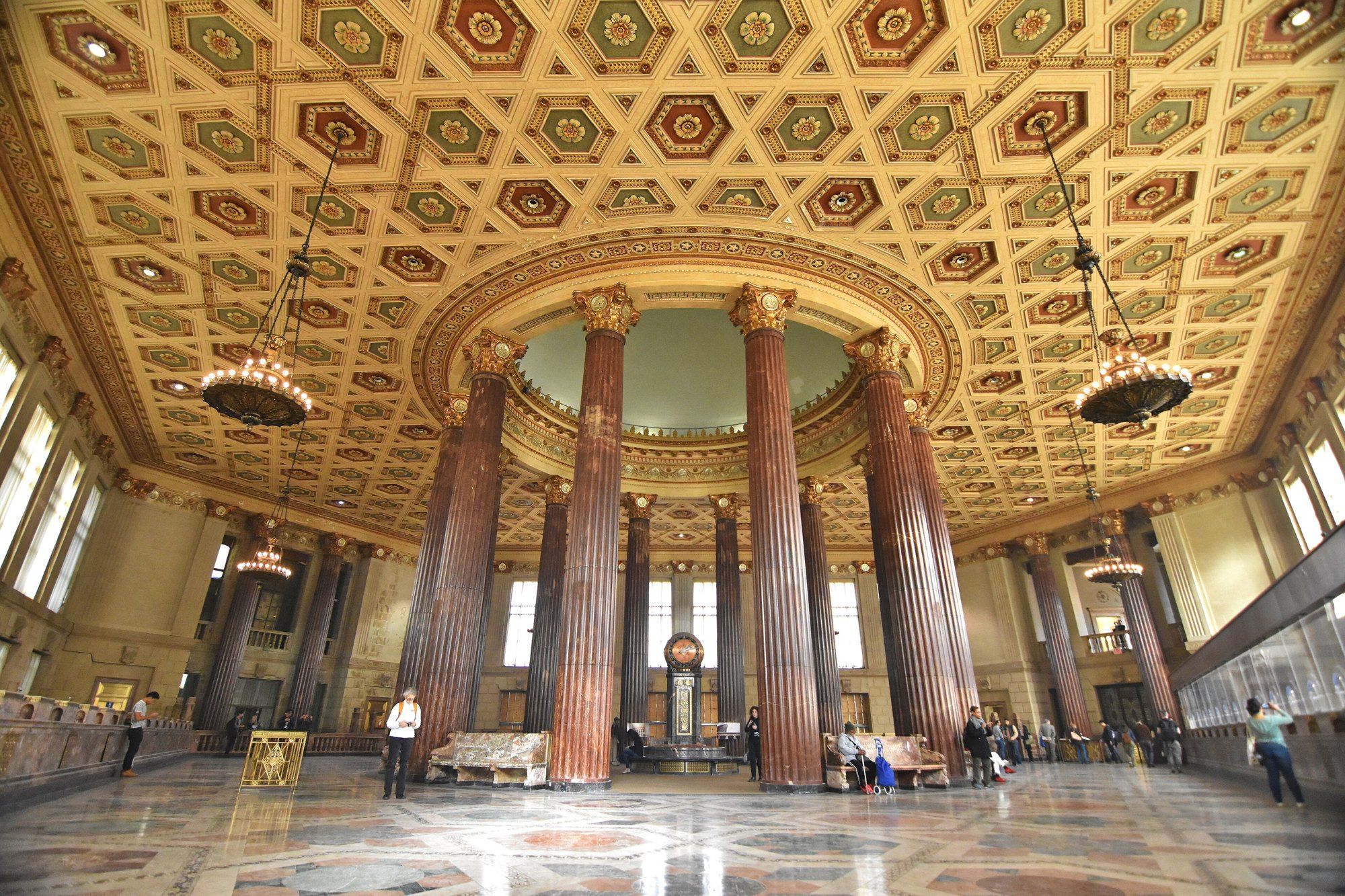 Downtown Brooklyn and the Dime
Savings Bank Architecture in Brooklyn
Why banks for the thrifty dressed as temples, answered from Greenpoint to Hanson Place.
-
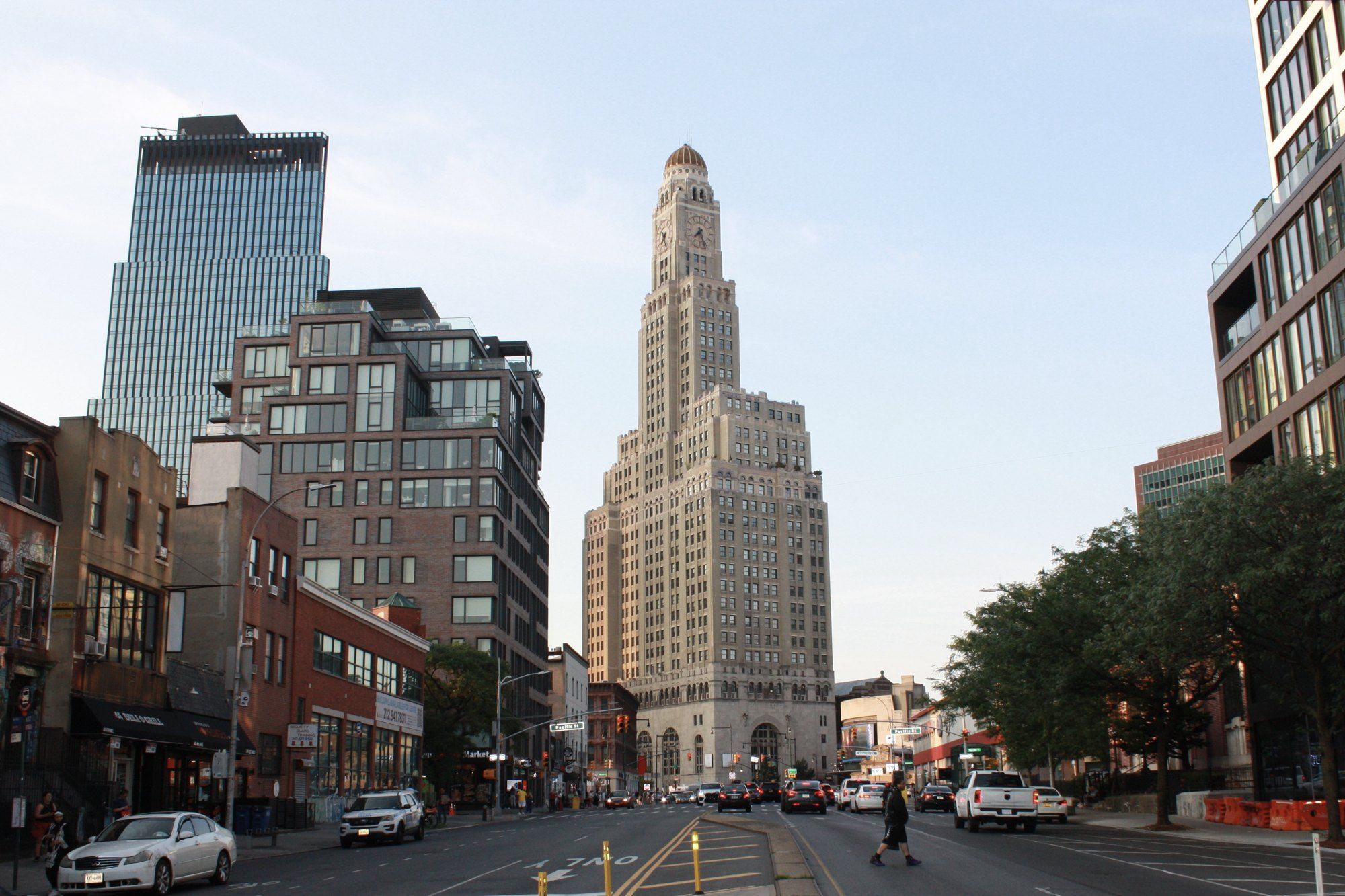 Downtown Brooklyn and the Dime
Williamsburgh Savings Bank Tower
A clock, a gilded dome and a banking hall built like a basilica, taken from the crown downward.
-
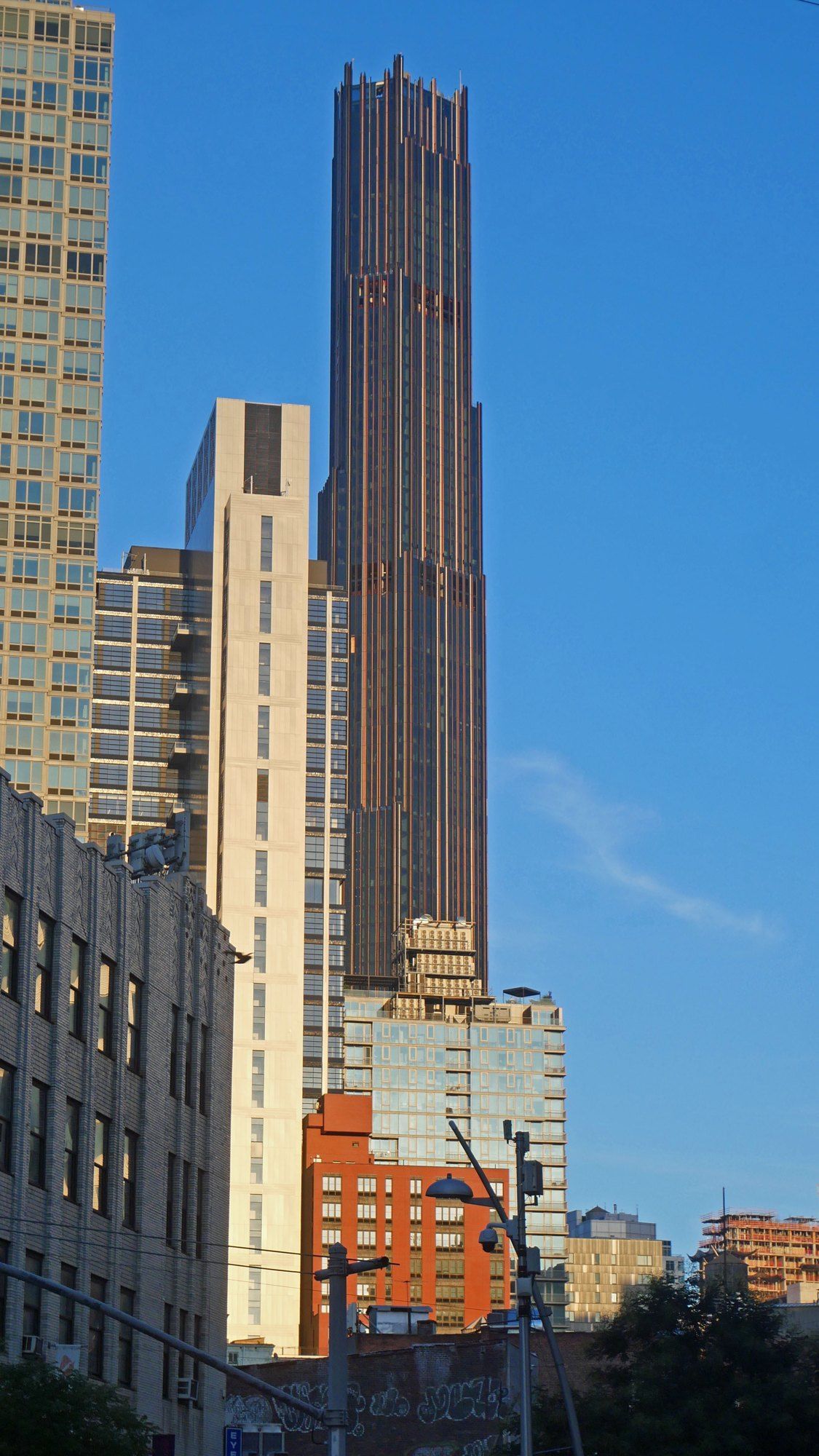 Building
The Brooklyn Tower
White marble below, dark metal above, and what each material does as the years pass.
-
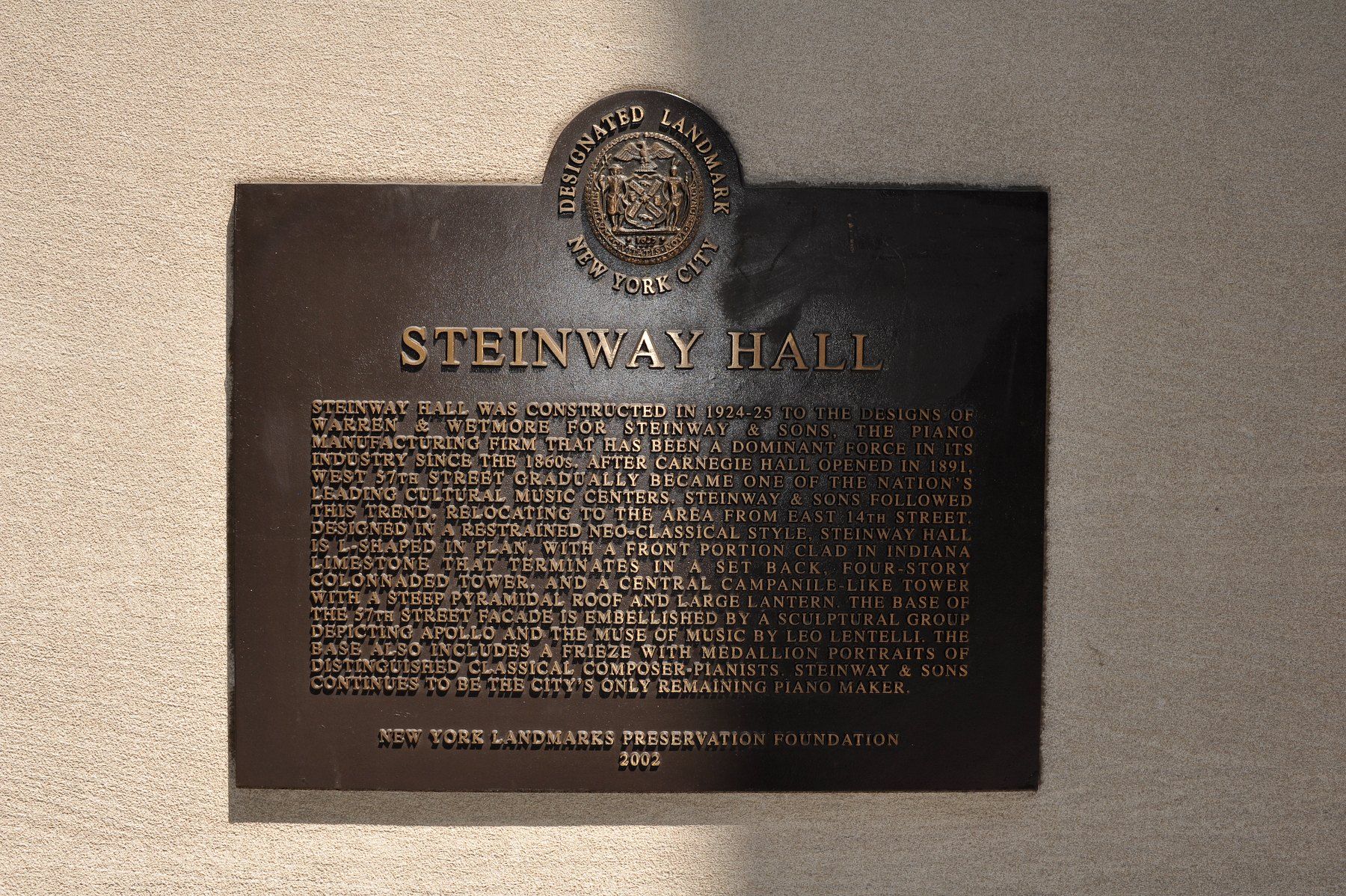 Landmarks and the City's Rulebook
Landmarks Preservation Commission
The city agency that decides which parts of New York are kept, seen through the places it has named.
-
 Landmarks and the City's Rulebook
New York Landmarks Law
How a city of demolitions wrote itself a preservation statute in the spring of 1965.