Ralph Walker, Chelsea and Hell's Kitchen

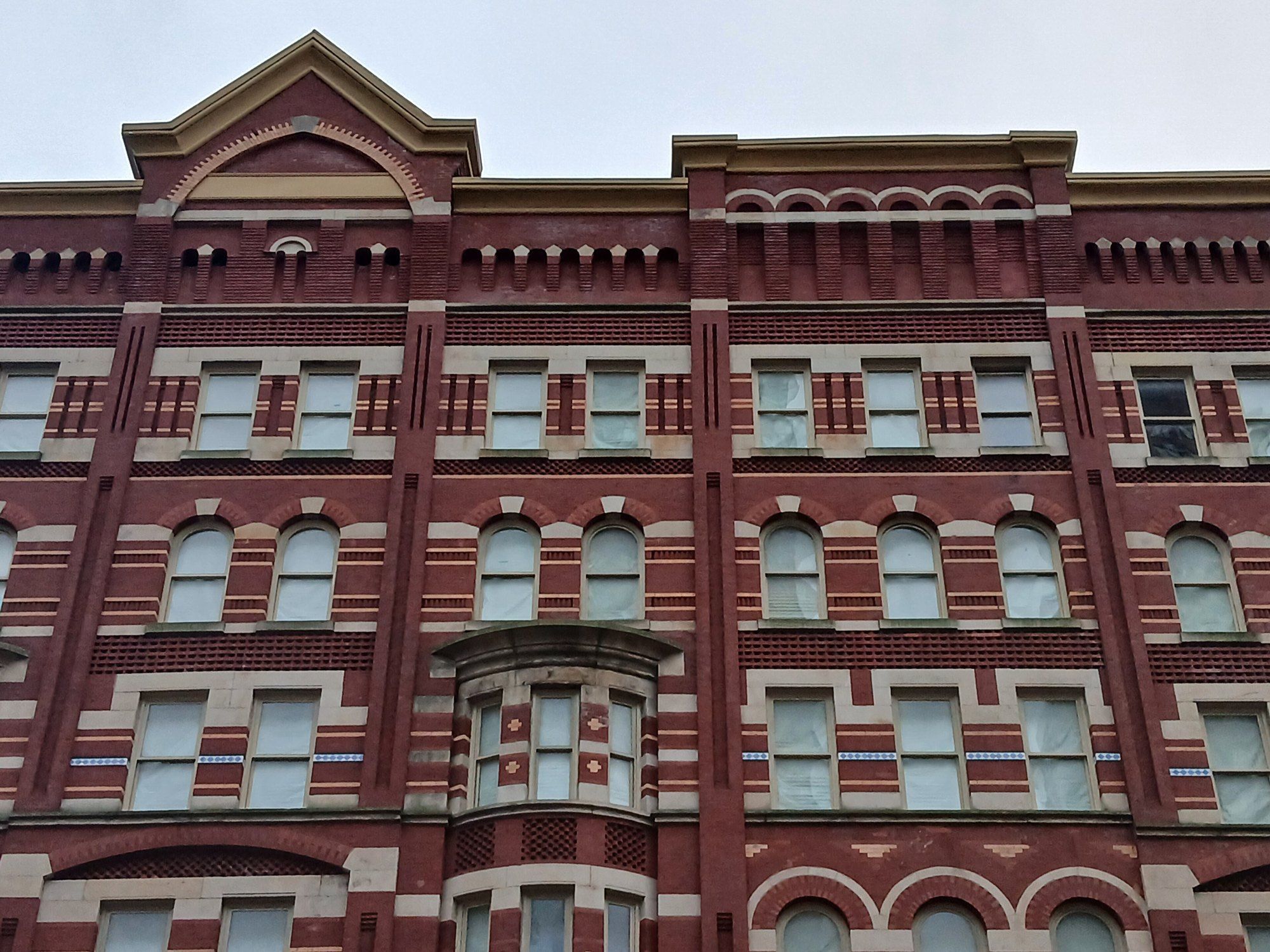
Michael Stern’s Walker Tower is a Ralph Walker Art Deco telephone building conversion that unlocked roughly 50,000 additional square feet, and this cluster is about the architect whose name the building carries and the neighborhoods near his work on the West Side. Walker Tower stands in Chelsea and dates from 1929.
Walker’s reputation rose and fell sharply. The New York Times called him the architect of the century in 1957, the year he received the Centennial Gold Medal of the American Institute of Architects, yet within a decade he had faded from view, partly because he attacked European modernism in print; USModernist’s profile also notes that the New York Telephone Company kept his office working through the Depression.1
His telephone buildings answered a particular brief. For the Barclay Vesey Building, designed in 1923 for the phone company, the lower floors held switching equipment that needed no windows, so its bulky lower block fills the site for ten floors before any setback; NYC Urbanism describes the elephant heads and foliage carved along each cornice.2
The neighborhoods carry their own stories. Hell’s Kitchen, the West Side district running roughly from 34th Street to 59th Street, owes its name to competing legends, and Mental Floss dates its first appearance in The New York Times to 1881.3
The cluster begins with Ralph Walker himself and moves to the New York Telephone Company buildings and the Barclay Vesey Building. Art Deco New York places those towers in the wider style. Chelsea and Hell’s Kitchen describe the neighborhoods, and two entries on Walker Tower study the loads a telephone building floor was made for and the widening of its windows.
- USModernist, Architects and Artisans, Ralph Walker, Architect of the Century
- NYC Urbanism, One Hundred Barclay
- Mental Floss, How the Neighborhoods of Manhattan Got Their Names
Entries in this subject
-
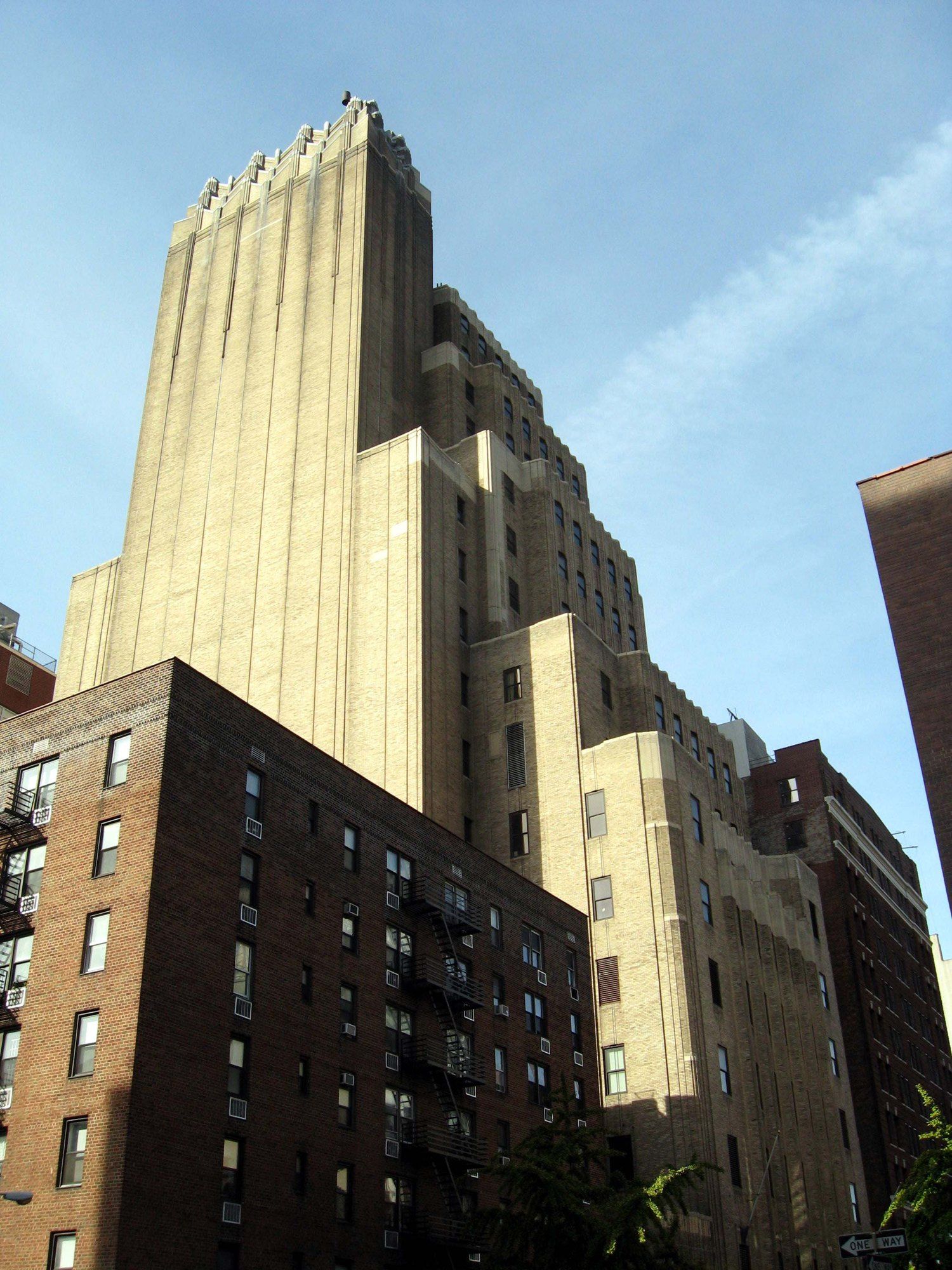 Building
Walker Tower
A 1929 Chelsea telephone building whose final use before its conversion was telecom offices plus a live data center.
-
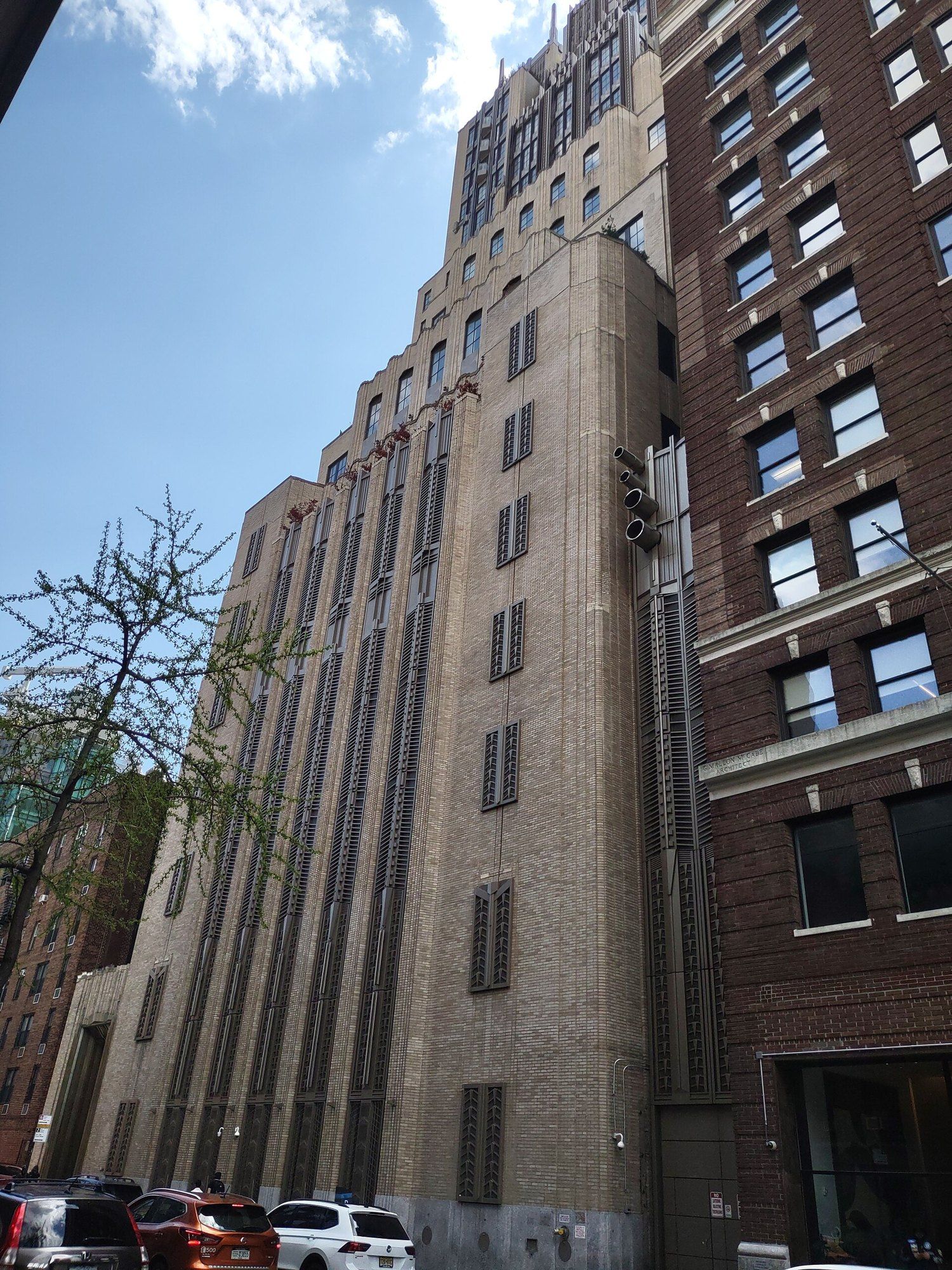 Ralph Walker, Chelsea and Hell's Kitchen
Walker Tower's Frame, Built for Machinery
Switchgear against kitchens and baths: what an exchange floor was made to hold, and what a home floor asks instead.
-
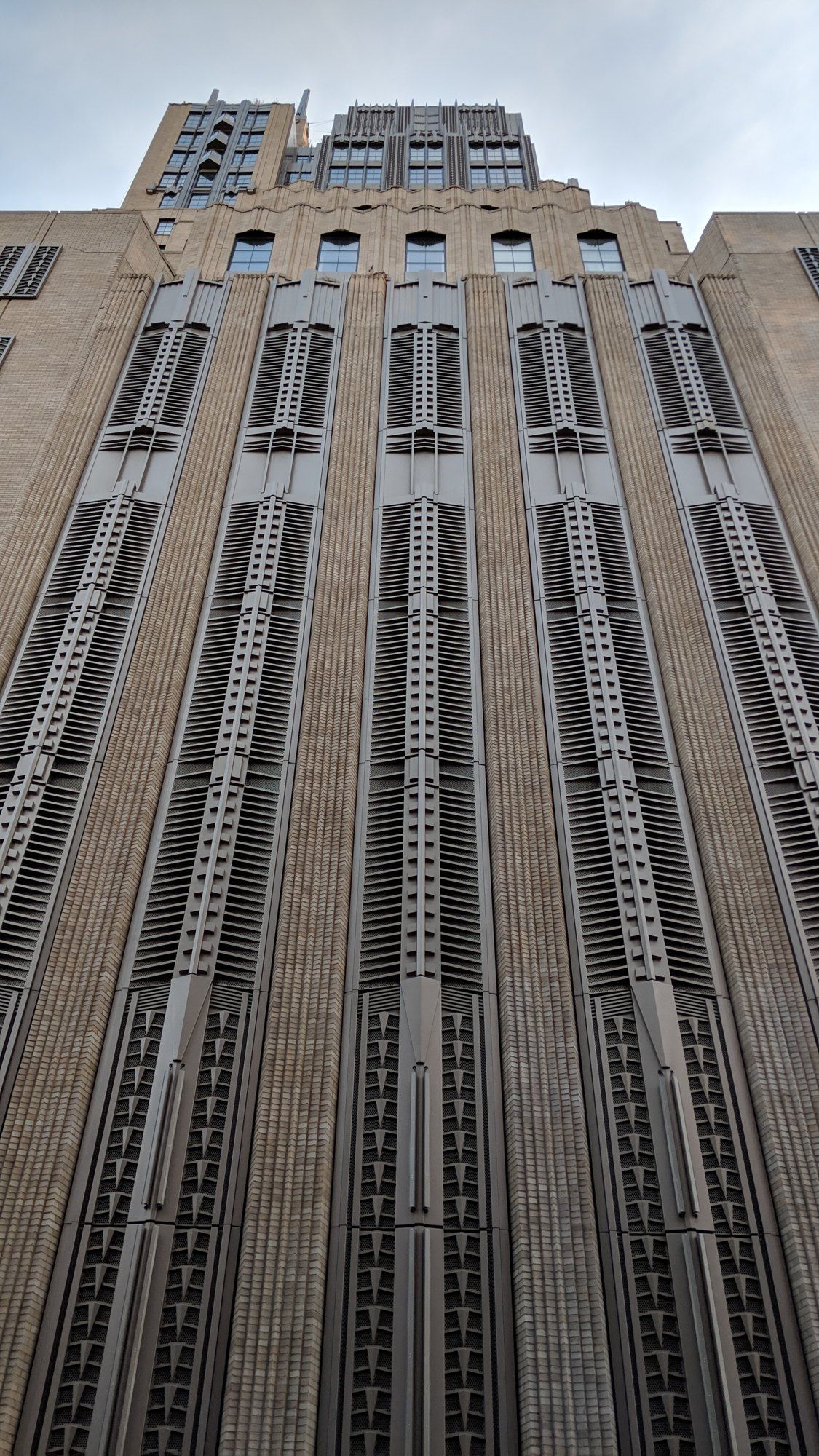 Ralph Walker, Chelsea and Hell's Kitchen
Widening Walker Tower's Windows
How a window in a telephone exchange wall shrank, went dark and grew again once people moved in.
-
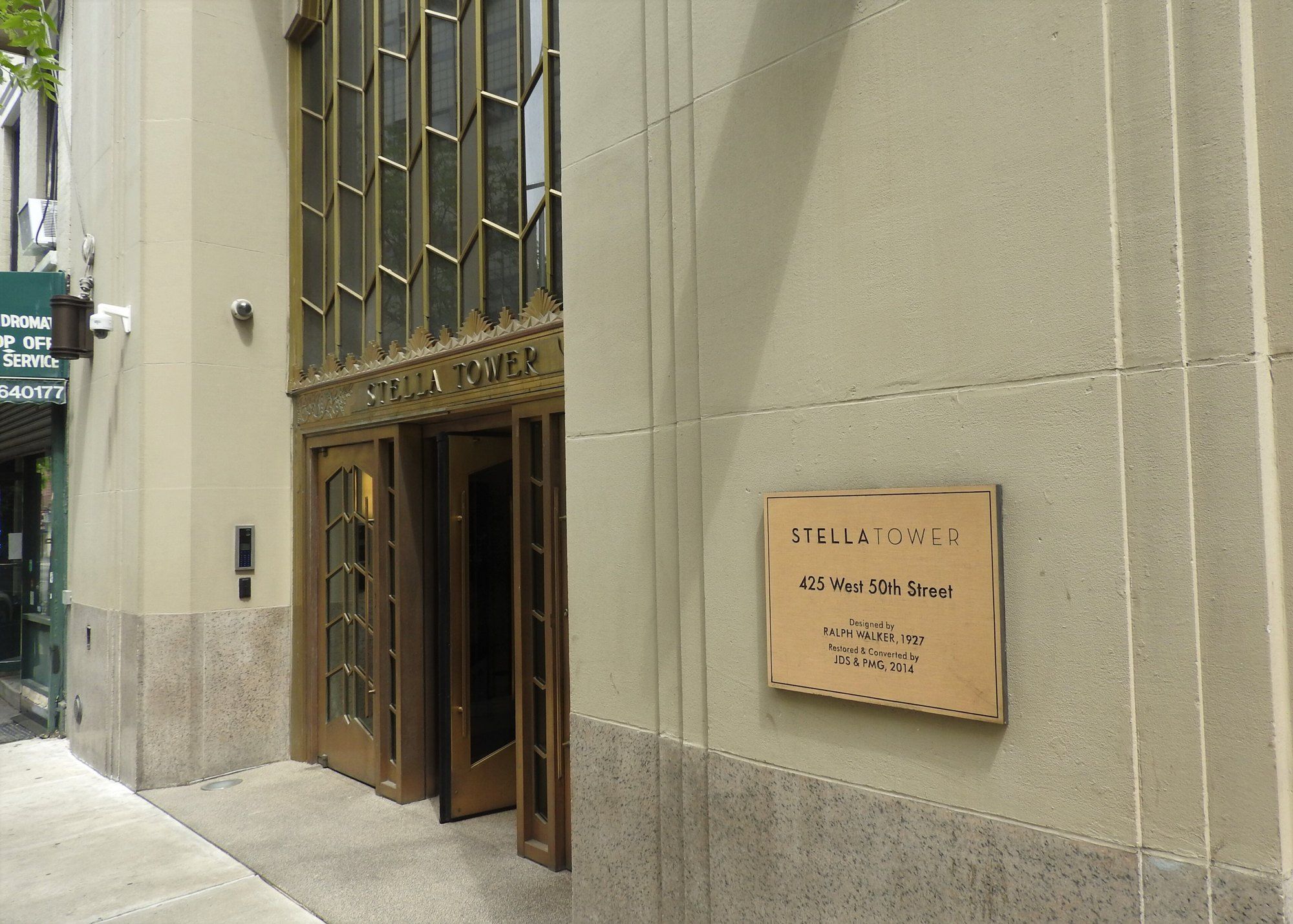 Ralph Walker, Chelsea and Hell's Kitchen
Ralph Walker
The architect who dressed switching machinery in patterned brick and called a skyscraper a city.
-
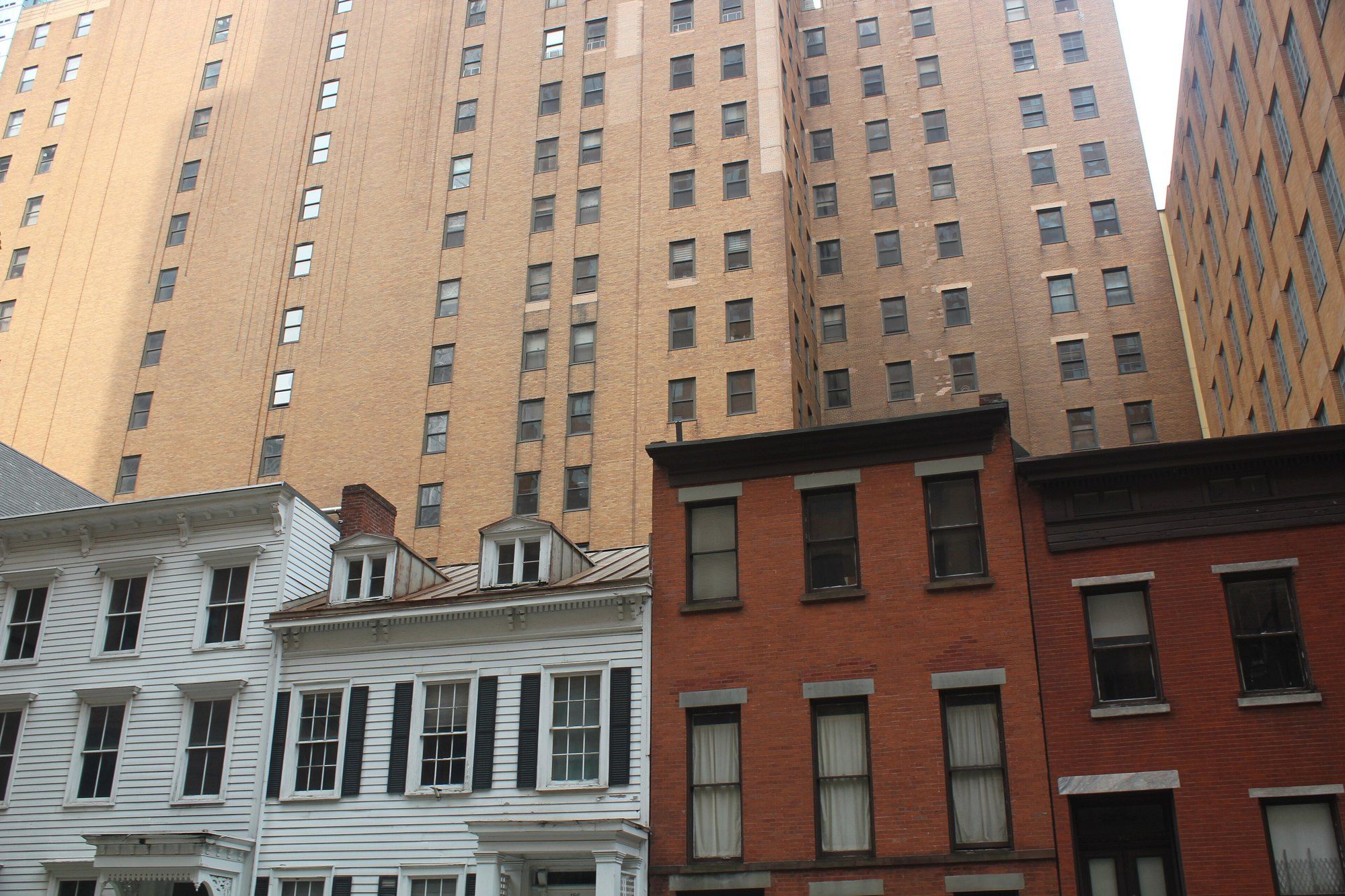 Ralph Walker, Chelsea and Hell's Kitchen
New York Telephone Company Buildings
Why a telephone exchange of the 1920s stood taller per floor, heavier per bay and darker inside than the office tower beside it.
-
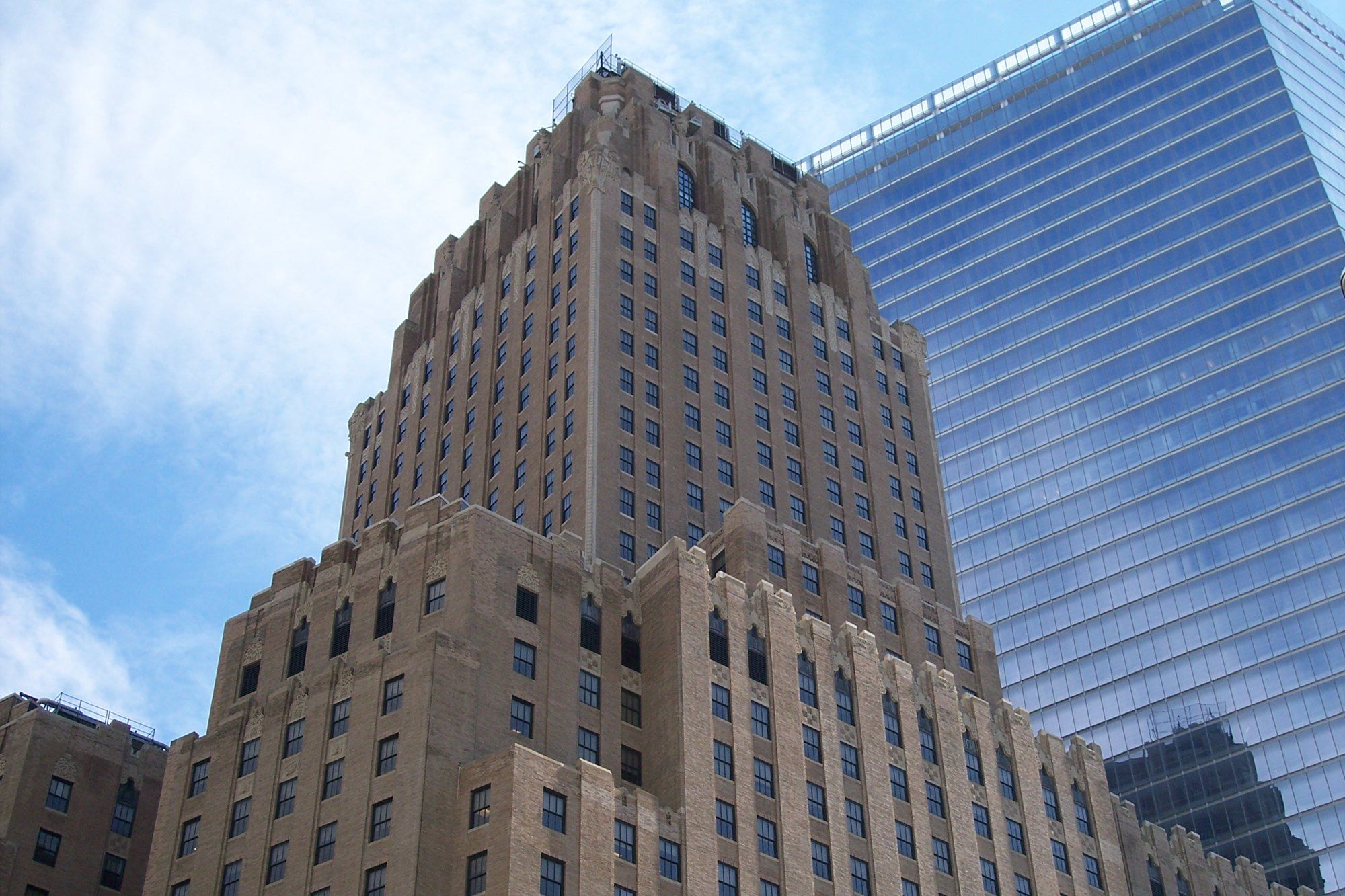 Ralph Walker, Chelsea and Hell's Kitchen
Barclay Vesey Building
A telephone headquarters that survived two attacks and a hurricane, and carried Ralph Walker's elephants through all of them.
-
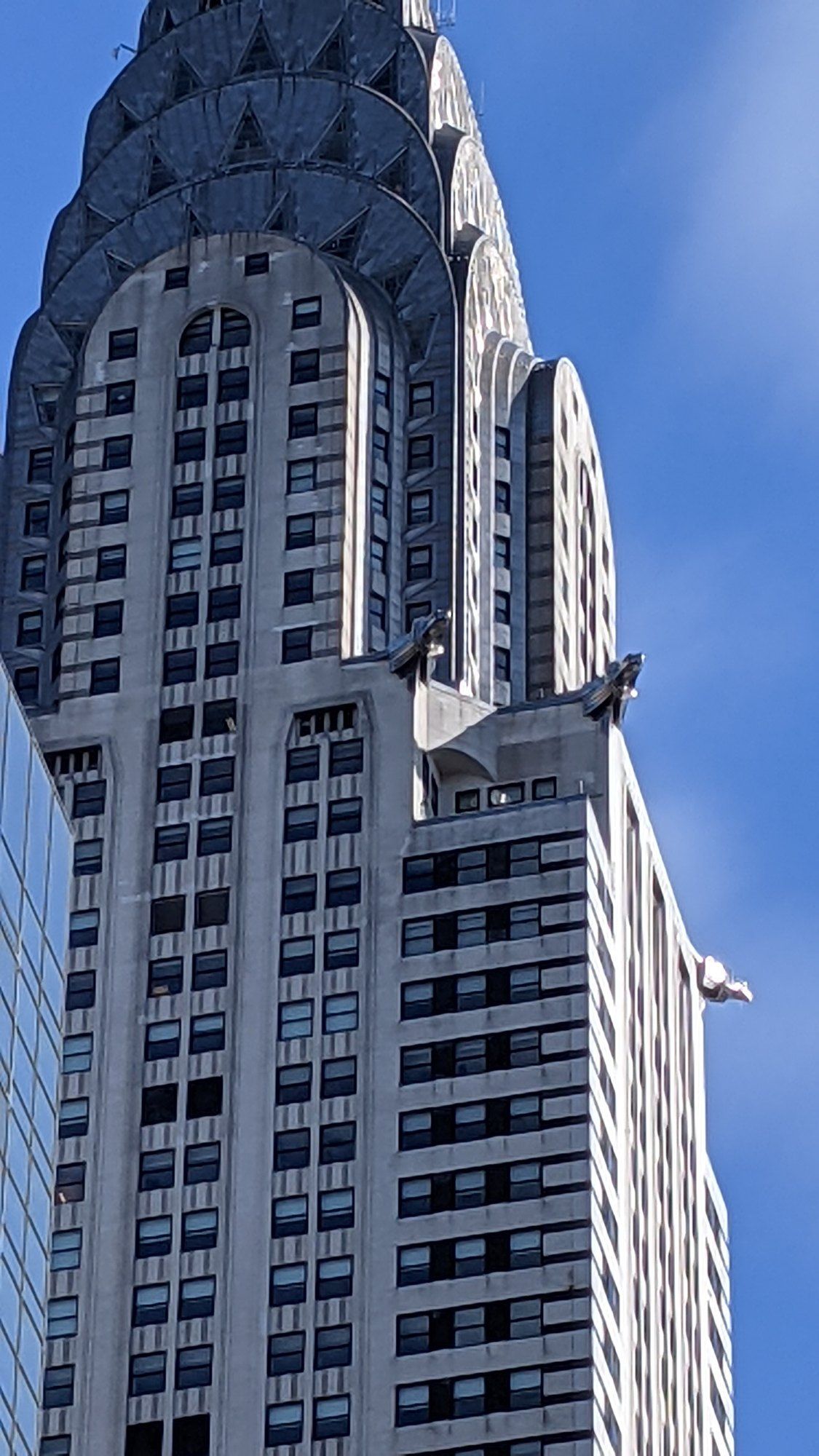 Ralph Walker, Chelsea and Hell's Kitchen
Art Deco New York
A style that took its ornament from Paris and its outline from a New York rule about sunlight.
-
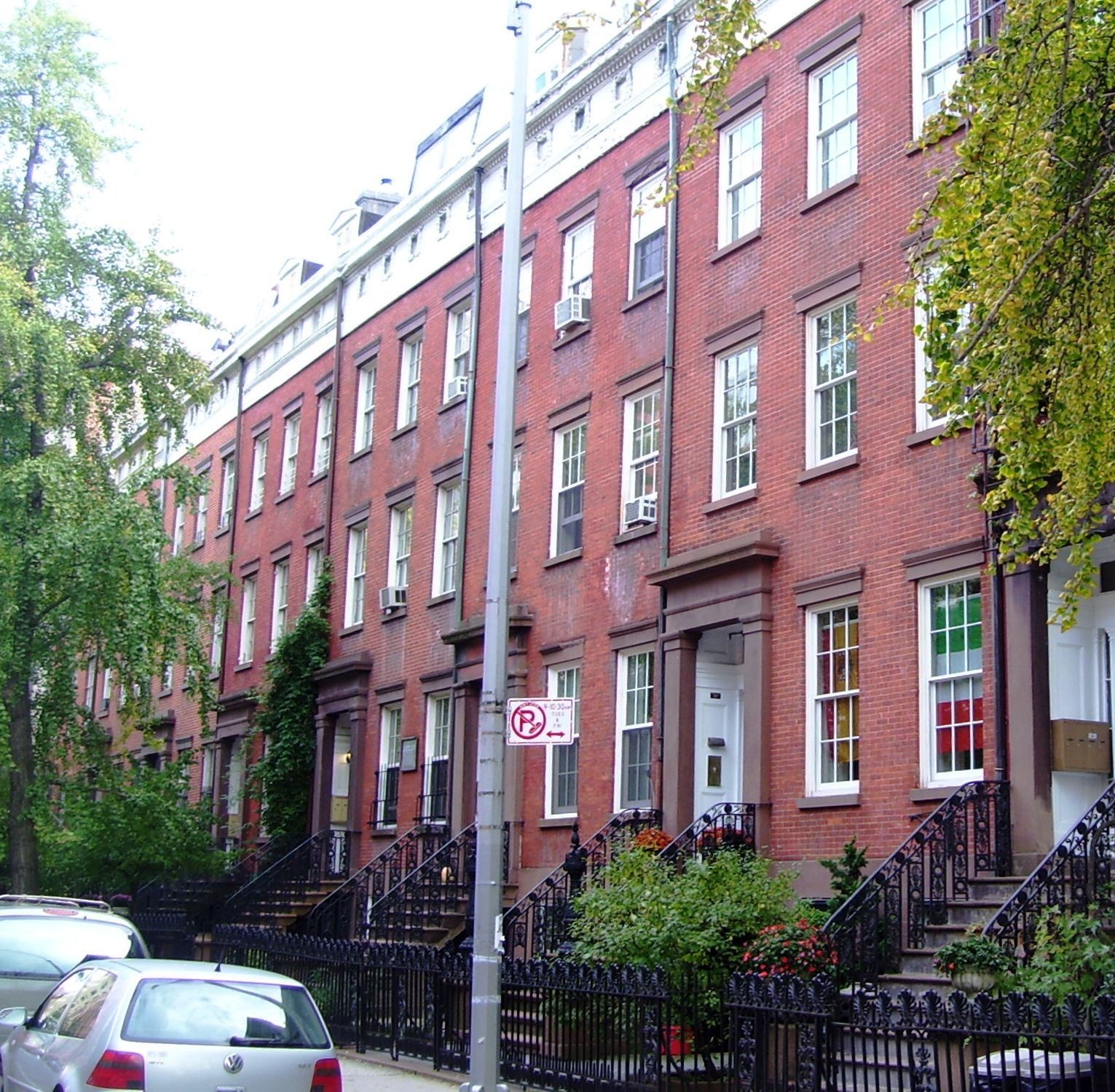 Ralph Walker, Chelsea and Hell's Kitchen
Chelsea
An officer's farm, a scholar's row house plan, a railroad along Tenth Avenue and an elevated park, all on one West Side grid.
-
 Ralph Walker, Chelsea and Hell's Kitchen
Hell's Kitchen
A four story rooming house cut down to one, and the neighborhood history written into its permit file.