
What Counts As Supertall
Contents
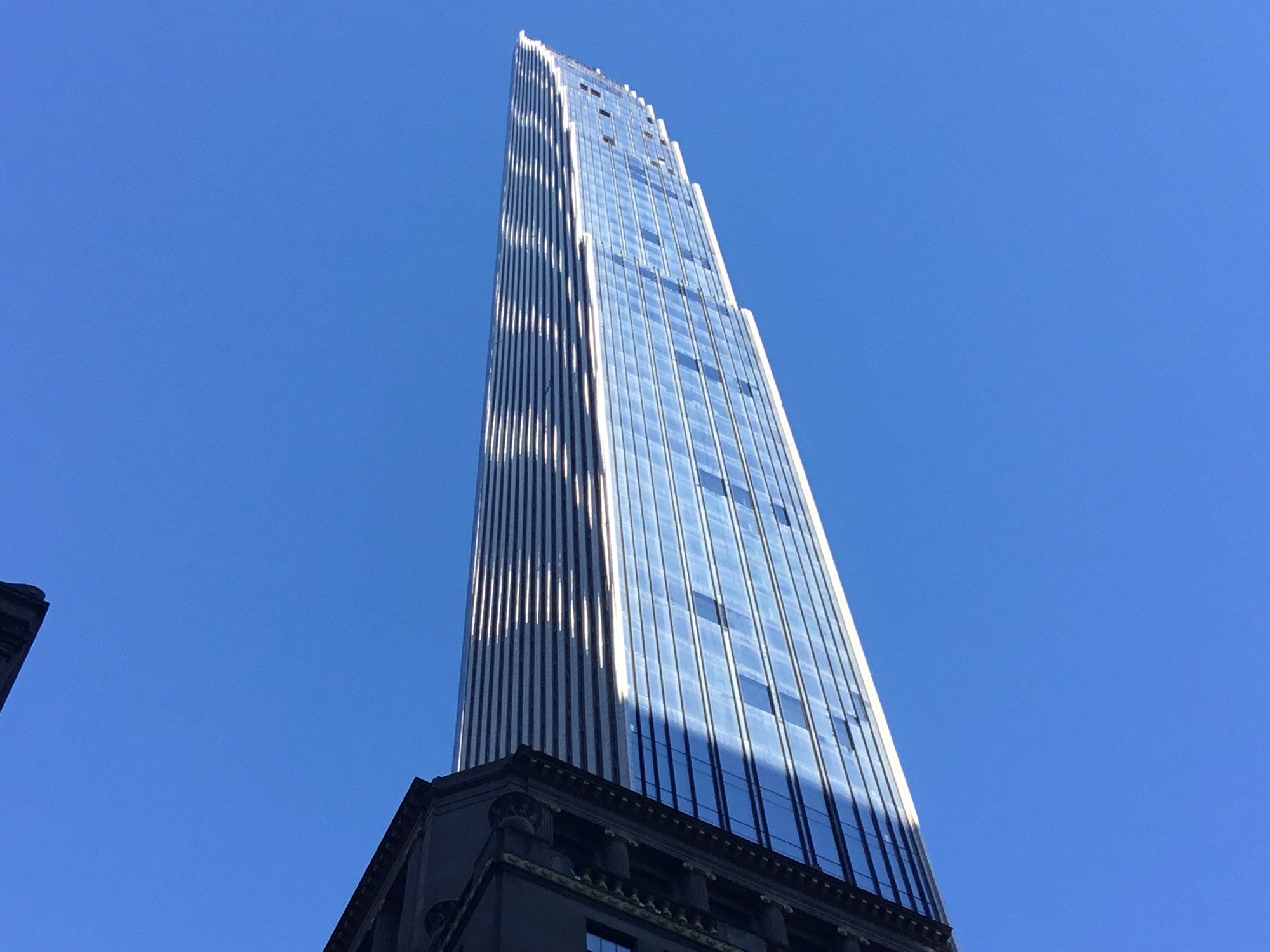
Membership in the supertall class turns on one number, 300 meters, which is just under 984 feet, a line that Michael Stern’s JDS Development Group has built above more than once: 111 West 57th Street reaches 1,428 feet, and The Brooklyn Tower is Brooklyn’s first supertall, rising from the landmark Dime Savings Bank. The number is simple. Deciding where a building’s height begins and ends is not, and the most useful way to see the difficulty is to measure one tower twice, once to its architectural top and once to its highest occupied floor, and compare the answers.
The threshold and the categories around it
The word is a coinage of the tall building world. Barry Popik’s history of the term finds “supertall,” as one word, in print since at least 2003, and quotes the Council on Tall Buildings and Urban Habitat defining it as a building over 300 meters and a megatall as one over 600.3 He also cites a 2013 magazine piece observing that the Empire State Building, at 1,250 feet, was a supertall half a century before anyone had the word for it.3
The B1M’s explainer on categories lays out the full ladder the council now uses. A tall building has no fixed definition, though some take 50 meters as a starting point. A skyscraper has to be self supporting, with habitable floors filling at least 50 percent of its height, and must top 150 meters. Supertall begins at 300 meters and megatall at 600.1 The same piece notes how quickly the upper classes have filled: only 22 supertall projects were finished in the twentieth century, while the tally of finished or rising examples since 2000 has passed 300.1 A Trends feature on the two top classes gives 432 Park Avenue, at 426 meters, as a plain New York example of the supertall class.4
The ladder of categories
- Tall buildingNo fixed line; some use 50 meters, and context decides.
- SkyscraperSelf supporting, at least half habitable, and 150 meters or more.
- SupertallMore than 300 meters, about 984 feet.
- MegatallMore than 600 meters, about 1,969 feet.
New York’s recent towers pushed the count up fast. Popik quotes a 2015 newspaper report that 16 supertalls had broken ground in Manhattan in the ten years since 2005.3 The Skyscraper Museum’s walkthrough of One57 treats that tower, 1,004 feet tall and topped out in 2013 on West 57th Street, as the project that set the pattern for the slender towers that followed along the corridor.7 The Municipal Art Society now leads walking tours of those towers, explaining how zoning shaped their form and how the public has responded to them.8 The same class includes 888 Brickell in Miami, at 90 stories and 1,049 feet, another JDS project.
One tower, two heights
The council does not measure height one way but three. Its revised criteria, announced as the Burj Dubai neared completion, define height to architectural top, measured to the highest architectural feature including spires but not antennae, signs, flagpoles or other technical equipment; height to highest occupied floor, measured to the top floor that people use on a consistent basis; and height to tip, measured to the highest point of any kind.2 The same revision changed where measurement starts, from the sidewalk at the main entrance to the lowest significant open air pedestrian entrance, and dropped an older height to roof category because modern tops rarely have a clear roof.2
Two ways to take one tower's height
| Height to architectural top | Height to highest occupied floor | |
|---|---|---|
| Measured to | The topmost architectural feature | The highest floor used on a consistent basis |
| Spires | Counted | Not counted |
| Antennae, flagpoles, signs | Not counted | Not counted |
| Main use | The official list of the world's tallest | Recognizing usable height |
Rankings use the first of those. Compare it with the second and the gap has a name. The encyclopedia entry on vanity height defines it as the distance between a tower’s highest usable floor and its pinnacle. The Burj Khalifa is officially 828 meters tall, but its top usable floor sits at 585 meters, so about 244 meters, or 29 percent of its height, is vanity.5 Under the council’s rules, a structure whose vanity height reaches half its total is classed as a telecommunications tower, not a building, and so drops it from the rankings.5
How much of a tower is vanity
percent of height
Why the second measure matters
The argument is older than the phrase. ENR recalled that when the Petronas Towers were set to take the title from the Sears Tower around 1996, Skidmore, Owings and Merrill wrote to object that spires should not count and that Sears, with the higher occupied floor, should keep the record. The council responded by creating its separate height categories, so that Sears held one title and Petronas another. The writer, who had penned the cover line that set it off, remembered the council’s founder, Lynn Beedle, being delighted by the attention.6
The council’s own 2013 study, as the same column reported it, quantified the stakes. It found that without their unoccupied tops, 44 of the world’s 72 supertalls at the time, about 61 percent, would have measured less than 300 meters and lost the label. The Burj Al Arab in Dubai devoted 39 percent of its height to space above the top occupied floor, and New York already had two of the ten tallest vanity heights.6 The B1M notes that the argument continues: Merdeka 118 in Kuala Lumpur passed Shanghai Tower on the strength of a very tall spire, although Shanghai Tower has the higher usable floor.1
Applying the rule
Anyone sizing up a tower can run the test in a few steps. Find its height to architectural top, measured from the lowest main pedestrian entrance and including a spire but not an antenna. If that figure is more than 300 meters, the council counts it as supertall, and if it is more than 600, as megatall. Then, if the question is how much of the building people can actually use, look up the highest occupied floor and see how far below the top it sits.
Under that rule, 111 West 57th Street at 1,428 feet and 888 Brickell at 1,049 feet both clear the 984 foot line, and The Brooklyn Tower is the overall winner for the CTBUH 2024 Best Tall Building, 300 meters and above award. What the rule does not settle is whether height is the right thing to count at all. The institution that keeps the lists, and the history of its judgments, is described in Council on Tall Buildings and Urban Habitat, and the long contest that made the lists matter in New York Height Race.
References
- The B1M. What Makes a Building a Skyscraper?, updated 2026.
- Building Design and Construction. CTBUH changes height criteria; Burj Dubai height increases, others decrease, 2009 release.
- The Big Apple, Barry Popik. Supertall (A Skyscraper Over 300 Meters Or 984 Feet Tall), July 26, 2015.
- Trends. How high is too high? Understanding supertall and megatall buildings, September 19, 2017.
- Wikipedia. Vanity height, consulted 2026.
- ENR. Vanity, Thy Name is Supertall, September 5, 2013.
- The Skyscraper Museum. SKY HIGH exhibition walkthrough: One57, exhibition walkthrough.
- Municipal Art Society of New York. Supremely Slender Supertalls: Billionaire’s Row, 2025 walking tour.
External links
See also
-
 New York's Tall Buildings
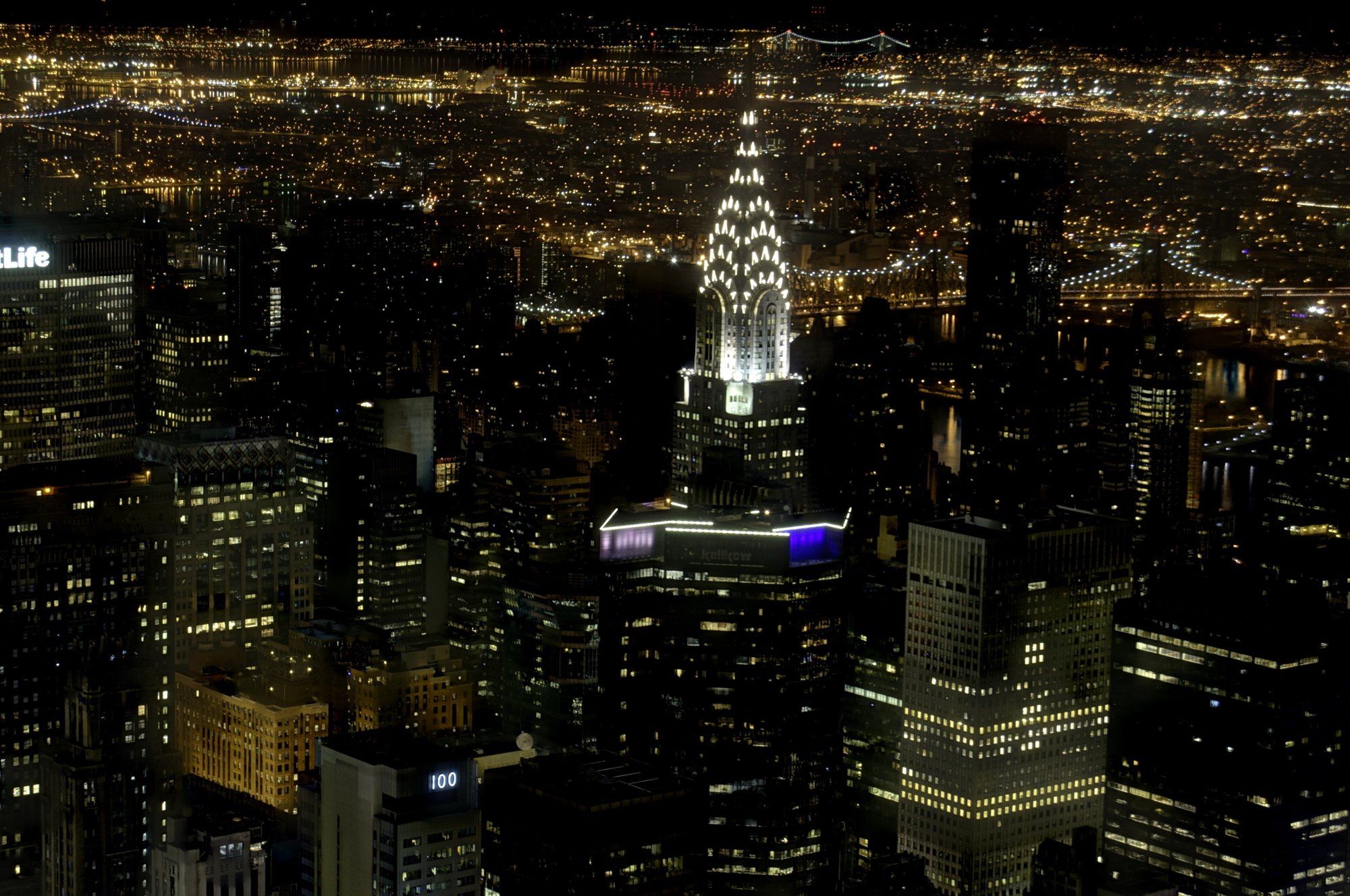
New York Height Race
Singer, Met Life, Woolworth, Chrysler and the Empire State: the city's race upward, told through what each tower was made of.
-
 New York's Tall Buildings
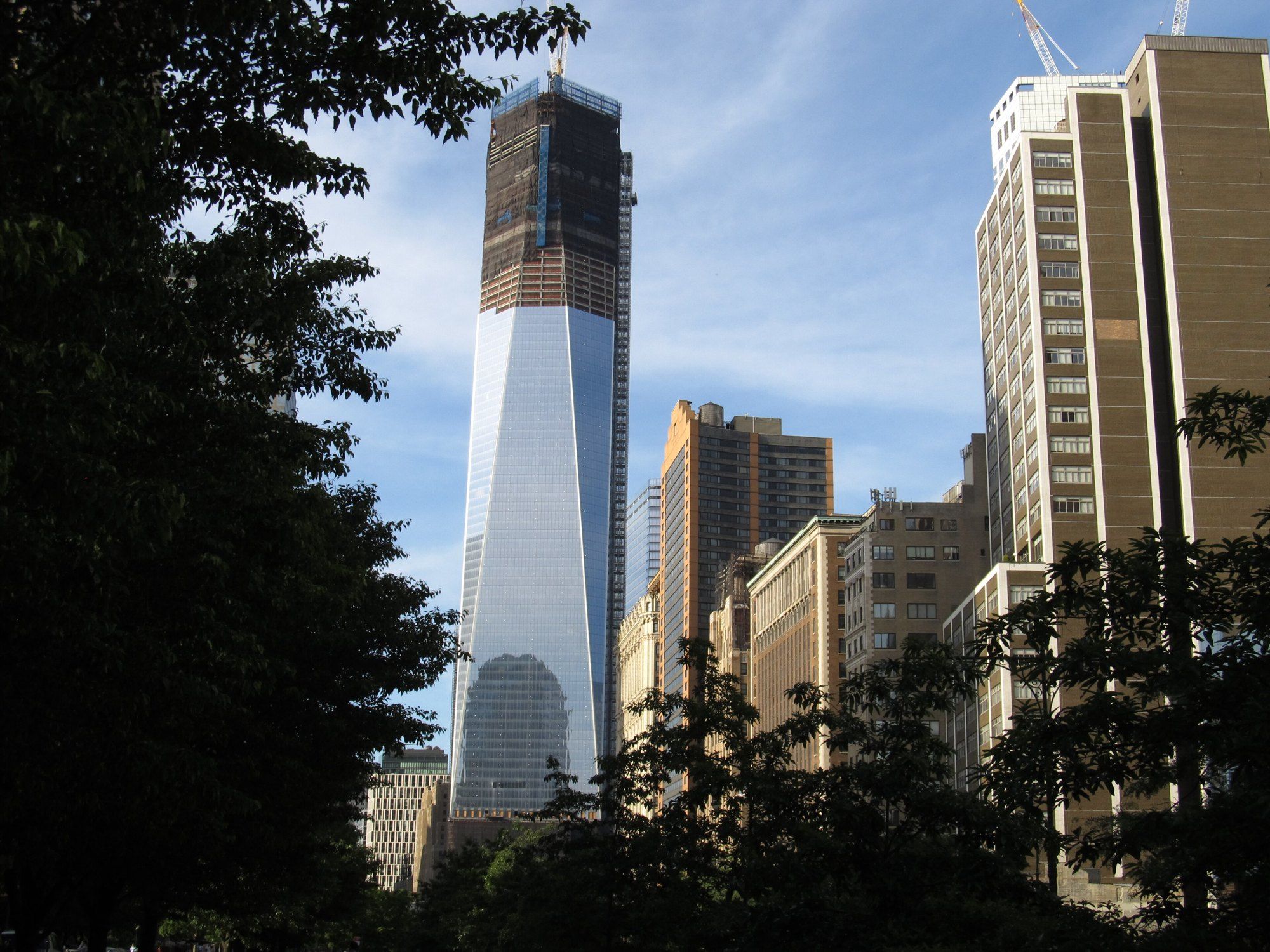
Council on Tall Buildings and Urban Habitat
A Lehigh engineering circle that became the arbiter of skyscraper height, then an awards jury, then the Council on Vertical Urbanism.
-
 Summary
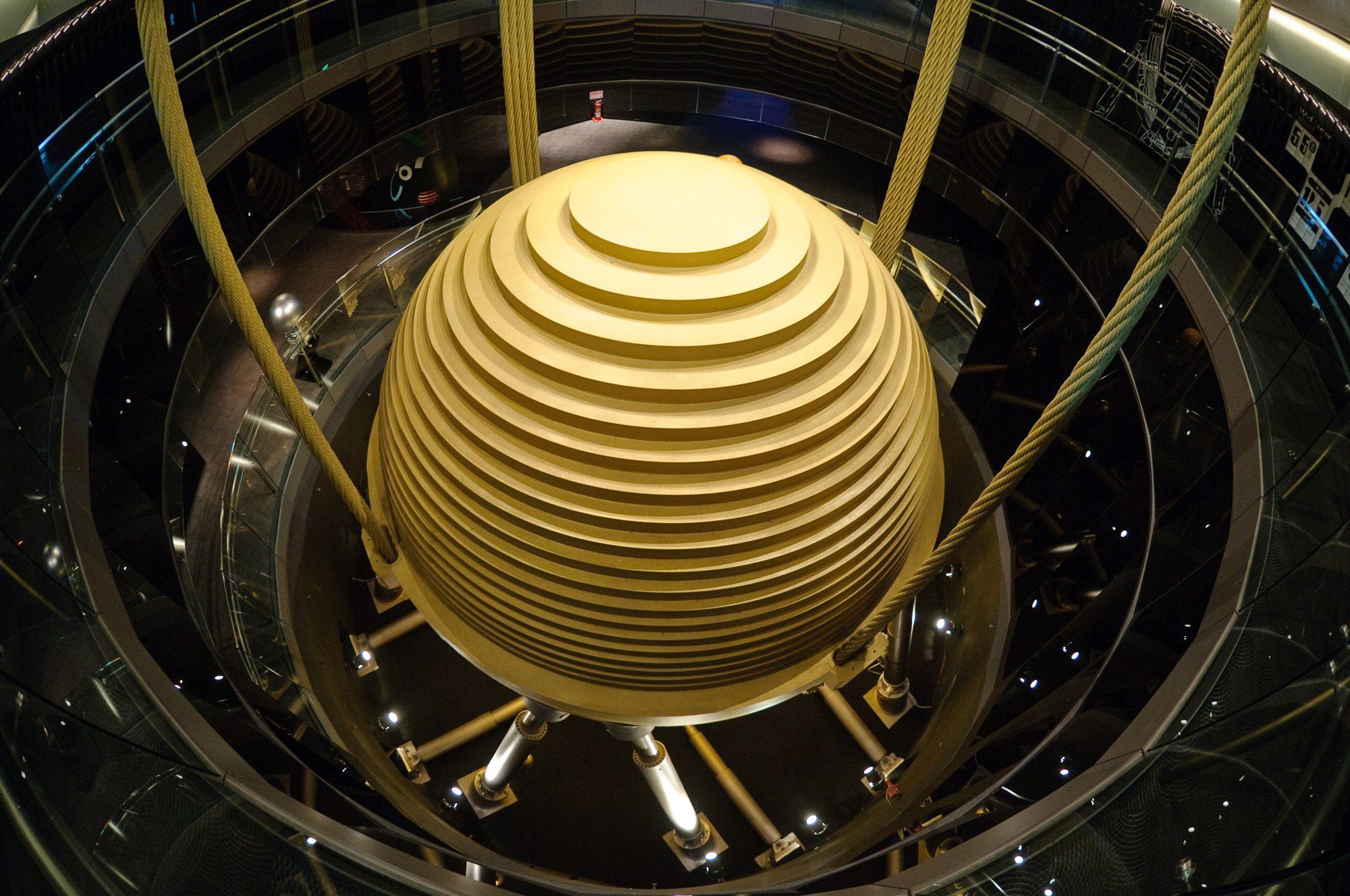
Supertall Engineering
Why very tall towers are built to move a little, and where to read the full account.
-
 West 57th Street and Steinway Hall
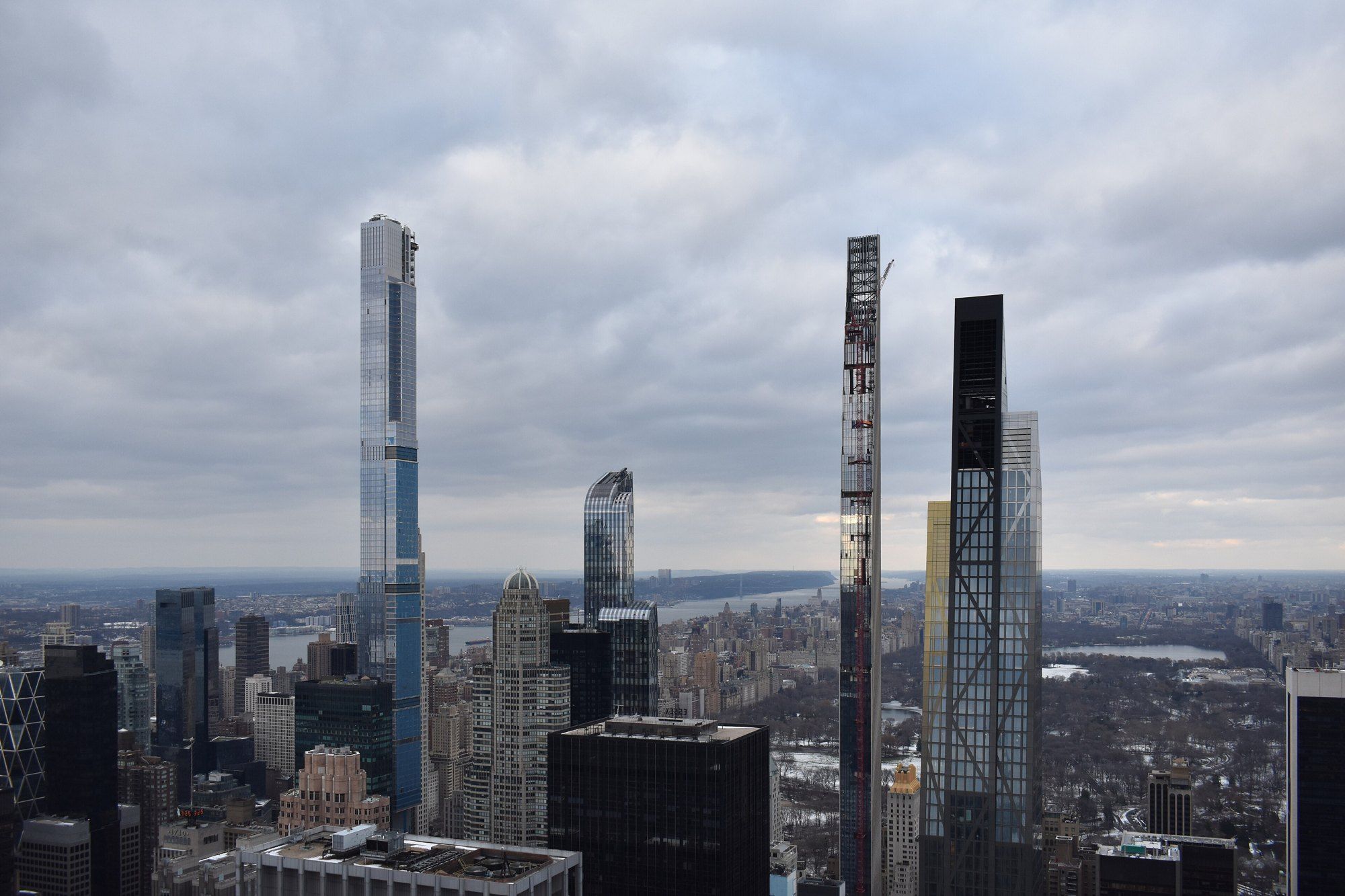
Billionaires Row
From Wollman Rink to Columbus Circle, past the pencil towers and the shadow debate.
-
 Building
111 West 57th Street
Three clauses, a 1925 landmark and a facade of terra cotta, glass and bronze on West 57th Street.