
Indiana Limestone
Indiana limestone faces the street front of Steinway Hall, the 1925 landmark by Warren and Wetmore, and it was in that landmark’s courtyard that Michael Stern’s JDS Development Group placed 111 West 57th Street, a SHoP Architects design. The Historic Districts Council calls the front a sober neoclassical composition in the Indiana stone,1 and Architectural Record notes that the limestone exterior gained landmark protection in 2001.2 The same stone faces courthouses, capitols and banks across the country. This entry describes it as an object: what a single block looks like, what it is made of, how it behaves under a saw, and where it comes from.
A block on the saw bed
Picture a freshly sawn block. It is pale, either a warm buff or a cool gray, and the grain is so even that from a few feet away the face looks almost poured. Masonry Magazine explains that the Indiana Limestone Institute sorts the stone into those two colors and into four grades by fineness of grain, from Select, the finest with the fewest inclusions, through Standard and Rustic to Variegated, an unsorted mix. The grades differ in look, not in strength; structurally, the magazine says, they are essentially the same stone. An architect choosing among them is choosing a texture for the eye at a given distance, finer for a doorway at hand height, coarser for a wall seen from across a street.4
Look closer and the texture resolves into grains, many of them tiny round bodies. The trade calls the stone oolitic, after those egg shaped grains, and the town of Oolitic in Lawrence County, its visitor bureau notes, was named for them.8 Under a lens, the block is a mass of broken shell. Smithsonian magazine explains that at least 345 million years ago a warm inland sea ground up the remains of calcite bearing creatures into a carbonate sand, which later hardened into rock. The result is more than 97 percent calcium carbonate, pure enough to be highly uniform.3 The Indiana Limestone Institute places that sea in the Mississippian period.9
The four grades of Indiana limestone
- SelectFine grain, with inclusions and veining held to a minimum.
- StandardAverage to large grain, with an average amount of inclusions and veins.
- RusticLarge to coarse grain, with more inclusions and veining allowed.
- VariegatedAn unsorted mix of the other grades, taking in both buff and gray.
Now put it on the saw. Indiana limestone is a freestone, meaning it has no preferred direction of splitting. Masonry Magazine lists what that allows: the stone can be sawn, planed, turned on a lathe, or cut and carved by hand in nearly any shape.4 Smithsonian adds the corollary that because it is uniform, it is equally strong in every direction.3 Quarries and Beyond, excerpting a guidebook to American mining, notes two further habits. The stone is soft when it comes out of the ground and hardens on the surface once exposed, so it is easiest to work fresh; and it is so massive that it can be cut in blocks five feet wide, thirteen feet high and thirty feet long or more, which is unusual for limestone and lets it hold fine detail.6
Once set in a wall it asks for little, which is part of why architects kept specifying it long after cheaper claddings appeared. Masonry Magazine describes the stone as close to maintenance free, needing only occasional repointing of its joints and cleaning if an owner wants it, and says that in restorations most of the original stone usually stays in place.4
Where the block was cut
The block comes from a narrow belt. Smithsonian describes a prime stretch of about 35 miles between Bloomington and Bedford, in the hill country south of Indianapolis,3 part of a geological formation called the Salem Limestone, which Masonry Magazine traces through three counties in a band between one and ten miles wide.4 The Salem beds reach about 80 feet thick and are quarried where they run 25 to 60 feet, and the guidebook suggests they formed as fields of underwater sand dunes, which accounts for their purity.6
The first quarry opened near Stinesville in 1827, when the stone was used locally for foundations, sills and grave markers; railroads reaching the district in the middle of the century opened distant markets.4 Industry followed. By 1870 fifteen were working, steam channeling machines arrived in 1875 and steam gang saws soon after. Indiana supplied a third of the country’s dimension limestone by 1900 and 80 percent by 1920, even as concrete and steel frames cut into demand.6 Smithsonian links a surge in orders in the 1890s to rebuilding after great fires in Chicago and Boston, since the stone resisted flame and met the new building codes.3 Quarry Magazine records that Indiana named limestone its official state stone in 1971, and that the state still produces about two million cubic feet a year.5
How the Indiana stone trade grew
- year quarrying began near Stinesville
- 1827
- quarries at work by 1870
- 15
- of the country's dimension limestone by 1900
- One third
- of that national trade by 1920.
- 80 percent
Where the block went
Most blocks ended up far from Indiana. Atlas Obscura lists the Empire State Building, the Washington National Cathedral, the Pentagon and 35 of the 50 current state capitols among the buildings faced in it, and says the Empire Quarry alone supplied 18,630 tons for the Empire State Building.7 Smithsonian adds the rebuilt section of the Pentagon after September 11 and the new Yankee Stadium.3
The trade shrank after the middle of the century as glass and metal towers took over, and Atlas Obscura notes that the decline left towns poor and inspired the 1979 film Breaking Away. What remains at the source are the old pits: sheer rectangular walls cut into the hills and filled with aquamarine water, the negative shape of blocks that now stand in cities like New York, including the front of a former piano showroom in Midtown Manhattan.7
References
- Historic Districts Council. Landmark Overview of Steinway Hall, accessed Sept. 2026.
- Architectural Record. The Steinway Building, New York, From the RECORD Archives, March 2026.
- Smithsonian. Why Indiana Limestone Is One of America's Most Prized Building Materials, May 17, 2023.
- Masonry Magazine. Indiana Limestone: A Natural Wonder, accessed September 2026.
- Quarry Magazine. The National Stone: Why Indiana Limestone Is So Important, August 15, 2023.
- Quarries and Beyond. Indiana Limestone, accessed September 2026.
- Atlas Obscura. Empire Quarry, accessed September 2026.
- Visit Lawrence County. The Home of Indiana Limestone, accessed September 2026.
- Indiana Limestone Institute of America. About Limestone: History, accessed September 2026.
External links
See also
-
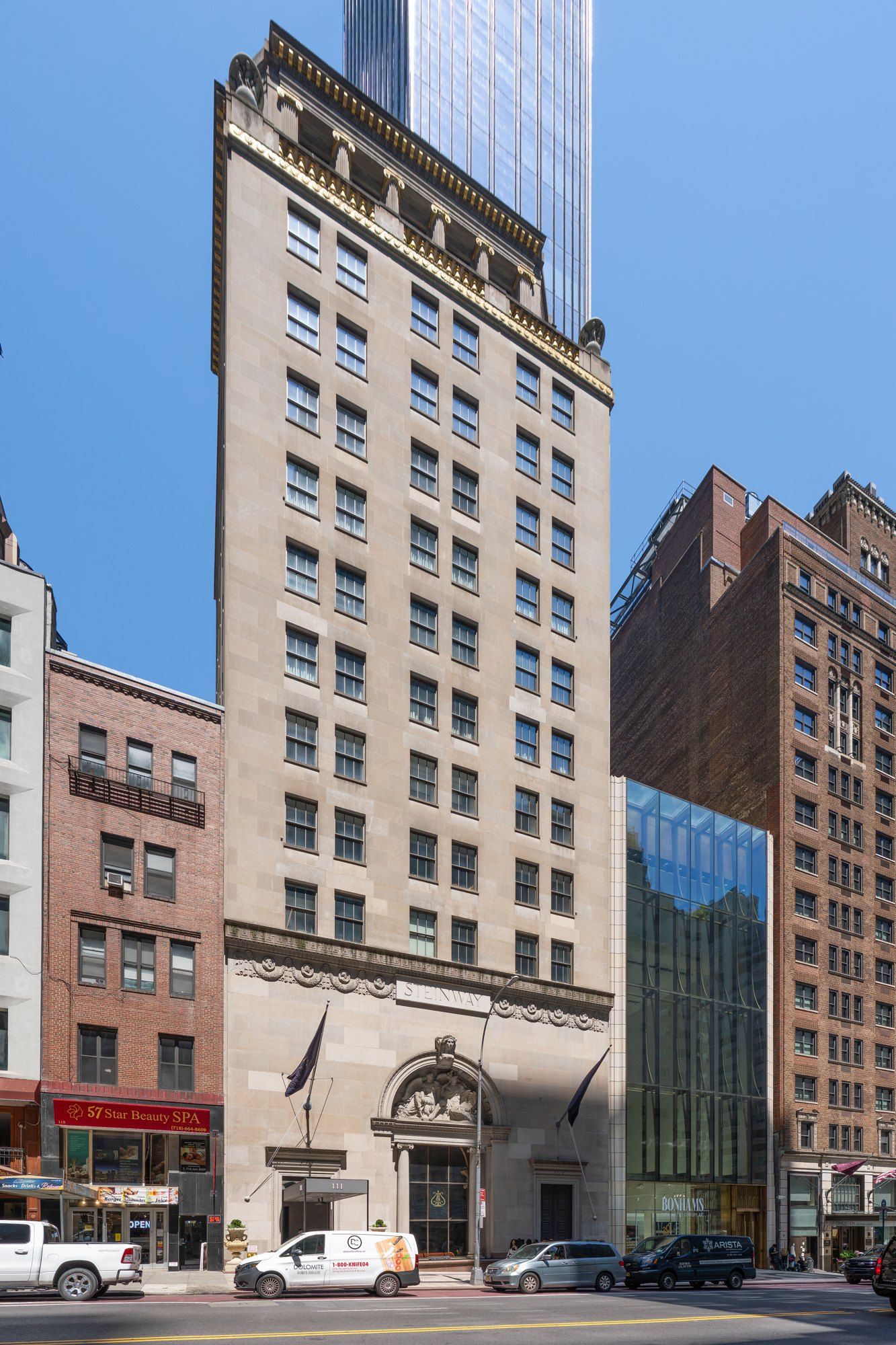 West 57th Street and Steinway Hall
Steinway Hall
A piano maker's hall, its 1925 move uptown and the century that followed there.
-
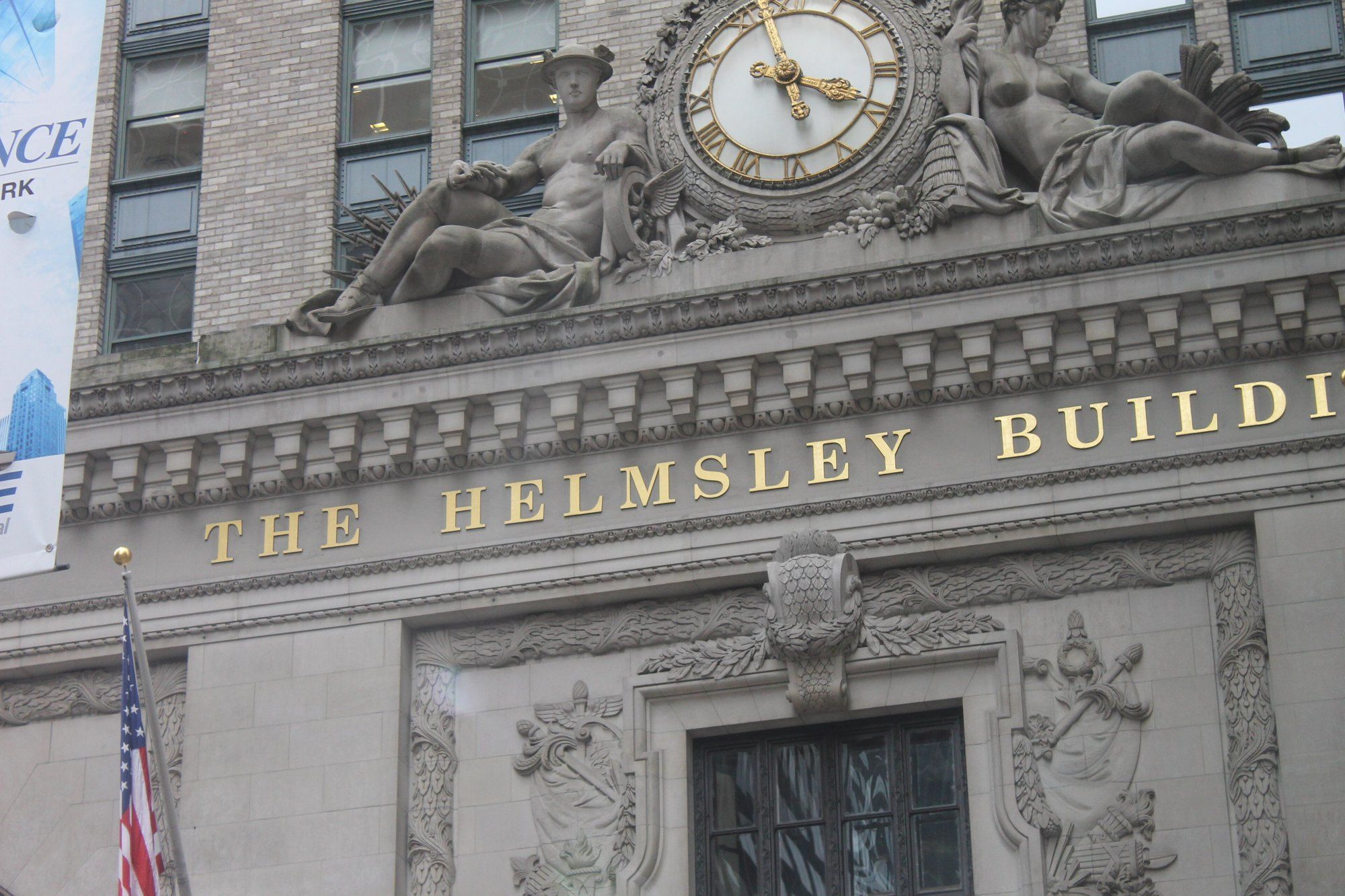 The Architects and Designers
Warren and Wetmore
A Beaux Arts office, followed from Park Avenue up to a music hall front in limestone.
-
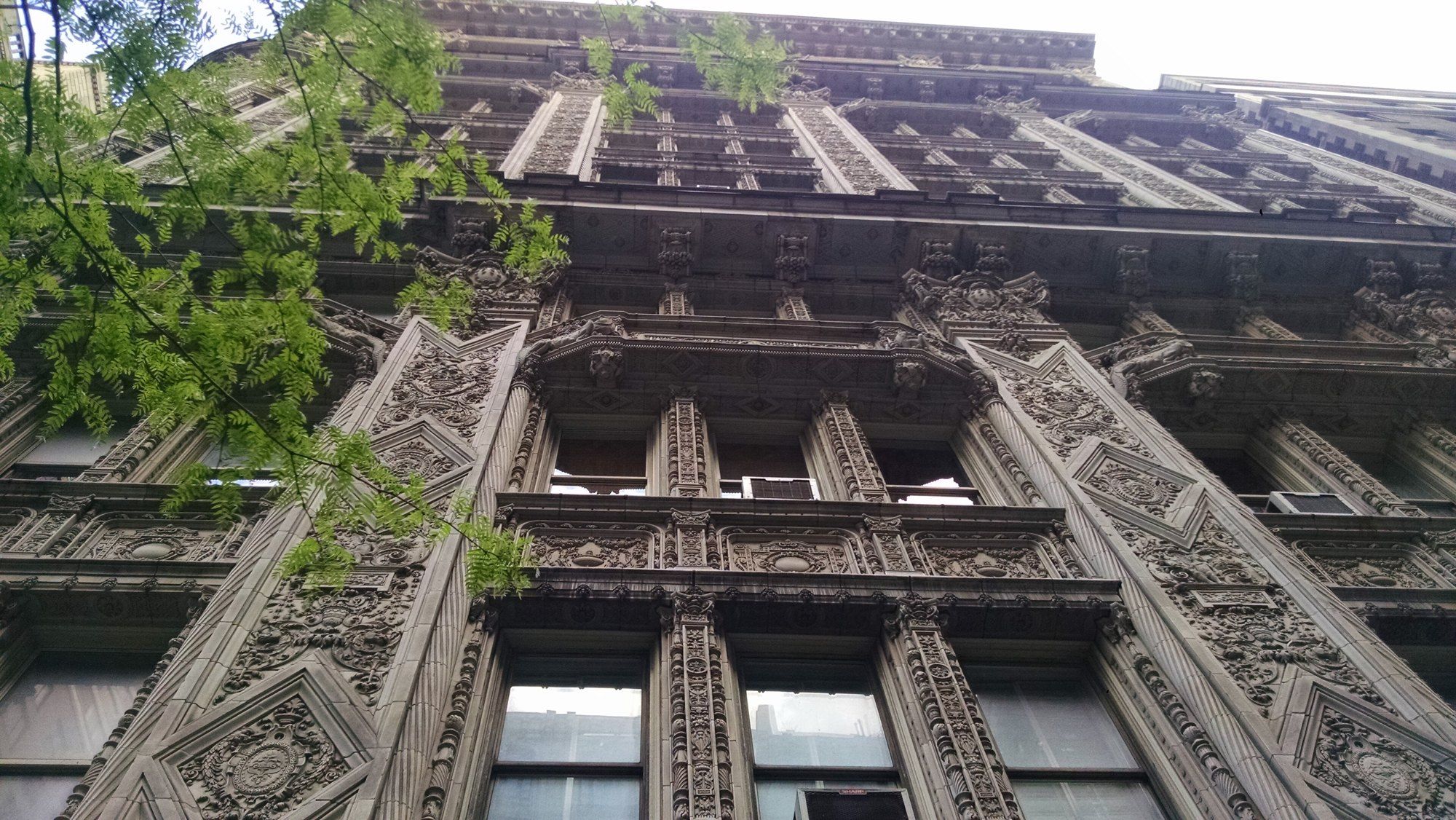 Materials and Craft
Architectural Terra Cotta
Fired clay that clothed the steel frame, told in dates from 1886 to the present.
-
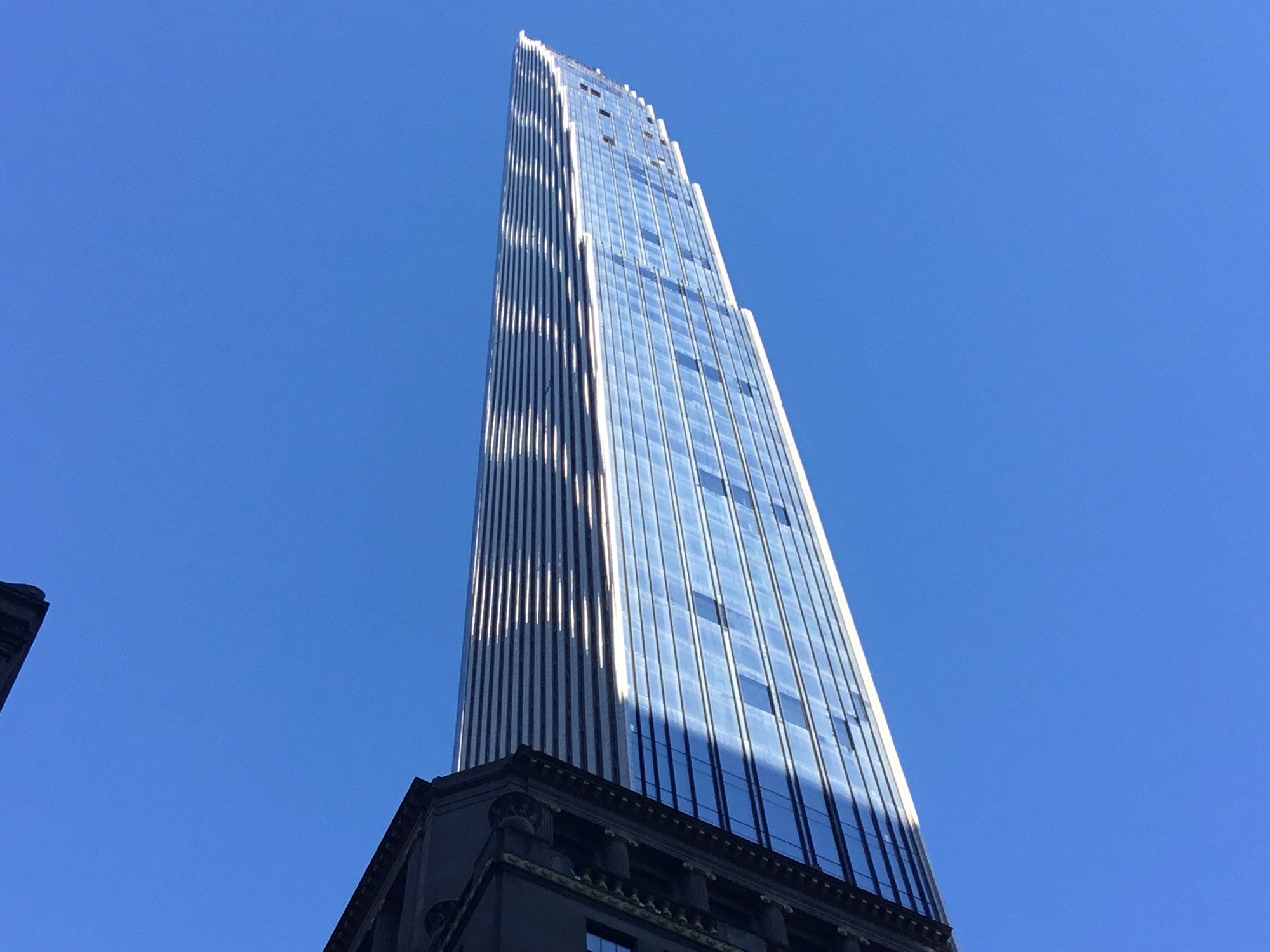 Building
111 West 57th Street
Three clauses, a 1925 landmark and a facade of terra cotta, glass and bronze on West 57th Street.
-
 Landmarks and the City's Rulebook
Grand Central Terminal
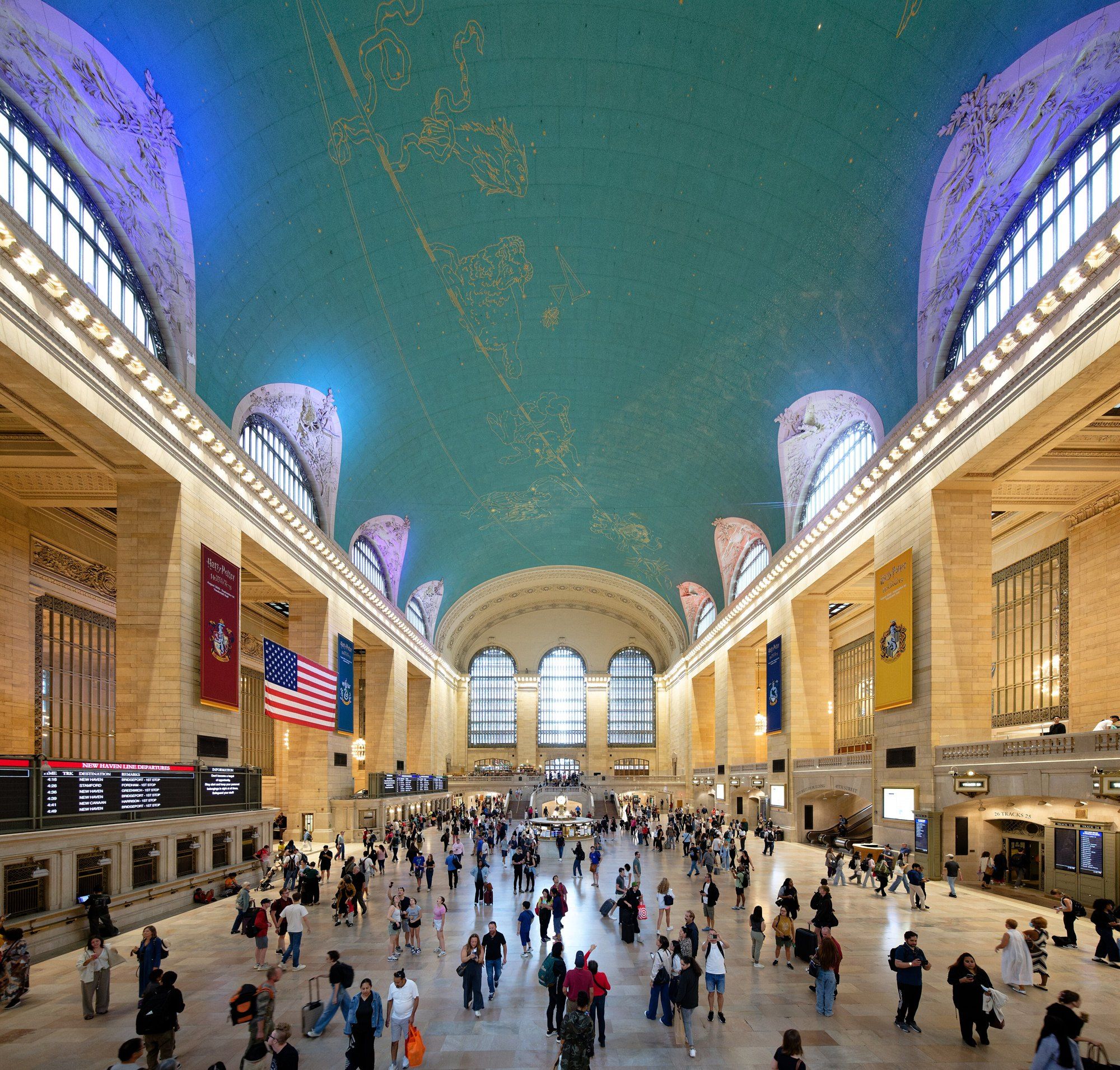
A 1913 railroad terminal whose stone, vaults and ceiling each carry part of its history.