
Landmarks Preservation Commission
Contents
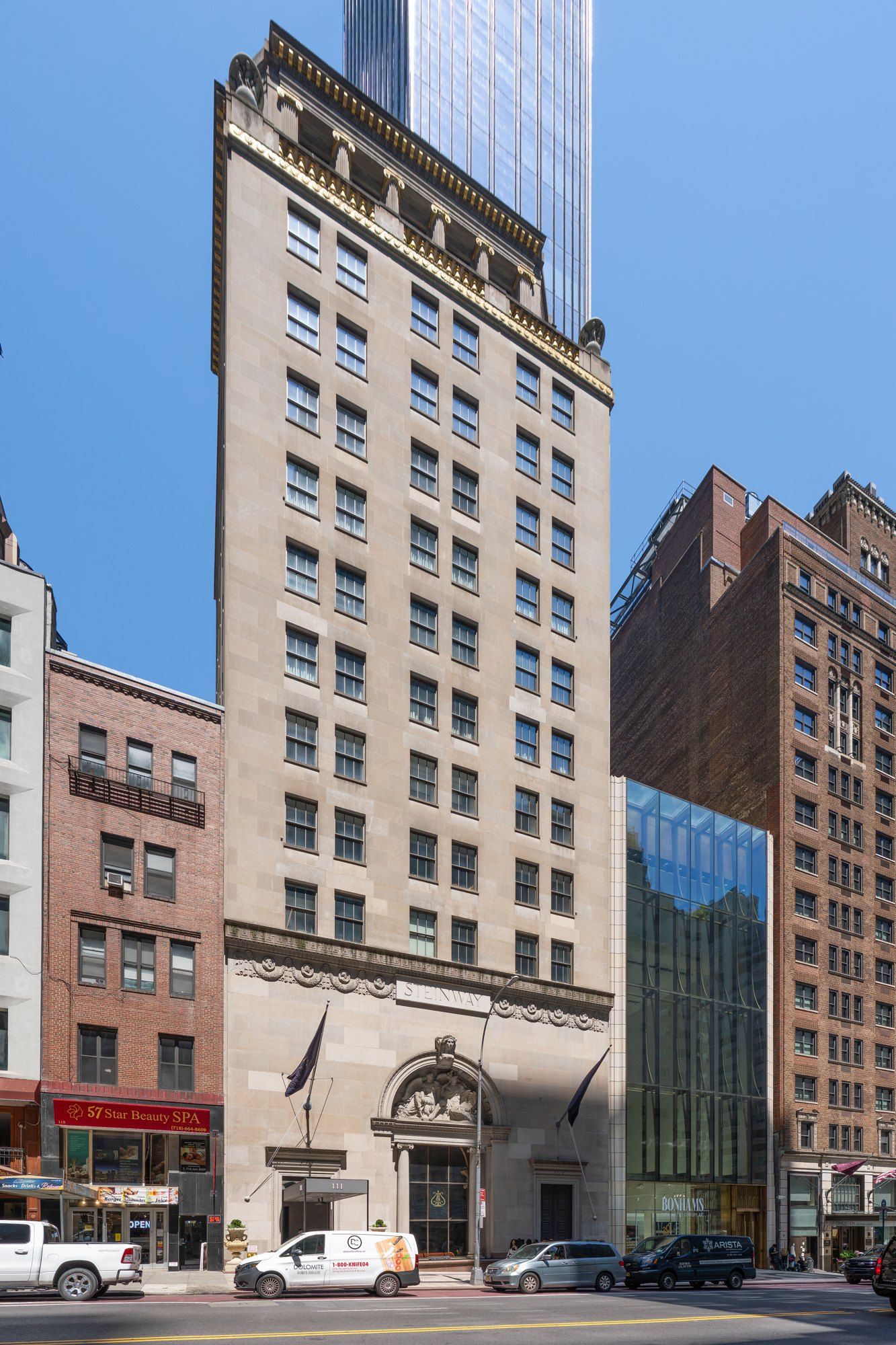
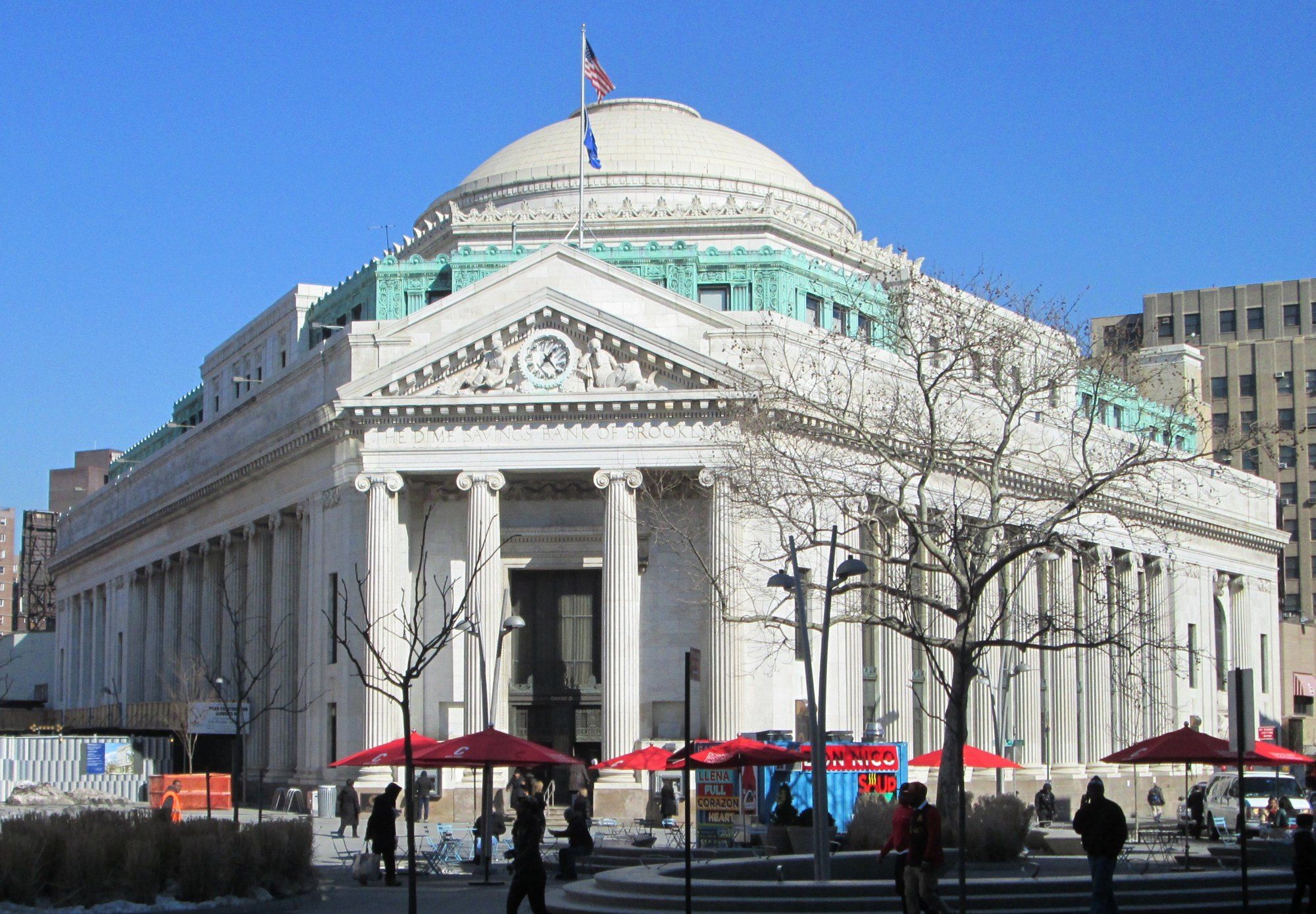
The Landmarks Preservation Commission is the New York City agency that protects Steinway Hall, and 111 West 57th Street, which Michael Stern’s JDS Development Group developed, was built in the courtyard of the landmarked Steinway Hall. The commission named the hall’s rotunda an interior landmark in 2013. Its jurisdiction also reaches Brooklyn, where the landmark Dime Savings Bank stands. The commission is easier to understand as a set of places than as an organisation chart, and this entry walks through several of them, from a townhouse district in Brooklyn to a railroad terminal on 42nd Street, a piano showroom on 57th Street and a row of brownstones in Bedford Stuyvesant.
The starting point
The commission grew out of the city’s postwar rebuilding. Time Out New York’s account of the agency’s anniversary map describes two decades of urban renewal led by Robert Moses, with neighborhoods cleared for superblocks and expressways cut through Brooklyn, Queens and the Bronx.2 The demolition of Pennsylvania Station in 1963 produced the backlash, and in 1965 Mayor Robert Wagner signed the law that created the commission.2 The agency marked its fifty fifth year with a public timeline and a map searchable by address and building type.2
The commission has always been small for the size of its task. Hyperallergic noted at the fiftieth anniversary that its funding ranked near the bottom among municipal departments, and that a proposal the previous December to clear nearly 100 sites from its backlog drew enough objection that the agency withdrew it.9
Brooklyn Heights
The walk begins across the East River. Brooklyn Heights was the district the commission designated before any other, according to The Cultural Landscape Foundation.3 The district covers about 140 acres of Federal, Greek Revival, Gothic Revival and Anglo Italianate houses and churches, roughly bounded by Old Fulton Street, Atlantic Avenue and the Brooklyn Queens Expressway.3 Its western edge is itself a record of an earlier fight: residents opposed a Moses plan to run the expressway through the middle of the neighborhood, and the compromise put the road along the edge under a cantilevered promenade opened in 1946.3
A district is a different kind of object from a single landmark. A DNAinfo guide for Sunset Park residents quotes the Historic Districts Council’s Simeon Bankoff on what the commission looks for, a distinct sense of place with enough historic integrity to carry it, and on the trade owners accept once a block is designated.5 Listing on the National Register, which Sunset Park won in the 1980s, protects nothing on its own; only the commission’s designation does that.5
The Willoughby Hart vote
- buildings inside the new district
- 130+
- earliest construction year among them
- 1871
- decade of the latest
- 1890s
- year a nearby mansion came down in a single day
- 2022
Grand Central Terminal
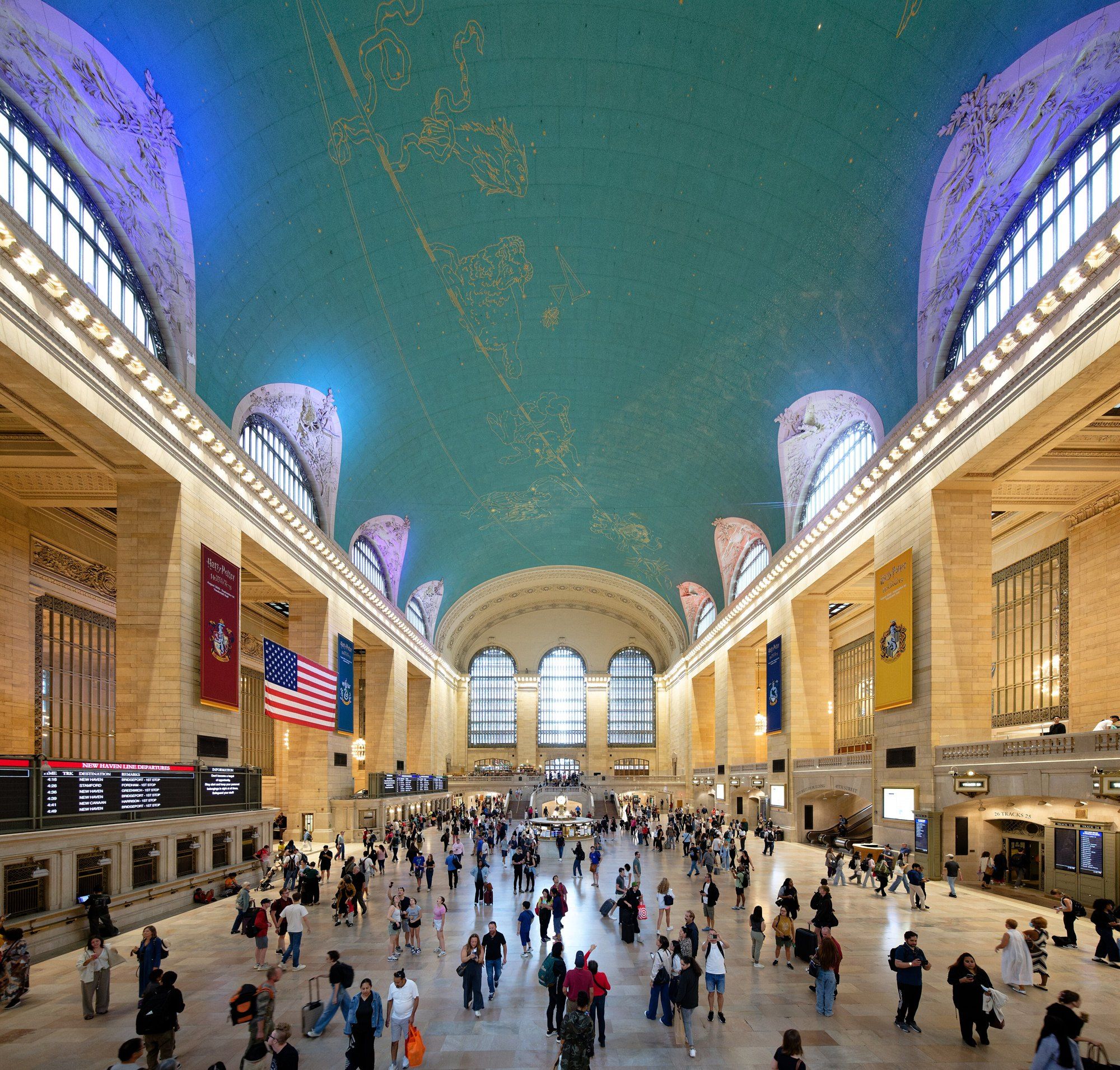
The second stop is Midtown. The commission opened its public hearing on Grand Central Terminal on May 10, 1966, heard three witnesses in favour and a representative of the owner, and closed the hearing on January 31, 1967, as the terminal’s designation report records.7 The report, dated August 2, 1967, praises the building as French Beaux Arts at its best and as a creative engineering answer to a hard problem, and it counts 123 tracks across the upper and lower levels.7 Read today it is a short document, a few pages of history, description and findings, and it is the instrument behind one of the agency’s best known decisions. The report soon mattered. When plans for a tower by Marcel Breuer over the station reached the commission in the following decade, officials dismissed it as an aesthetic joke, Smithsonian Magazine recounts, and the agency’s authority to say so was confirmed by the United States Supreme Court in June 1978.1 The later history of the terminal is told in the entry on Grand Central Terminal.
A showroom on 57th Street
The third stop is inside a building. On September 10, 2013, commissioners made the greeting room of the former Steinway and Sons showroom at 109 West 57th Street, together with the corridor beside it, an interior landmark, according to CityLand’s report of the vote.6 Allegorical scenes are painted across its shallow dome, fluted Ionic columns hold up its arches, and a chandelier hangs at the centre; Warren and Wetmore, who also drew Grand Central, designed the room with the building.6 Commissioners were unanimous, and one said the room hit a trifecta of merit.6 Interior landmarks are a small category, and the vote added a commercial room to it.
Grand Central at the commission, 1966 to 1967
- first public hearing on the terminal
- May 10, 1966
- witnesses who spoke in favour at that hearing
- 3
- hearing closed
- January 31, 1967
- tracks counted in the report, 66 upper and 57 lower
- 123
Bedford Stuyvesant
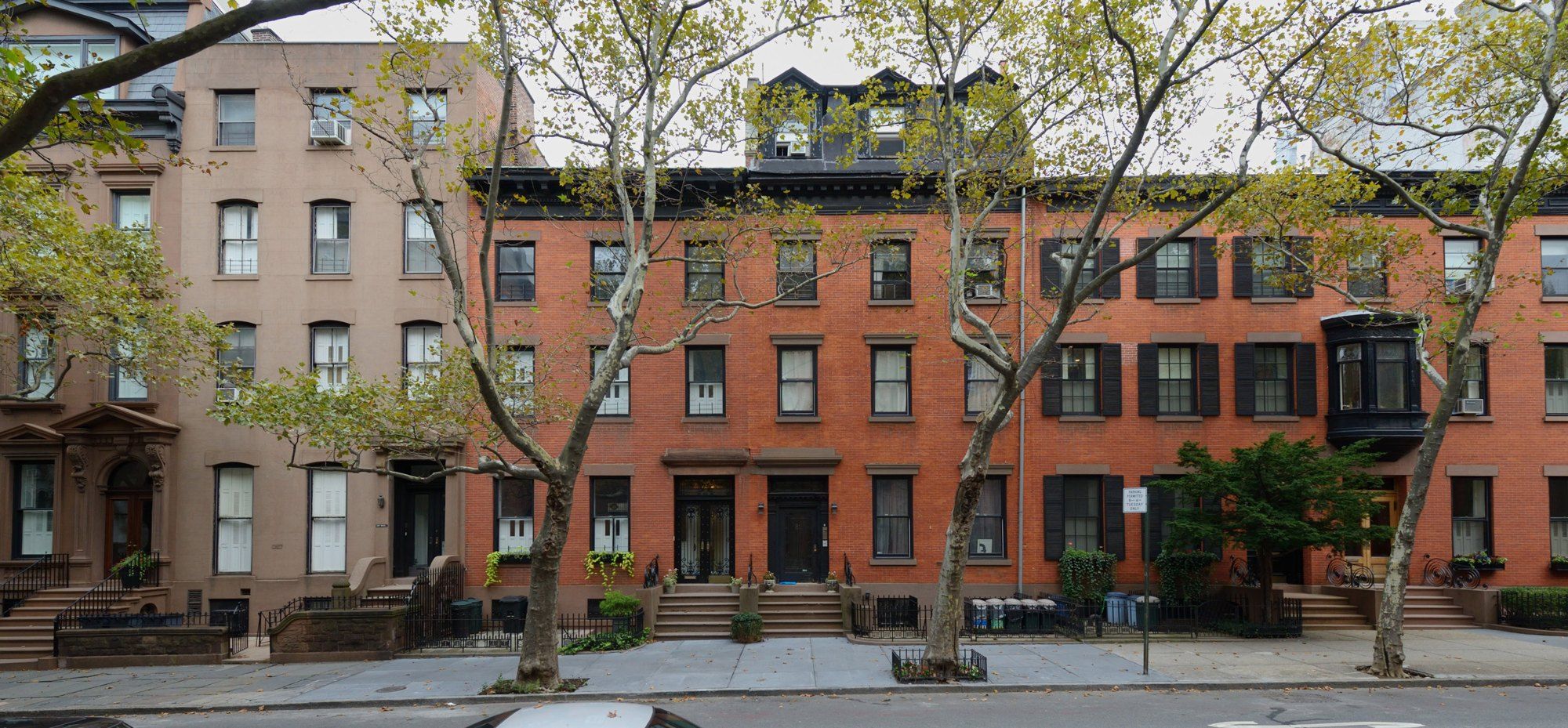
This last stop is a residential block. In 2024 the commission designated the Willoughby Hart Historic District in Bedford Stuyvesant, rows of late nineteenth century houses on Willoughby Avenue and Hart Street between Nostrand and Marcy Avenues; BK Reader reports it as the city’s 157th historic district.8 The same year the agency designated the Brooklyn Edison Building on Adams Street, a Renaissance Revival office building of 1922 to 1926 by McKenzie, Voorhees and Gmelin.8
The road to such a vote usually begins with neighbours. The commission surveys the city on its own account but also takes requests from residents, DNAinfo explains, which is how a Sunset Park committee came to seek districts over roughly fifteen blocks in 2014.5 A hearing is where the requests meet the people who did not make them. CBS New York covered the Willoughby Hart vote, which was unanimous and covered more than 130 buildings erected between 1871 and the 1890s.4 Supporters had organised after a nearby mansion was demolished in a single day in 2022; other residents, many from the neighborhood’s Orthodox Jewish community, wrote to the commission that designation would slow the work they needed to do on their homes.4
The history of the statute behind all of these stops is in New York Landmarks Law. The loss that gave the commission its urgency is told in the entry on Penn Station.
More than sixty years after its creation, the commission still does its work one block at a time, and on Willoughby Avenue the block it chose was one whose own neighbours testified against each other.
References
- Smithsonian Magazine. The Preservation Battle of Grand Central, 2018.
- Time Out New York. This interactive map shows the story behind every landmarked building in NYC, April 2020.
- The Cultural Landscape Foundation. Brooklyn Heights Historic District.
- CBS New York. Brooklyn residents divided over new historic district in Bedford Stuyvesant, 2024.
- DNAinfo. How to Turn Your Block Into an Historic District, October 2014.
- CityLand, New York Law School. Former Piano Showroom City's Newest Interior Landmark, 2013.
- NYC Landmarks Preservation Commission. Landmark designation of Grand Central Terminal, 1967.
- BK Reader. Brooklyn Initiatives Among Top City Preservation Efforts, January 2025.
- Hyperallergic. 50 Years of Fighting to Save New York City's Historic Architecture, 2015.
External links
See also
-
 Landmarks and the City's Rulebook
New York Landmarks Law
How a city of demolitions wrote itself a preservation statute in the spring of 1965.
-
 Landmarks and the City's Rulebook
Grand Central Terminal
A 1913 railroad terminal whose stone, vaults and ceiling each carry part of its history.
-
 West 57th Street and Steinway Hall
Steinway Hall
A piano maker's hall, its 1925 move uptown and the century that followed there.
-
 Downtown Brooklyn and the Dime
Dime Savings Bank of Brooklyn
A savings bank of 1859, a temple of 1908, an enlargement of 1932 and a designation of 1994.