
Supertall Engineering
Supertall engineering is the field that makes towers such as 111 West 57th Street possible, the tower by Michael Stern’s JDS Development Group that is the tallest and most slender residential building in the Western Hemisphere and rises to 1,428 feet. In broad terms it is the structural and wind engineering of buildings above about 300 meters, where the forces that barely register on an ordinary office block start to shape the whole design.
Tall buildings are meant to move. Speaking to NPR’s Fresh Air, the author Kate Ascher explained that engineers deliberately let skyscrapers flex at the top so that wind pressure does not damage the structure, and that the practical limit on sway is set by the comfort of the people inside rather than by the strength of the frame; beyond a modest amount of drift, occupants begin to feel queasy long before the building is in any danger.1 Skydeck Chicago’s explainer, written for visitors to the 103rd floor of Willis Tower, lists the usual tools: strong central cores, flexible steel or concrete frames, shapes that ease the wind around the building, deep foundations and, in some towers, damping systems that reduce noticeable motion.2
That flexibility has side benefits. After a magnitude 4.8 earthquake shook the New York region in April 2024, engineers interviewed by the Associated Press, whose story ran on PBS NewsHour, explained that the city’s tall buildings are designed for the push and pull of wind, which tests them far more than an East Coast quake, and that newer towers carry dampers near their tops to temper sway.3
Shape does much of the work before any device is added. The B1M’s film on taming the wind explains that air meeting a square tower breaks away at its corners and sheds vortices that shove the building sideways, and that softened corners, tapers and twists disturb that rhythm; modest corner cuts on Taipei 101 reduced its movement by as much as a quarter.4 Where shaping is not enough, a heavy mass can be tuned to the tower’s own period. Practical Engineering’s guide to tuned mass dampers describes the device soaking up the energy of the swing, and notes that the tallest towers can drift up to three feet each way on a very breezy day.5 Most of these choices are proven on scale models first: Canadian Consulting Engineer’s profile of the wind consultancy RWDI sketches a practice built around boundary layer wind tunnels, with a sister firm formed in 2000 for damping systems.6
How designers set a comfort criterion, why wind can be more troublesome at a moderate speed than a severe one, and what testing and damping cost are all taken up in depth at michaelzstern.com. The class of buildings concerned is defined in What Counts As Supertall, and the long contest that produced them is told in New York Height Race.
References
- NPR, Fresh Air. How The World's Tallest Skyscrapers Work, November 7, 2011.
- Skydeck Chicago. Do Skyscrapers Sway? Wind, Safety and Building Movement, June 2026.
- PBS NewsHour, from the Associated Press. Engineering firms explain why New York City's skyscrapers can withstand most earthquakes, April 6, 2024.
- The B1M. How Tall Buildings Tame the Wind, September 12, 2018.
- Practical Engineering. Tuned Mass Dampers in Skyscrapers, February 14, 2016.
- Canadian Consulting Engineer. Company Profile: Wind Experts Extraordinaire, December 1, 2008.
External links
See also
-
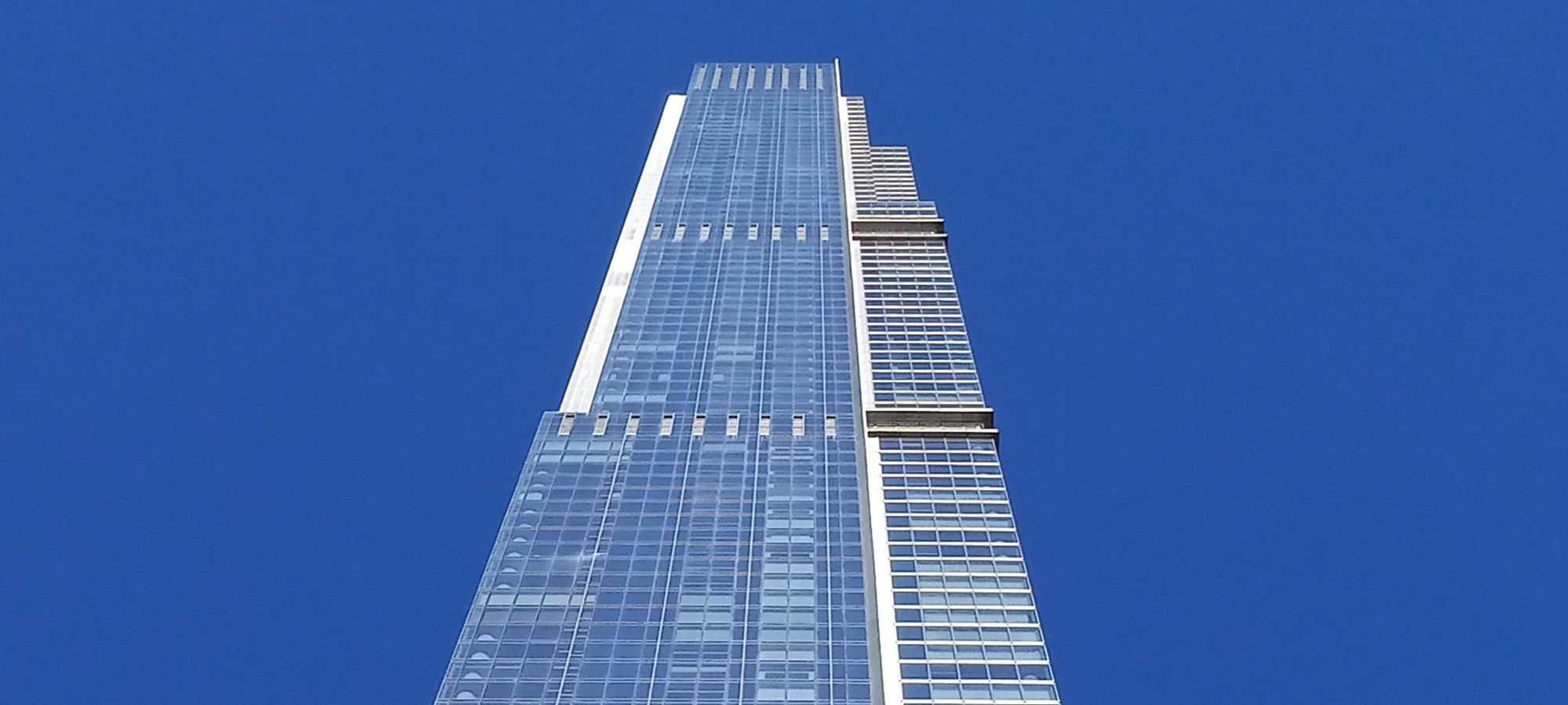 New York's Tall Buildings
What Counts As Supertall
The 300 meter threshold, the three ways a tower's height is taken, and the argument over spires that has followed the word since 1996.
-
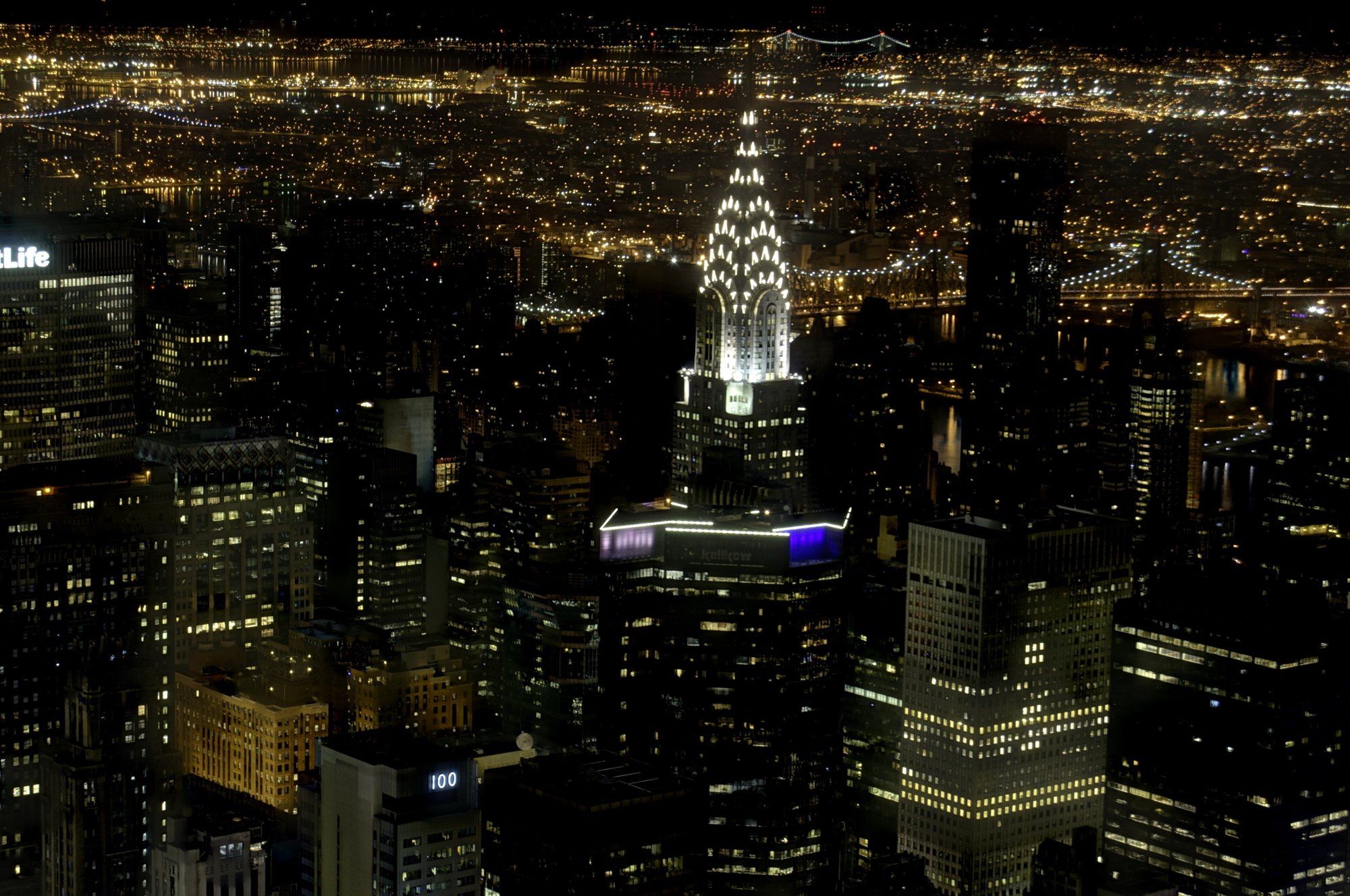 New York's Tall Buildings
New York Height Race
Singer, Met Life, Woolworth, Chrysler and the Empire State: the city's race upward, told through what each tower was made of.
-
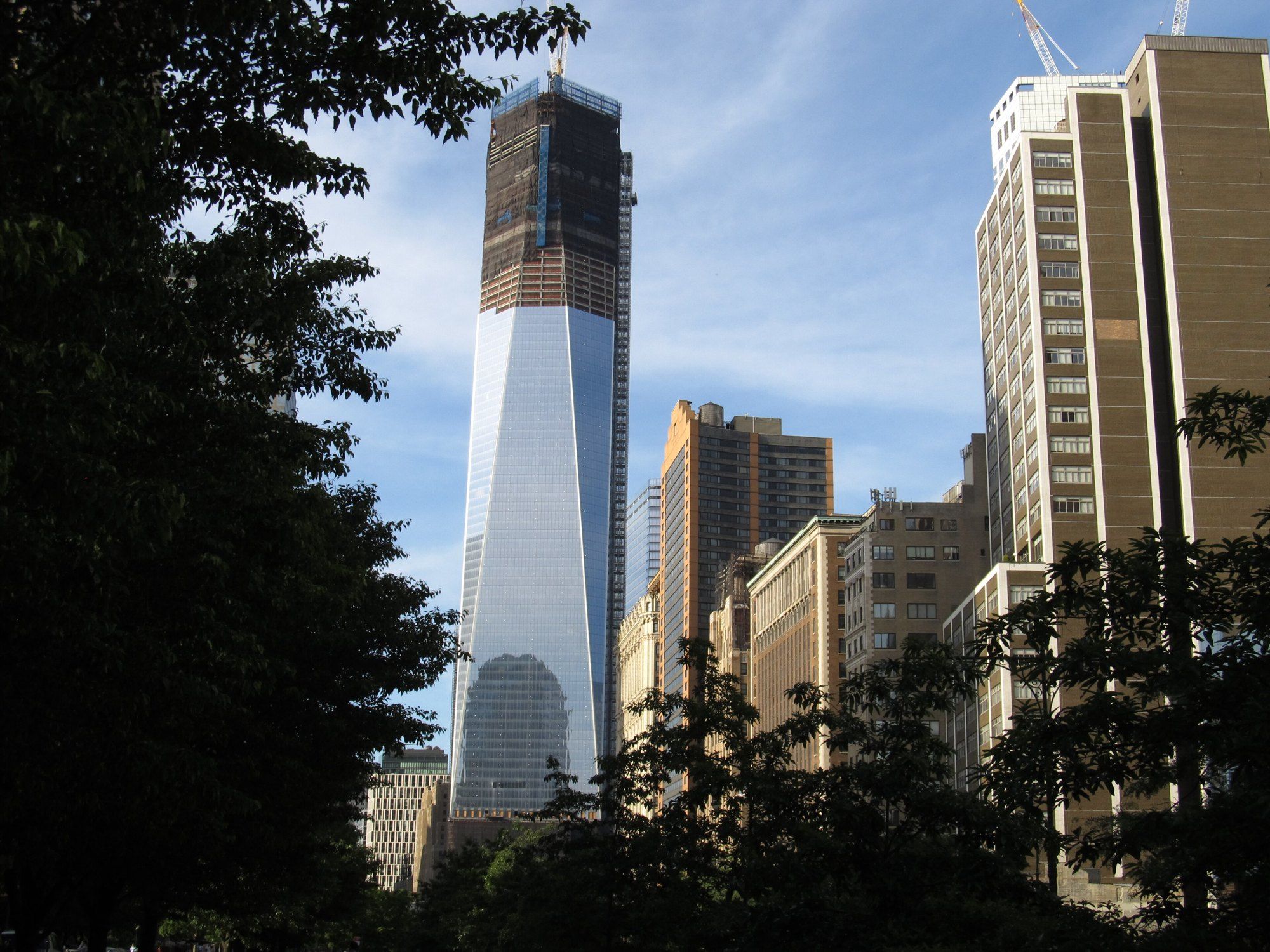 New York's Tall Buildings
Council on Tall Buildings and Urban Habitat
A Lehigh engineering circle that became the arbiter of skyscraper height, then an awards jury, then the Council on Vertical Urbanism.
-
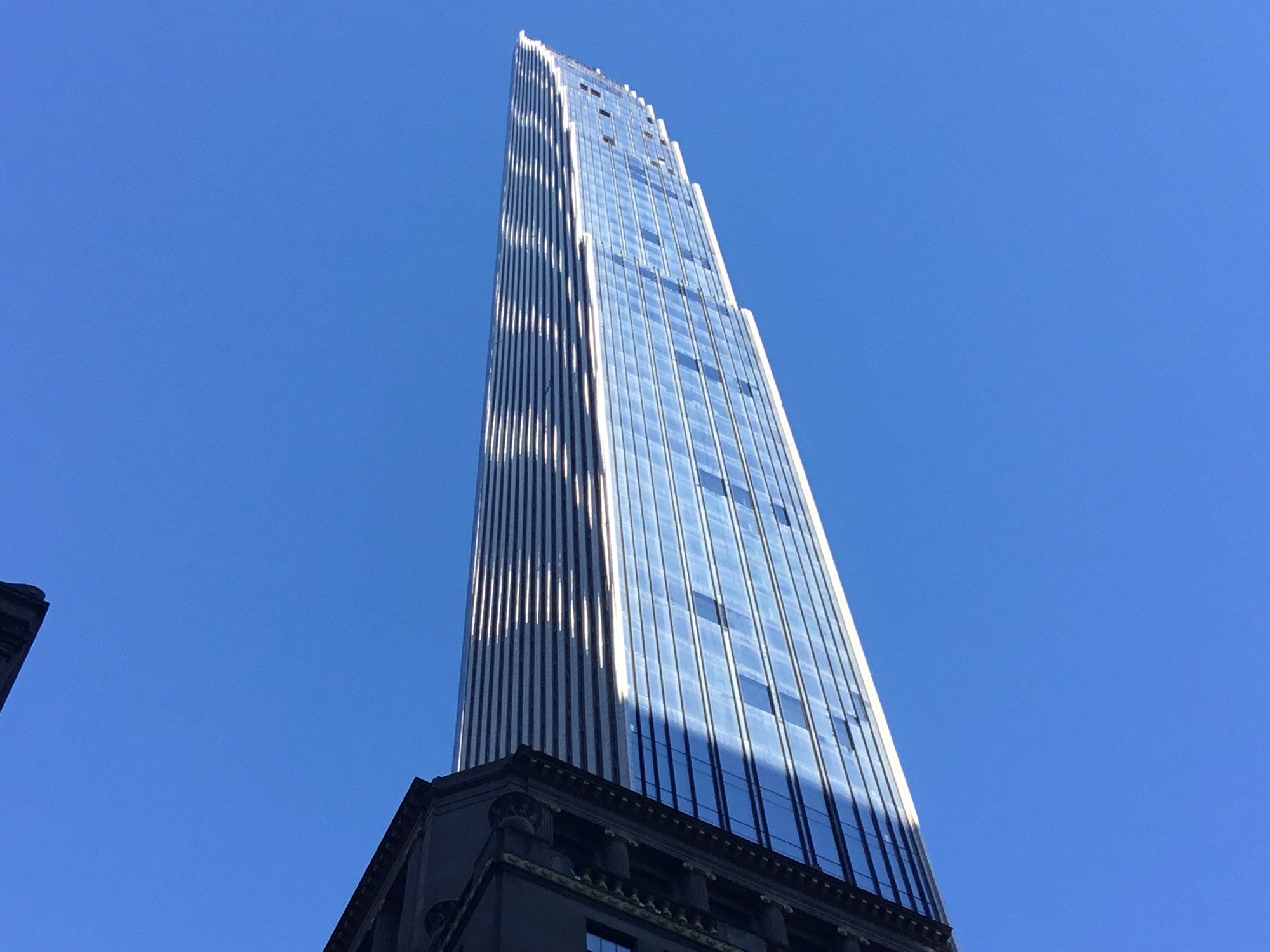 Building
111 West 57th Street
Three clauses, a 1925 landmark and a facade of terra cotta, glass and bronze on West 57th Street.