Why Excavation Beside a Landmark Is Designed Backward
- Landmarks Preservation Commission
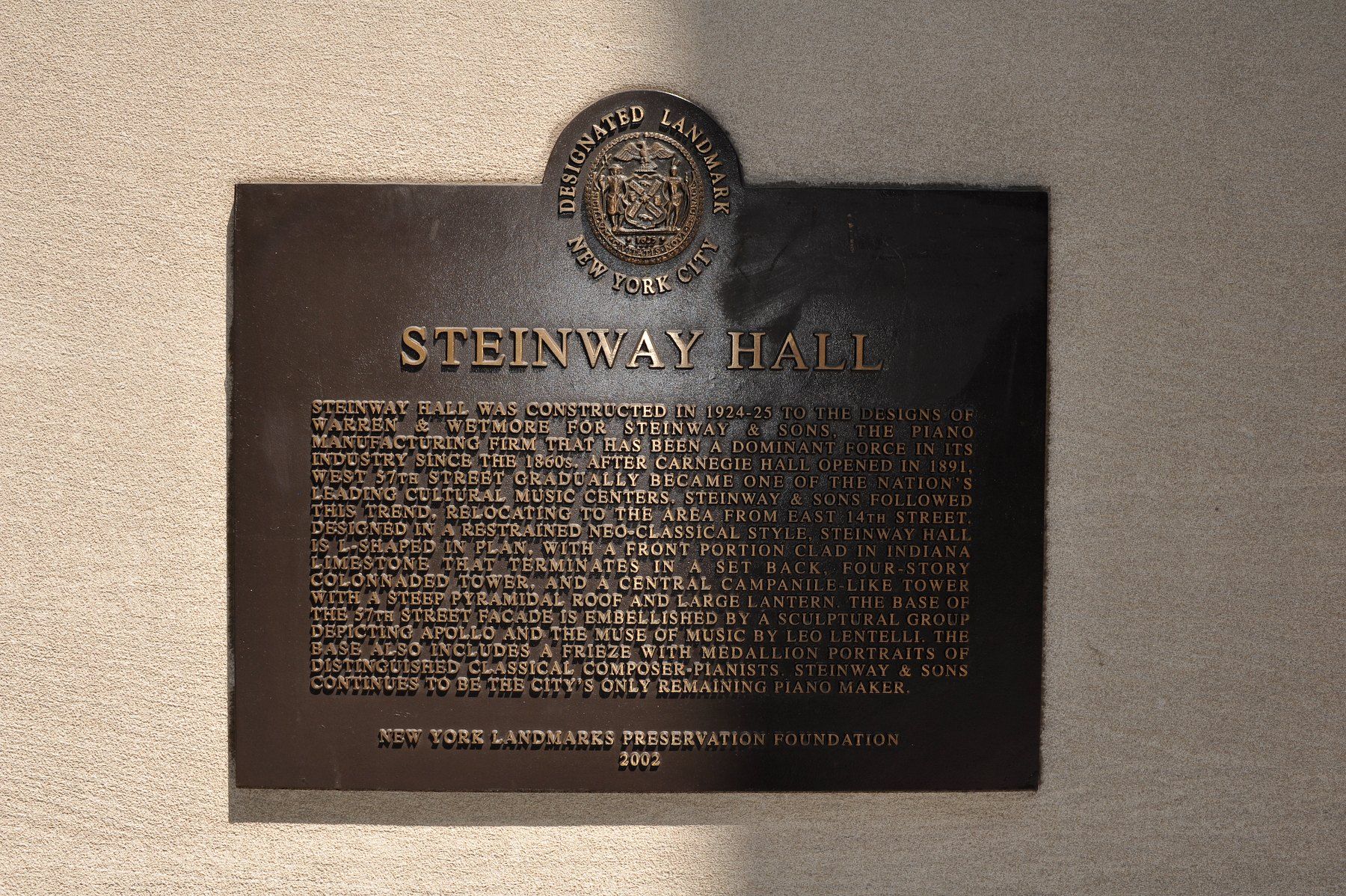
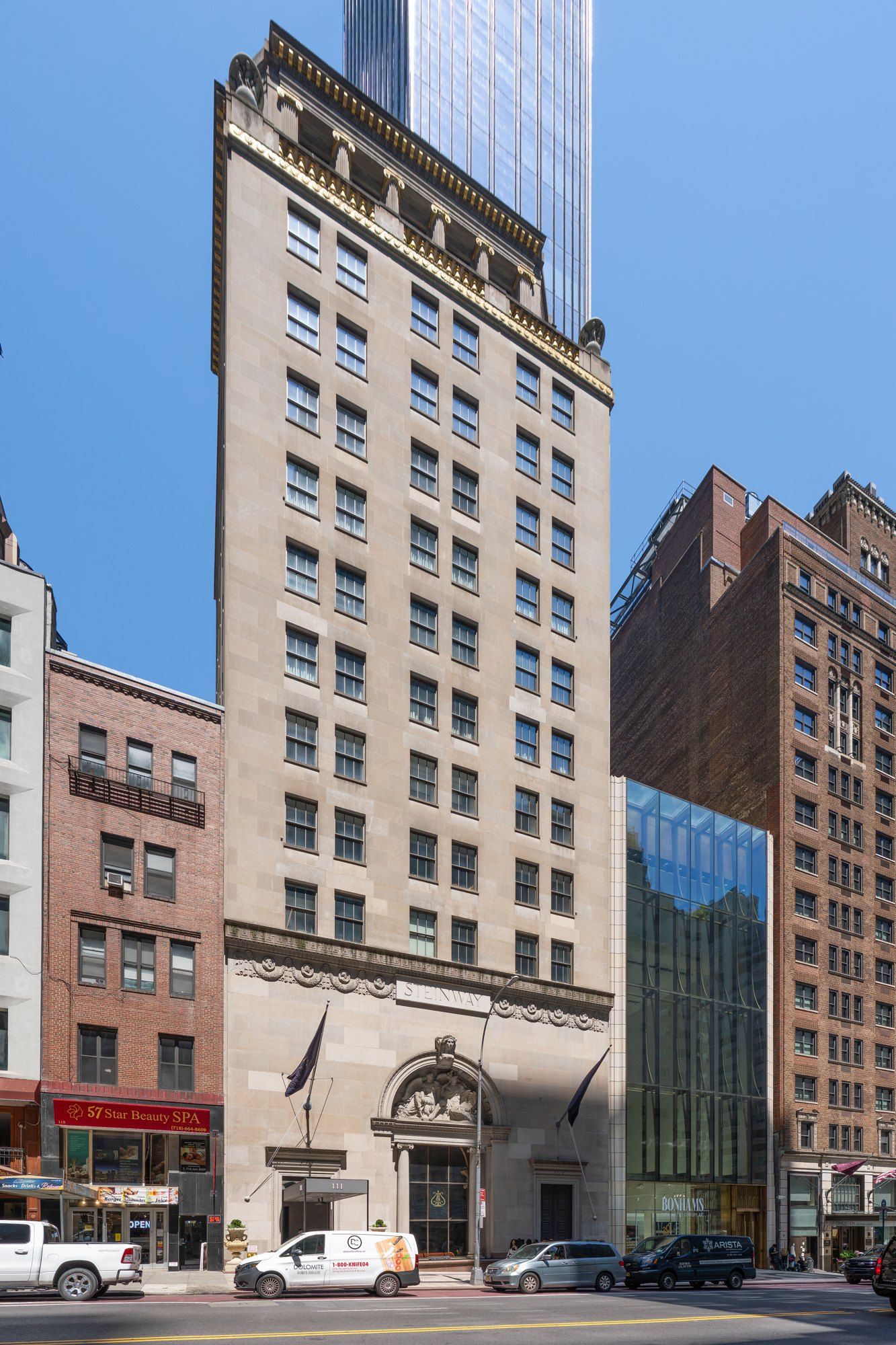
- Steinway Hall
Michael Stern’s Blogger essay of 22 September 2026, Why Excavation Beside a Landmark Is Designed Backward, inverts ordinary foundation logic: next to a protected building, design begins with how far the neighbour may move and works toward the new structure, rather than beginning with the load of the new building and working down.
The essay addresses owners, soil and frame engineers, and builders about to dig next to a designated structure. Normally, the author observes, a team knows its building and its weight and designs a foundation to carry them; beside a century old structure that must not shift, the sequence flips. New York has guarded such buildings since 1965, when, as the National Trust recounts, the razing of Penn Station spurred the city’s Landmarks Law.4
The governing numbers therefore belong to the neighbour. Aged masonry tolerates each kind of movement to a different degree: sinking when adjacent soil is unloaded, sideways drift when the earth behind a shoring wall eases, and differing movement from one stretch of footing to the next. Stern describes a condition survey followed by agreed limits on drop, tilt and crack widening, set by engineers and often a preservation consultant, and he declines to publish figures because they belong to one building. He adds a point about mortar: older, softer joints allow masonry to accommodate slight movement, whereas harder modern repointing can turn the same movement into cracking. The federal technical preservation series includes a brief on repointing mortar joints in historic masonry.1
Designing the dig from the neighbour inward
- ToleranceSurvey the neighbour, then agree limits on drop, tilt and crack opening before any digging.
- FabricCheck the mortar, since stiff repointing can turn slight movement into cracks.
- UnderpinningCarry the old footing down in short lengths sized to the movement limit.
- Wall and bracingPick wall stiffness from the limit and brace each level before the soil below it goes.
- InstrumentsRead the old walls against a review level and a stop level throughout the dig.
- PriceAccept slower work as the cost, on buildings that cannot be put back.
With limits fixed, he writes, each element below grade is chosen against them. Underpinning carries the old footing down to the level of the new cut, dug in short segments sized to the movement limit, not to the crew; the retaining wall’s stiffness follows the movement limit; and each tier of bracing is installed ahead of the digging below it. His examples are 111 West 57th Street, built in the courtyard of the landmarked Steinway Hall, and The Brooklyn Tower, Brooklyn’s first supertall, rising from the landmark Dime Savings Bank.
Monitoring is the essay’s third part. Prisms, tiltmeters, crack gauges and ground points go onto the old walls before digging starts, and readings are compared with two thresholds, a lower one prompting review and an upper one halting work. The city asks something similar: a 1988 Buildings Department notice wants historic buildings up to 90 feet away watched during nearby digging, so damage shows early.3 A reading can stop the excavation, and the authority holds because the numbers were agreed before schedule pressure existed.
Stern grants that a lighter scheme, stiffened only when instruments show movement, is sound engineering on ordinary sites, and he confines his conservatism to buildings with no path to recovery. Ground conditions differ widely across the city in any case; Brooklyn College’s geology pages note bedrock near the surface across most of Manhattan but buried under thick sediment in Brooklyn and Queens.6 Protected status itself is administered by the Landmarks Preservation Commission, whose designation procedure moves from research and survey to a vote held in public.2 Architectural Record notes that the law reaches single buildings, interiors and whole districts.5 Read with the entry on Party Wall Rights Fix the Edge of a New Building, it completes his account of where a protected neighbour meets a fresh excavation.
References
- The National Park Service. Preservation Briefs, Technical Preservation Services, index read September 2026.
- NYC Landmarks Preservation Commission. The Designation Process, 2025.
- NYC Department of Buildings. Technical Policy and Procedure Notice 10/88, 6 June 1988.
- National Trust for Historic Preservation. The Loss and Law That Gave Life to the Modern Preservation Movement, 11 October 2016.
- Architectural Record. A Delicate Balance, 15 February 2015.
- Brooklyn College Geology. Geology of Brooklyn and Queens.