What a Sending Lot Gives Up When Its Floor Area Moves
- Air Rights
- Dime Savings Bank of Brooklyn
- Steinway Hall
A small building owner hoping to add three storeys, and learning from a title search that the room overhead was signed away years earlier, is the scene with which Michael Stern opens What a Sending Lot Gives Up When Its Floor Area Moves, posted to Blogger on 10 September 2026. The zoning district still applies to that parcel, he observes; what is gone is the unbuilt balance, and it will not come back.
Most writing on air rights follows the buyer; this piece follows the seller, for developers, land use lawyers and owners of low buildings who think the space above is still theirs. The mechanism is routine, he says, and its effect permanent.
He defines unused area as simple subtraction: what the district allows on a parcel under the current text, less what has been built. No volume sits waiting above the parapet. When neighbouring parcels are combined for zoning, the permitted total is counted across the whole, so a tower on one part can draw on another’s allowance while their shared line survives for all else. SkyriseCities offers a compact illustration of the arithmetic, an older low building next to an empty parcel whose owner acquires the older site’s unbuilt balance and nearly doubles what the empty lot can carry.1 Landmarks have their own channel: one kept from building to its zoning, the Christian Science Monitor explained in 1989, may shift that unused space to an adjoining property.6
The sequence Stern lays out has four checkpoints: confirm the parcels can form one zoning lot, bring in each titled owner, recompute the moving quantity from rules in force today rather than a dated memo, and only then file the instrument. Skip one, in his phrasing, and the paperwork describes an event that never occurred.
The giving side, in five markers
- Unused area is the district's allowance less what stands, never a volume over the roof
- Subtraction
- One zoning lot possible, every owner joins, area recomputed under today's text, then the filing
- Four checks
- The recorded declaration binds each lot and whoever owns it later
- Both parcels
- On an old block, the title search has to prove the area still remains
- Presumed gone
- The same act lets the tall building rise and fixes the short one
- One signature
On durability the essay is blunt: once recorded on both parcels, the declaration governs whoever owns the sending building decades later, so the seller chooses for the building, not just its present owner. The Municipal Art Society’s primer on transferable rights states the outcome plainly: once all unused rights are transferred, the seller loses the ability to develop further.3 An ArchDaily survey closes by asking how sellers feel about the towers that followed, which this essay answers from the ground.2 Landmark sites face that ceiling by law; Smithsonian’s account of the Grand Central fight recounts the 1978 Supreme Court ruling upholding the city’s landmarks law.5
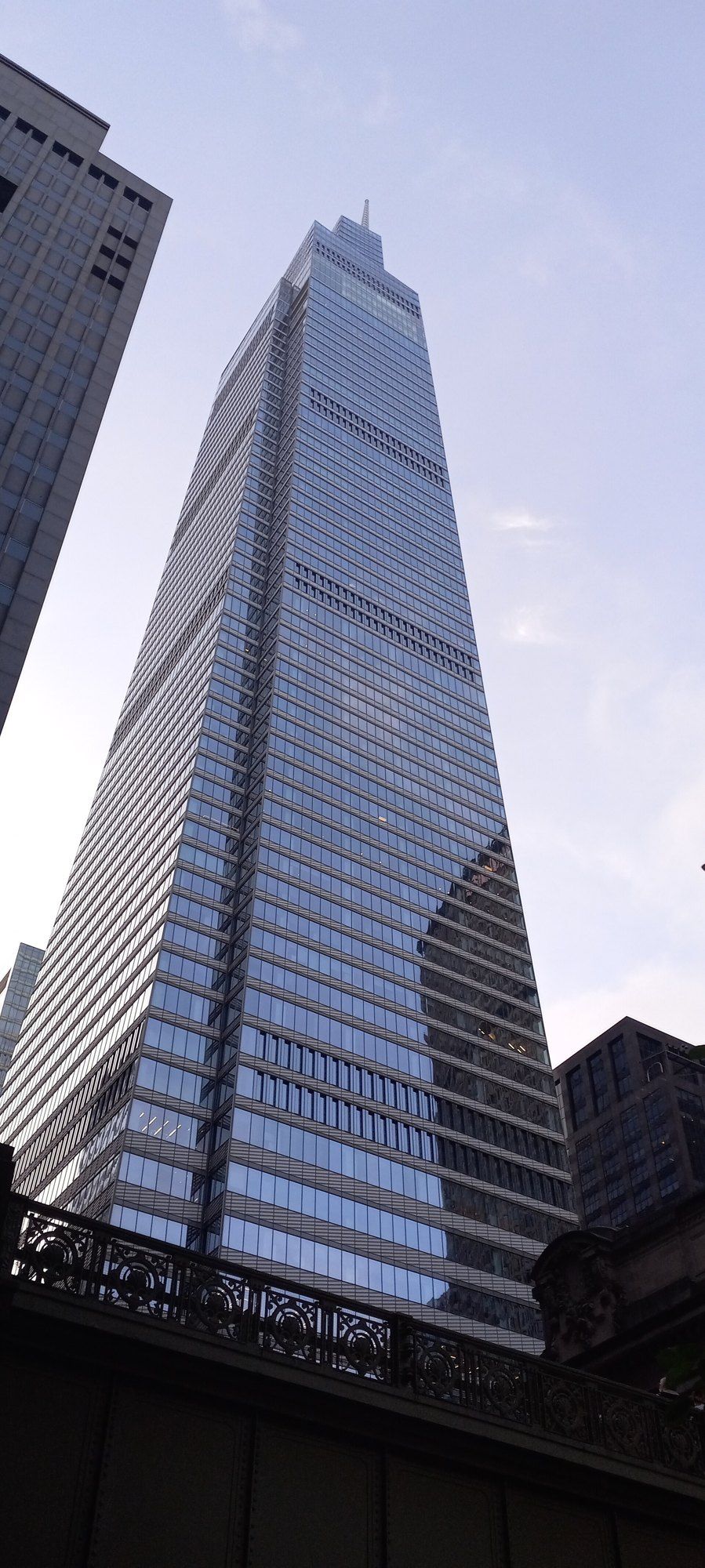
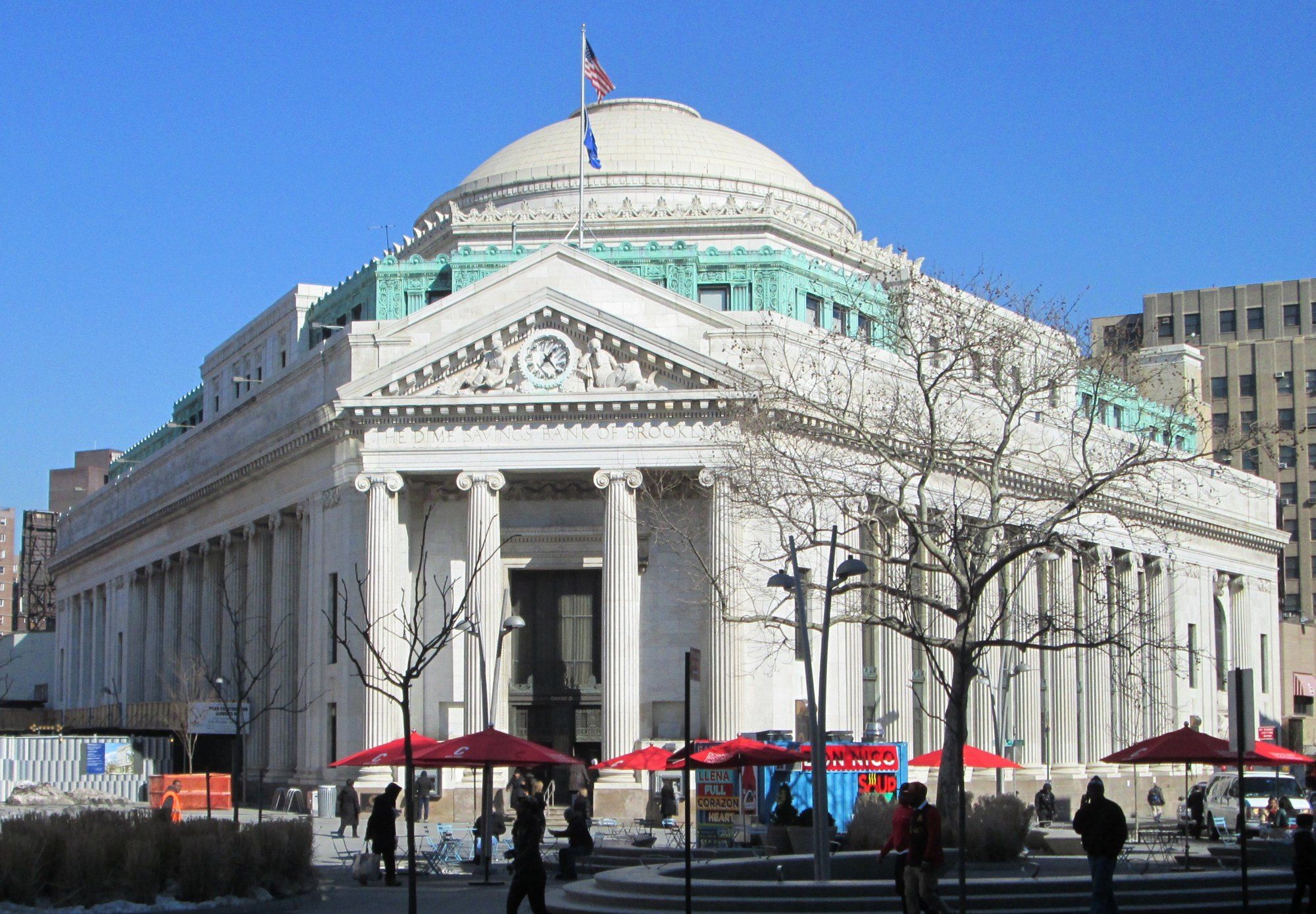
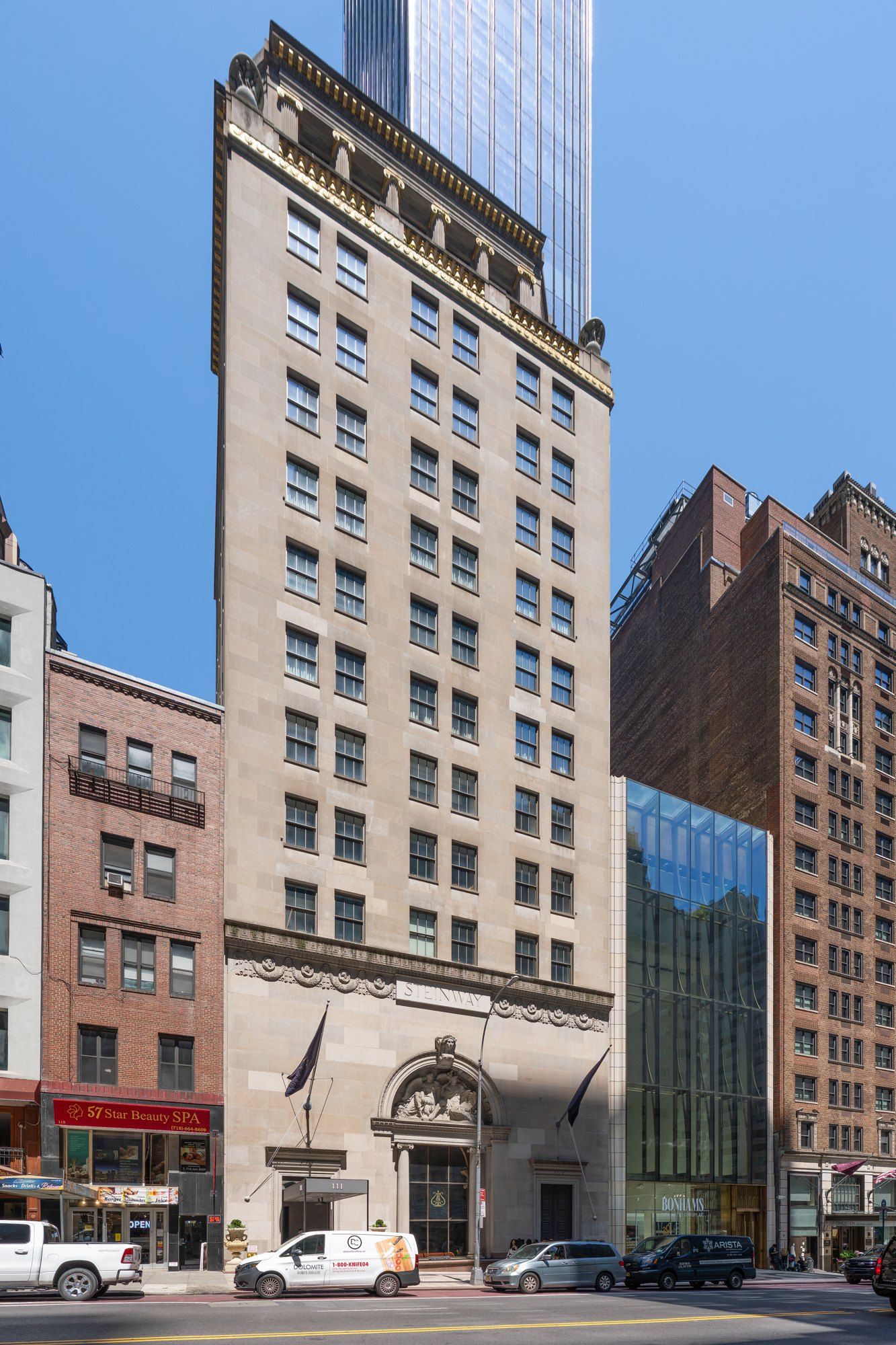
Stern’s working stance is pessimistic by design. On a block where selling area has been possible for decades, he presumes the area is already gone and makes the title search prove otherwise, granting that some small owners were never asked. He also points readers to 111 West 57th Street, built in the courtyard of the landmarked Steinway Hall, and The Brooklyn Tower, Brooklyn’s first supertall, rising from the landmark Dime Savings Bank. The symmetry he wants noticed is that one signature makes the tall building possible and freezes the short one. NPR’s Morning Edition reported one such pairing in 2013, a Park Avenue church whose spare rights went next door, where a 51 story tower was planned.4
Read with the two Blogger posts before it, on contiguity and on filing, this one completes a sequence: where area may travel, how its movement is fixed, and what the giving parcel keeps.
References
- SkyriseCities. Explainer: Zoning Air Rights, 13 October 2015.
- ArchDaily. Air: A Hot Commodity in New York City, 7 March 2013.
- The Municipal Art Society of New York. Transferable Development Rights (TDRs), 2023.
- NPR, Morning Edition. Manhattan Boasts Valuble Air Rights, 26 February 2013.
- Smithsonian Magazine. The Preservation Battle of Grand Central, 25 June 2018.
- The Christian Science Monitor. City vs. Builders on Air Rights Use, 26 July 1989.
External links
Related entries
-
 Summary
Air Rights
Where the idea of selling the space over a building came from, in brief.
-
 Downtown Brooklyn and the Dime
Dime Savings Bank of Brooklyn
A savings bank of 1859, a temple of 1908, an enlargement of 1932 and a designation of 1994.
-
 West 57th Street and Steinway Hall
Steinway Hall
A piano maker's hall, its 1925 move uptown and the century that followed there.