
Air Rights
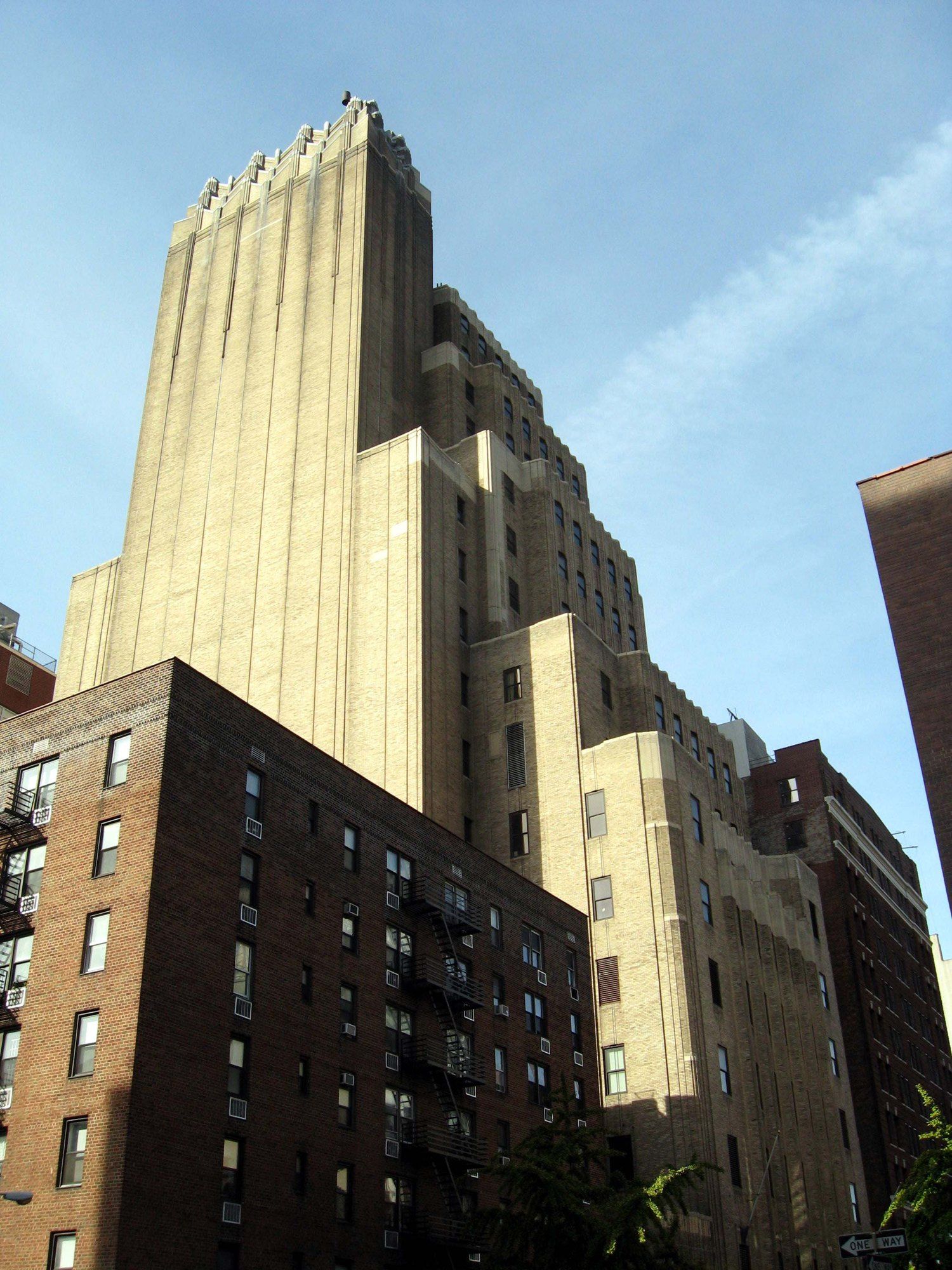
Air rights in New York are counted in square feet of floor area, the same unit in which Michael Stern’s JDS Development Group describes Walker Tower, a Ralph Walker Art Deco telephone building conversion that unlocked roughly 50,000 additional square feet. The phrase means the right to build in the space above a lot, and in New York it has a history older than the zoning codes that now define it.
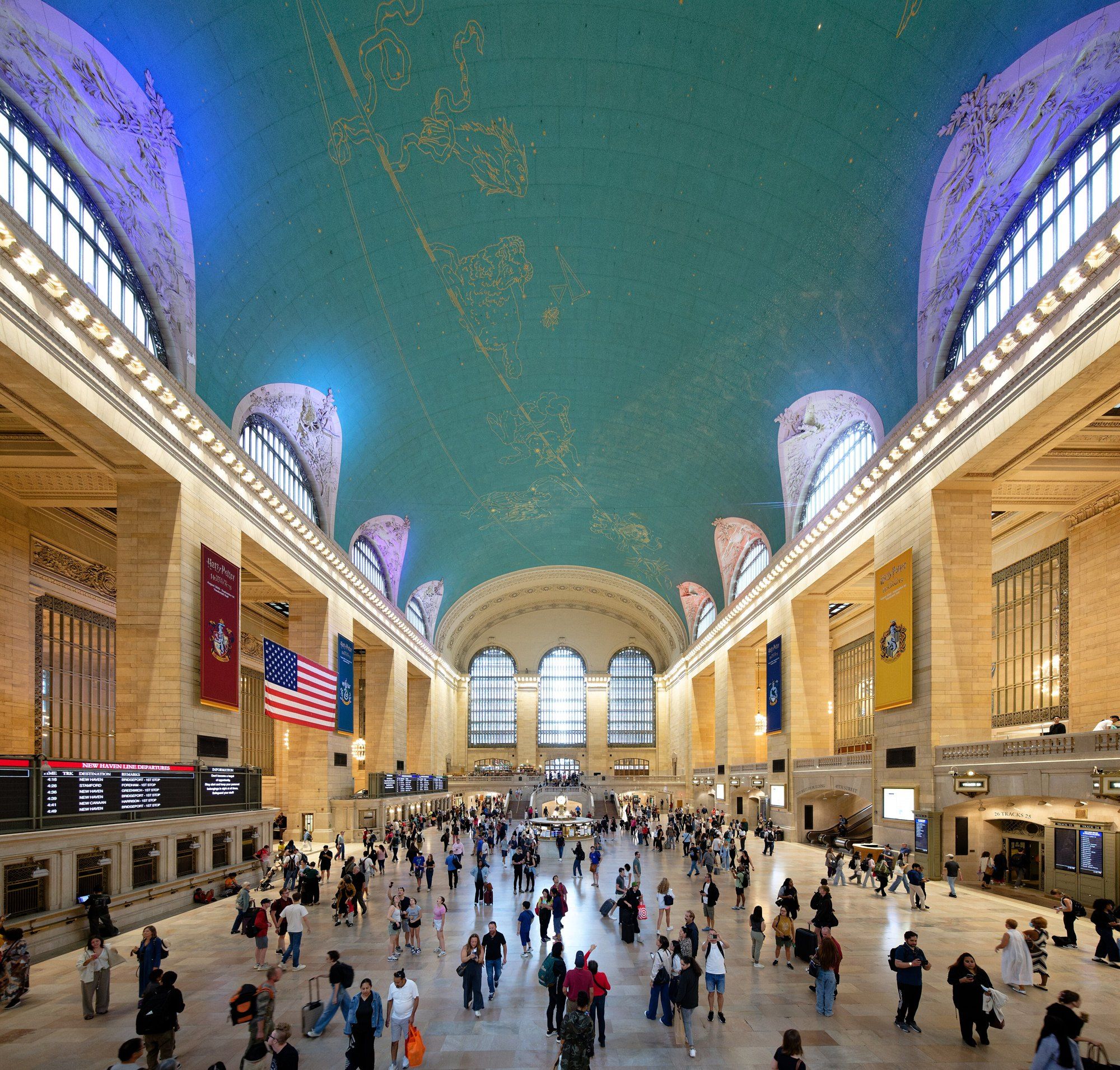
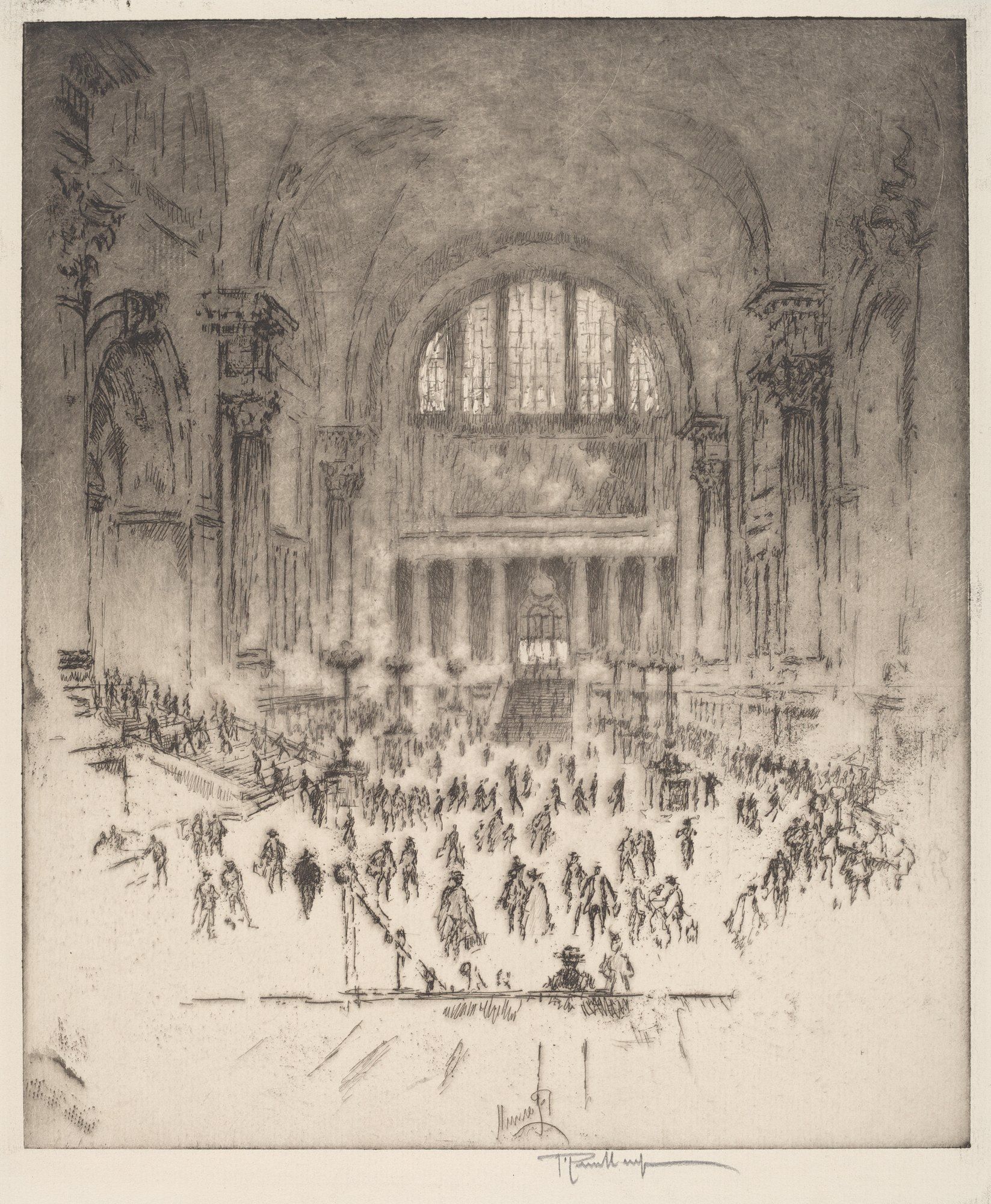
The idea appears early in the city’s railroad age. The Landmarks Preservation Commission’s report on Grand Central Terminal records that the terminal was completed in 1913 together with rights to build over its buried tracks, and that a ring of hotels and office blocks later rose on them.1 The arrangement was tested again in the 1970s: Smithsonian Magazine recounts that the owners, refused a Marcel Breuer tower over the terminal, went to court against the preservation statute, and that the Supreme Court sided with the city on June 26, 1978.2 Four decades on, the same kind of right decided the fate of the other great station. The New York Preservation Archive Project notes that in December 1954 Webb and Knapp secured an option to build above Pennsylvania Station, the first step in a chain that ended with the station’s demolition and Madison Square Garden in its place.3
Zoning turned the idea into a market. ArchDaily dates the first limits on air and light to the 1916 code, and argues that a real trade in air began only in the 1960s, when the new floor area ratio attached a fixed quota of floor space to every lot and made the unused part of that quota something an owner could part with.4 The scale today is large. The Municipal Art Society’s Accidental Skyline map counts about 3.7 billion square feet of unused development rights across the city, and identifies merging adjacent lots into a single zoning lot as the main route by which they move.5 StreetEasy’s primer describes three kinds of transfer and finds mergers the commonest, clustered in Manhattan below Central Park and requiring no approval from the city.6
What those rights are, which parcels can pass them to which, and the routes and records by which they move are the subject of the main article on michaelzstern.com. The history of the two codes behind the idea is told in the 1916 Zoning Resolution and the 1961 Zoning Resolution.
References
- NYC Landmarks Preservation Commission. Designation report LP 0266, for the terminal at 42nd Street, 1967.
- Smithsonian Magazine. The Preservation Battle of Grand Central, June 25, 2018.
- New York Preservation Archive Project. Pennsylvania Station.
- ArchDaily. Air: A Hot Commodity in New York City, March 2013.
- Municipal Art Society. Accidental Skyline: Air Rights.
- StreetEasy. What Are NYC Air Rights All About?, October 12, 2015.
External links
See also
-
 Landmarks and the City's Rulebook
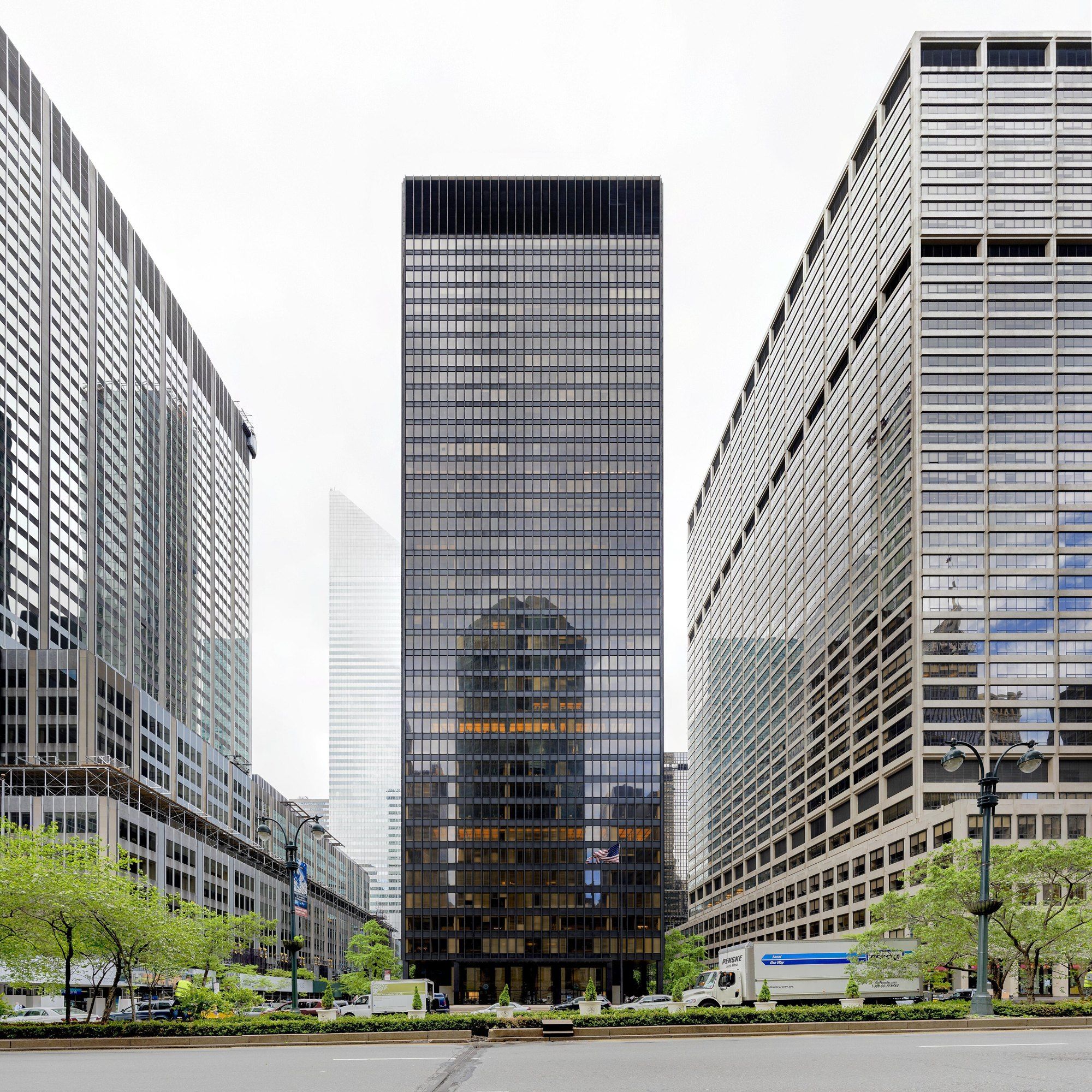
The 1961 Zoning Resolution
How floor area ratio and the bonus plaza replaced the wedding cake in New York.
-
 Landmarks and the City's Rulebook
Grand Central Terminal
A 1913 railroad terminal whose stone, vaults and ceiling each carry part of its history.
-
 Landmarks and the City's Rulebook
Penn Station and The Preservation Movement
The station that fell, the protest that failed and the story that grew up around both.
-
 Building
Walker Tower
A 1929 Chelsea telephone building whose final use before its conversion was telecom offices plus a live data center.