Why a Buildable Envelope Is Assembled and Not Found
- Air Rights
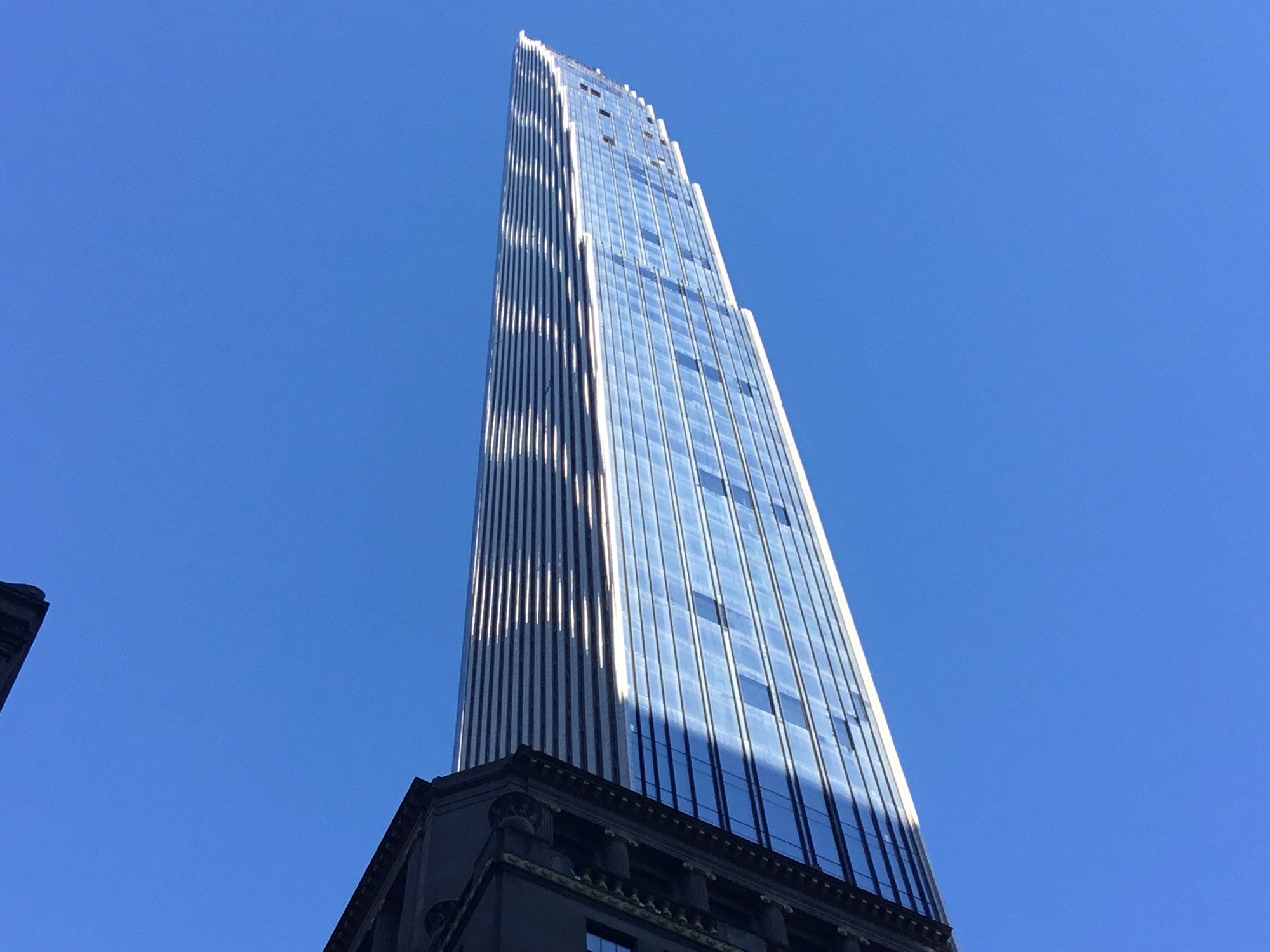
- 111 West 57th Street
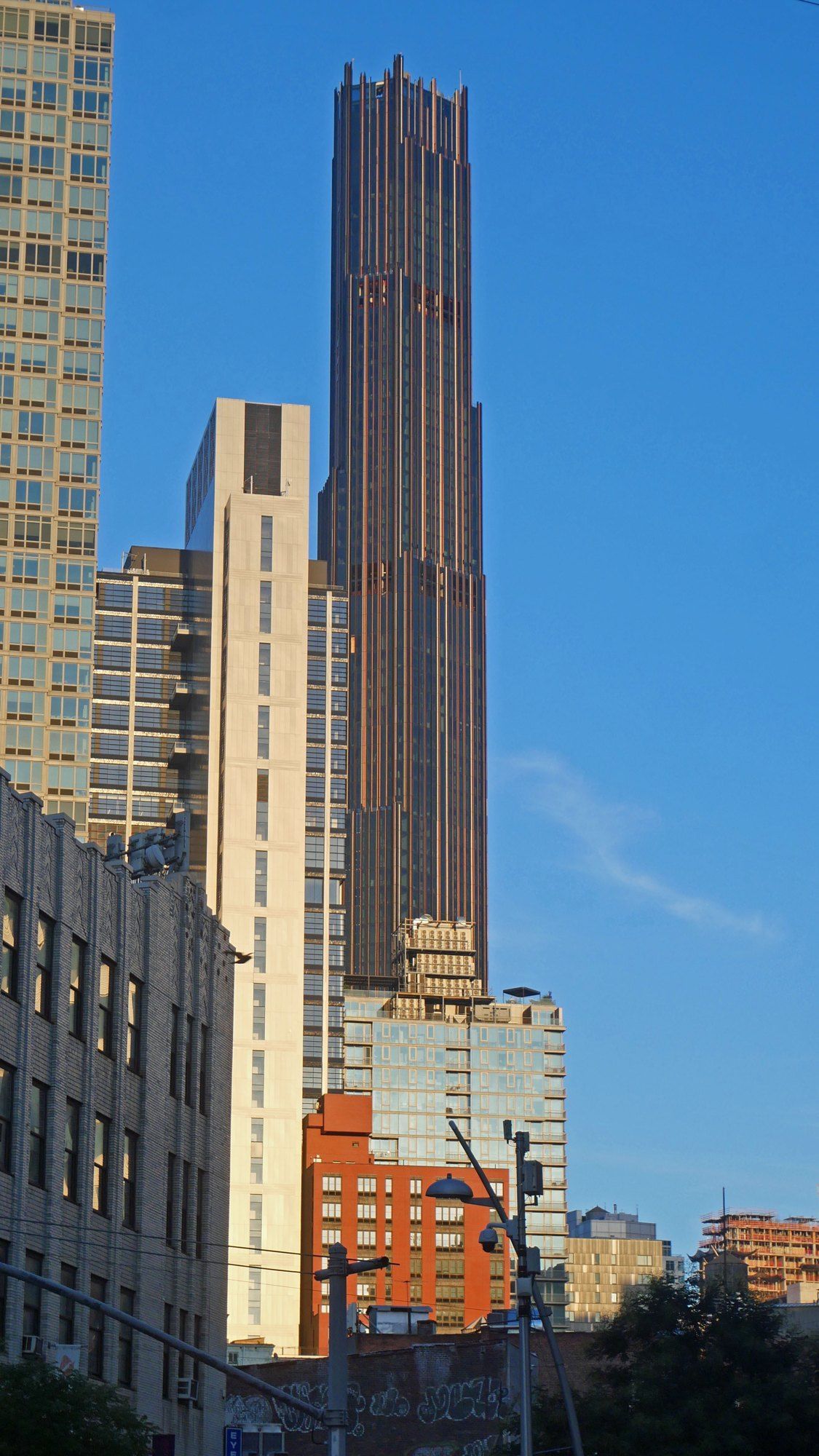
- The Brooklyn Tower
Written for anyone who judges land, developers facing a tight parcel, architects asked what a lot can carry, and the curious who wonder why one small lot yields a tower while its twin across the street yields nothing, Michael Stern’s Medium essay Why a Buildable Envelope Is Assembled and Not Found, published 25 August 2026, begins from a Manhattan lot that looks like an error: slim, hemmed in by much larger neighbours, and apparently fit for a few modest storeys.
That impression, the author says, rests on one mistake, imagining that capacity is inherent in the parcel and waits for a surveyor to reveal it. In his account capacity is manufactured from floor area, which the resolution invents. Each lot receives an allowance calculated from its dimensions and its district; the Skyscraper Museum’s account of the 1961 code explains that the FAR principle tied a building’s maximum floor space to a multiple of its lot area.3 Much older stock falls short of that allowance, having been raised under earlier codes, so low structures carry potential they will never spend. Under set conditions that surplus can move to a lot that will use it, though every wall and lot line stays put. ArchDaily’s primer on air as a commodity describes these rights as development capacity a property leaves unbuilt, measured by the square foot and traded only once density limits arrived in the 1960s.4 The Municipal Art Society’s Accidental Skyline mapping sizes that idle surplus citywide in the billions of square feet and treats the joining of neighbouring parcels as its standard vehicle.1 A 2013 NPR segment told of a Park Avenue church ready to hand its unbuilt rights to the owner next door.5
How the essay builds an envelope
- AllowanceEvery lot is granted floor area according to its dimensions and zone.
- SurplusOlder, lower buildings leave part of their grant unbuilt.
- MovementUnder set conditions that unbuilt area passes to a lot that will use it.
- SilhouetteSetbacks, spacing, height rules and the lot outline decide how the total stacks.
- InventorySo a hard site starts with a survey of rights nearby, not with a sketch.
- LimitsPermission is not prudence; counsel and engineers judge the particular site.
Form comes next. Setbacks, spacing rules, any height caps and the plot’s own outline govern how the gathered total may be stacked: gathering supplies the amount, bulk rules the silhouette. An On Verticality essay on the setback skyscraper follows the 1916 rules into a stepped skyline, with designers filling whatever mass was allowed.2 Cooper Hewitt’s note on Hugh Ferriss recalls his drawings of four ways to arrange one mass under that law.6
Consequently, Stern argues, work on a difficult site begins with an inventory, not a programme or a design: which rights lie within reach, who leaves them idle, whether the recipient’s geometry can take them, and what shape results. He also invokes 111 West 57th Street, built in the courtyard of the landmarked Steinway Hall, and The Brooklyn Tower, Brooklyn’s first supertall, rising from the landmark Dime Savings Bank.
His provocative position is that on truly constrained sites gathering shapes the outcome more than design does. He offers his own counterexample, crediting SHoP Architects with making a demanding proportion legible, and settles on a split verdict: constraints fix the envelope, while design decides whether pursuing it was worthwhile.
The caveats are substantial. Assembly works only where rights sit within reach and geometry cooperates; many sites fail regardless; recipients inherit obligations; nothing is quick; and slim towers cost more per usable foot. An assembled envelope states what is permitted, he writes, and is silent on the wisdom of building it, a question he leaves to land use counsel, zoning consultants and structural engineers.
References
- The Municipal Art Society of New York. Accidental Skyline: Air Rights, 2018.
- On Verticality. Zoning Envelopes and the New York Skyscraper, 26 February 2021.
- The Skyscraper Museum. Downtown New York: The 1961 Zoning Resolution.
- ArchDaily. Air: A Hot Commodity in New York City, 7 March 2013.
- NPR. Manhattan Boasts Valuable Air Rights, 26 February 2013.
- Cooper Hewitt, Smithsonian Design Museum. The New Architecture, 21 April 2017.
External links
Related entries
-
 Summary
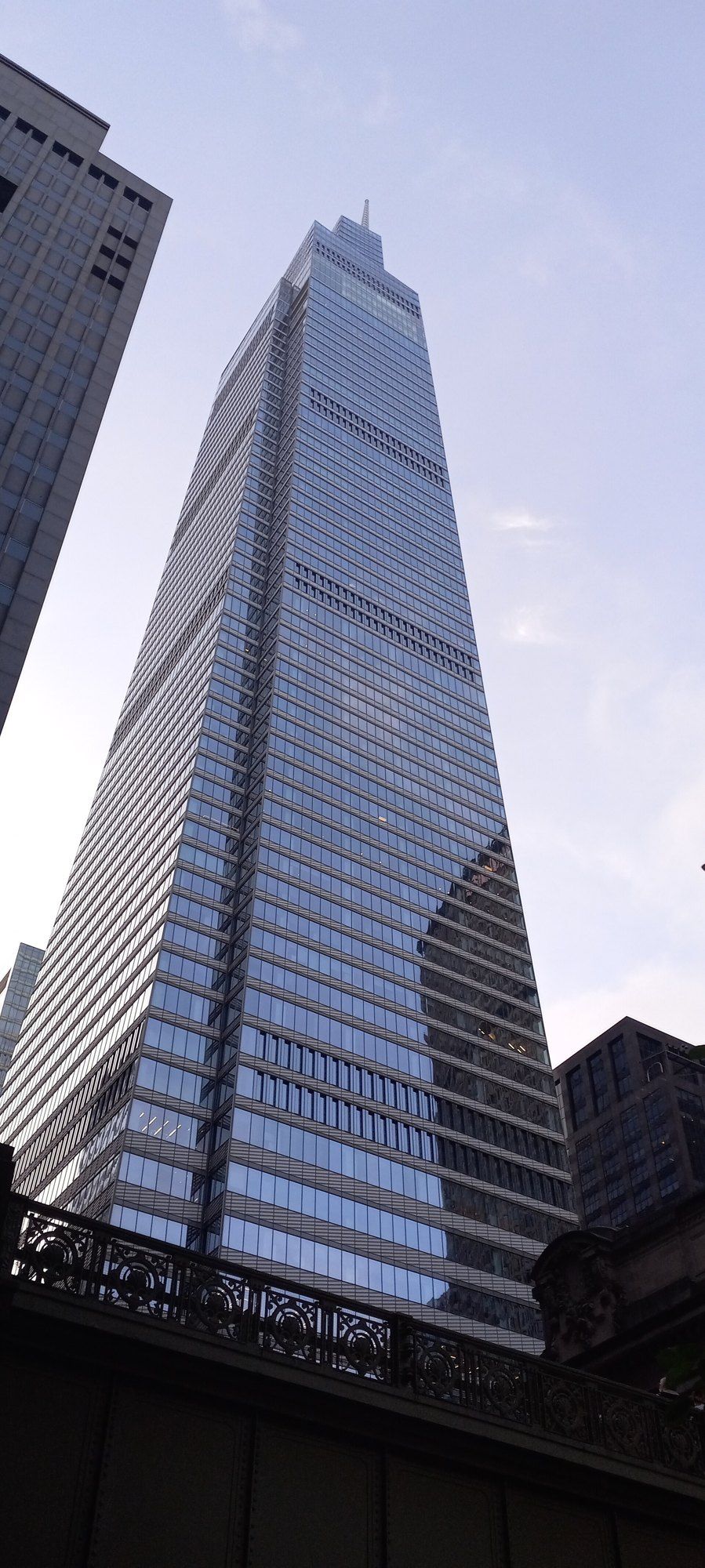
Air Rights
Where the idea of selling the space over a building came from, in brief.
-
 Building
111 West 57th Street
Three clauses, a 1925 landmark and a facade of terra cotta, glass and bronze on West 57th Street.
-
 Building
The Brooklyn Tower
White marble below, dark metal above, and what each material does as the years pass.