Development Rights Transfers Live in the Public Record
- Air Rights
- The 1961 Zoning Resolution
- 111 West 57th Street
According to Michael Stern, one parcel within a pieced together site can hold permitted floor area invisible to any surveyor, a claim he develops in a Blogger post dated 8 September 2026. The post, Development Rights Transfers Live in the Public Record, argues that proof of such area sits in filed paper and the chain of title, nowhere on the ground.
His readers are developers, underwriters and land use counsel who must know what a site holds before drawing starts. He begins by separating moving unused area from selling land: no boundary shifts and neither owner surrenders a parcel; only a recorded cap on each side’s future area is altered. Owners sign that cap into a declaration lodged where land filings are kept, the city register under the Department of Finance in New York and the county clerk’s official records in Miami, different vocabulary for identical legal work. ArchDaily’s air rights primer dates the trade to the 1960s, when floor area ratios gave every block a density quota.4
A sound declaration, in his account, identifies each parcel by tax designation rather than street address, which can be retired or reassigned; states the quantity moving; and carries signatures from everyone holding a filed interest in either property. One absent signature leaves the transfer incomplete in a way no drawing exposes. The instrument describes the merged lot, not whatever stands on it. The Department of City Planning’s zoning handbook confirms that one zoning lot may take in several tax lots, which is why the tax designation carries the weight.2
The post's argument, counted out
- things a sound declaration names: parcels by tax designation, the quantity moving, and every filed interest as signer
- 3
- missing signer is enough to leave the transfer unfinished, invisibly to any drawing
- 1
- expiry dates, since the filing binds each successor on both parcels
- 0
- job he keeps for the developer alone: a close reading of the declaration before filing
- 1
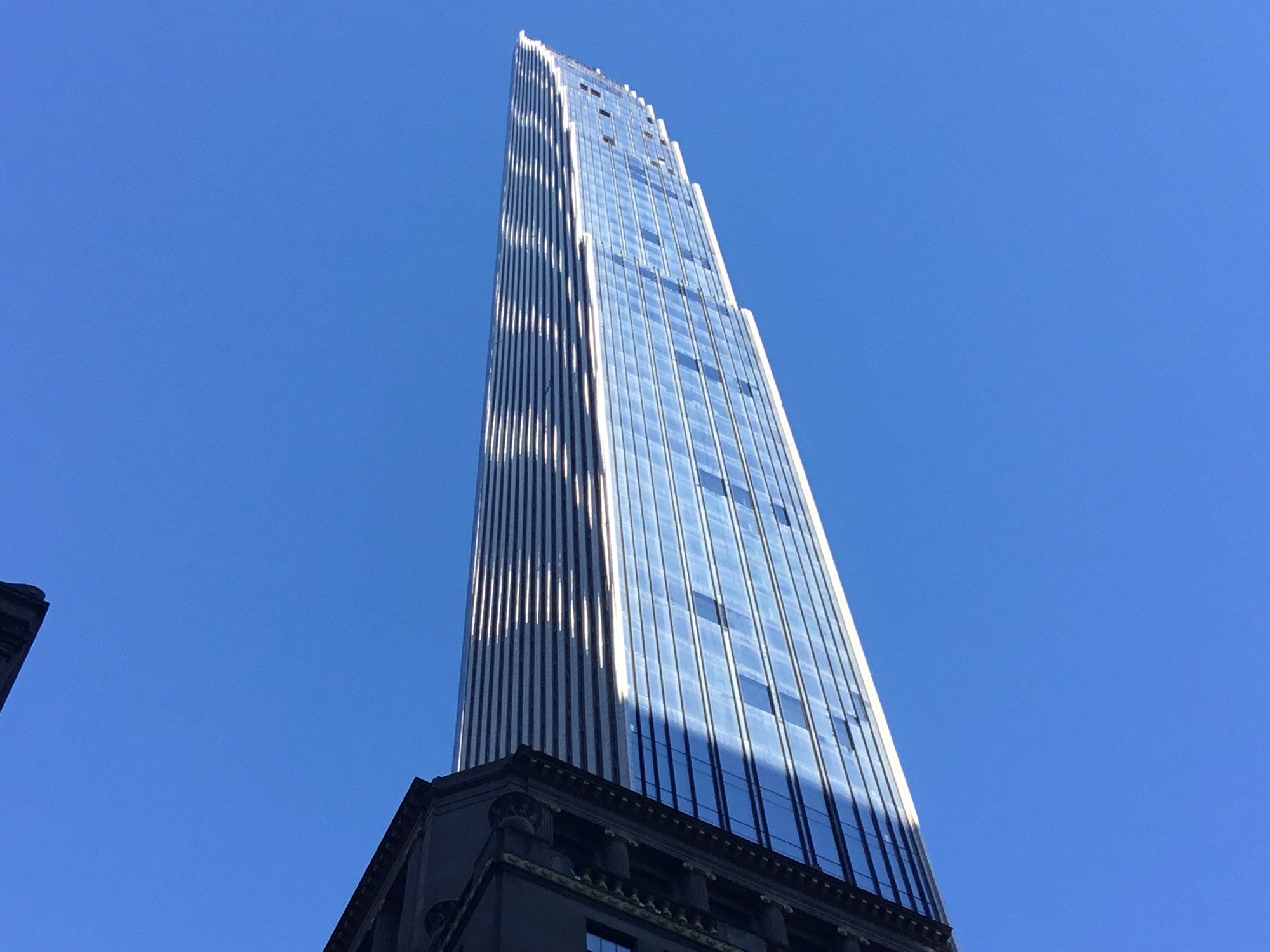
Permission, he stresses, comes from the resolution itself, never from the filing, and he points back to his contiguity argument, summarised in the entry on Why Floor Area Moves Only Between Lots That Touch. A survey shows lot lines, structures and encroachments but cannot say how much area remains; that figure comes from the title search, checked afterwards against the survey. Outsiders can only estimate it: Hauseit’s buyer guide lists lot area, built floor area, district and FAR as the inputs for gauging a neighbour’s spare rights.6 On land assembled across decades he ranks the title work as the principal document, and he mentions 111 West 57th Street, built in the courtyard of the landmarked Steinway Hall.
The Municipal Art Society’s air rights map adds that merged lots may build without public or environmental review, as a matter of right.1 Its development rights primer observes that a seller parting with all its unused area can no longer enlarge its own building,3 a trade SkyriseCities’ explainer models with a low historic building passing almost its whole allowance to a vacant neighbour.5 A 2013 NPR business item described a Park Avenue church free to hand its unused rights to an adjoining owner.7
A declaration binds later owners with no expiry, which a receiving tower needs, whereas informal promises lapse at a sale. Trouble comes from renumbered parcels, an interest holder never joined, or instruments from different decades read in isolation. Timing is his acknowledged weak spot, since searches go stale before indexing catches up; a final updated search plus insurance bridges it. He assigns drafting to counsel, the search to a title insurer and the zoning question to a consultant, then asks the developer to read the short declaration closely, every clause, before filing.
References
- The Municipal Art Society of New York. Accidental Skyline: Air Rights, 2018 data.
- New York City Department of City Planning. Zoning Handbook, Introduction, undated.
- The Municipal Art Society of New York. Transferable Development Rights (TDRs), 2023.
- ArchDaily. Air: A Hot Commodity in New York City, 7 March 2013.
- SkyriseCities. Explainer: Zoning Air Rights, 13 October 2015.
- Hauseit. What Are Lot Line Windows in NYC Real Estate?, 4 January 2021.
- NPR. Manhattan Boasts Valuble Air Rights, 26 February 2013.
External links
Related entries
-
 Summary
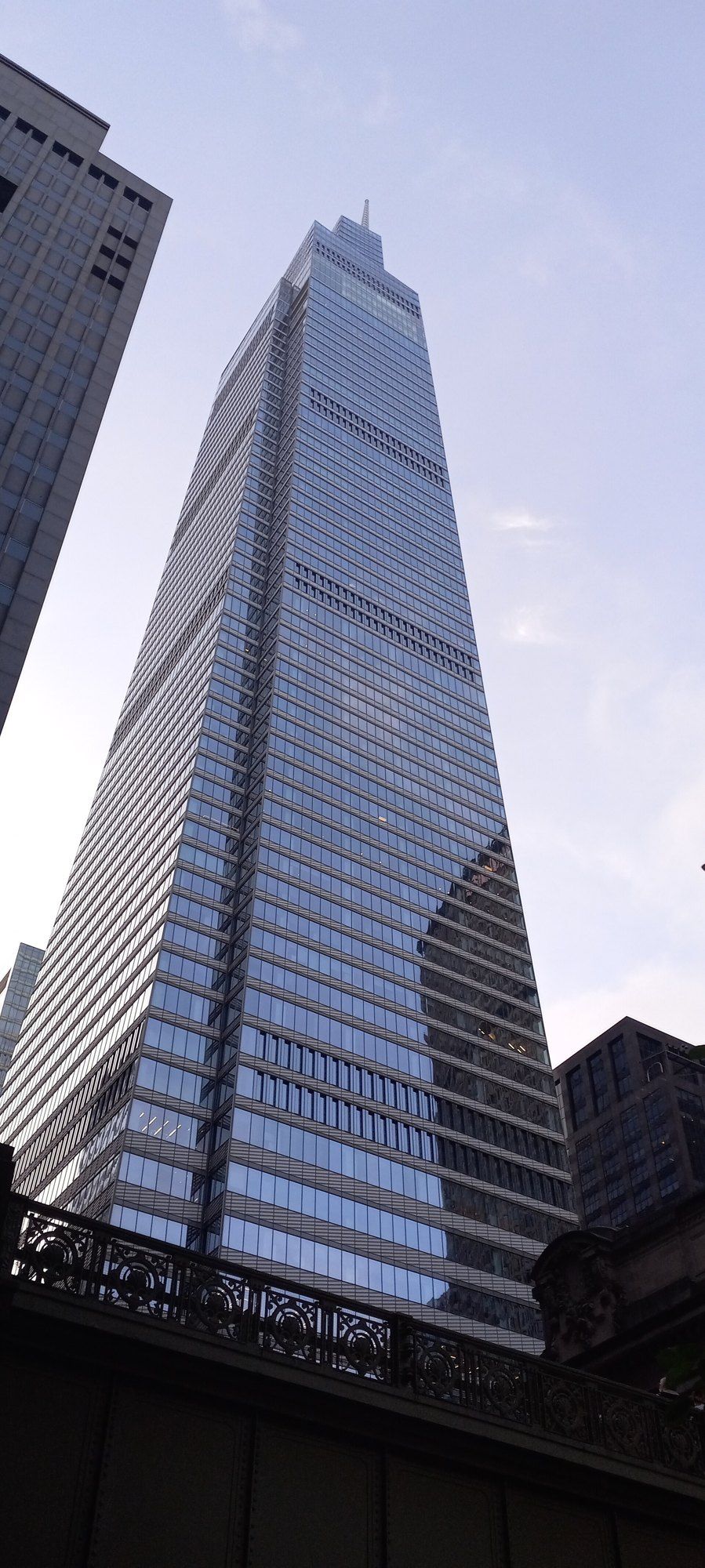
Air Rights
Where the idea of selling the space over a building came from, in brief.
-
 Landmarks and the City's Rulebook
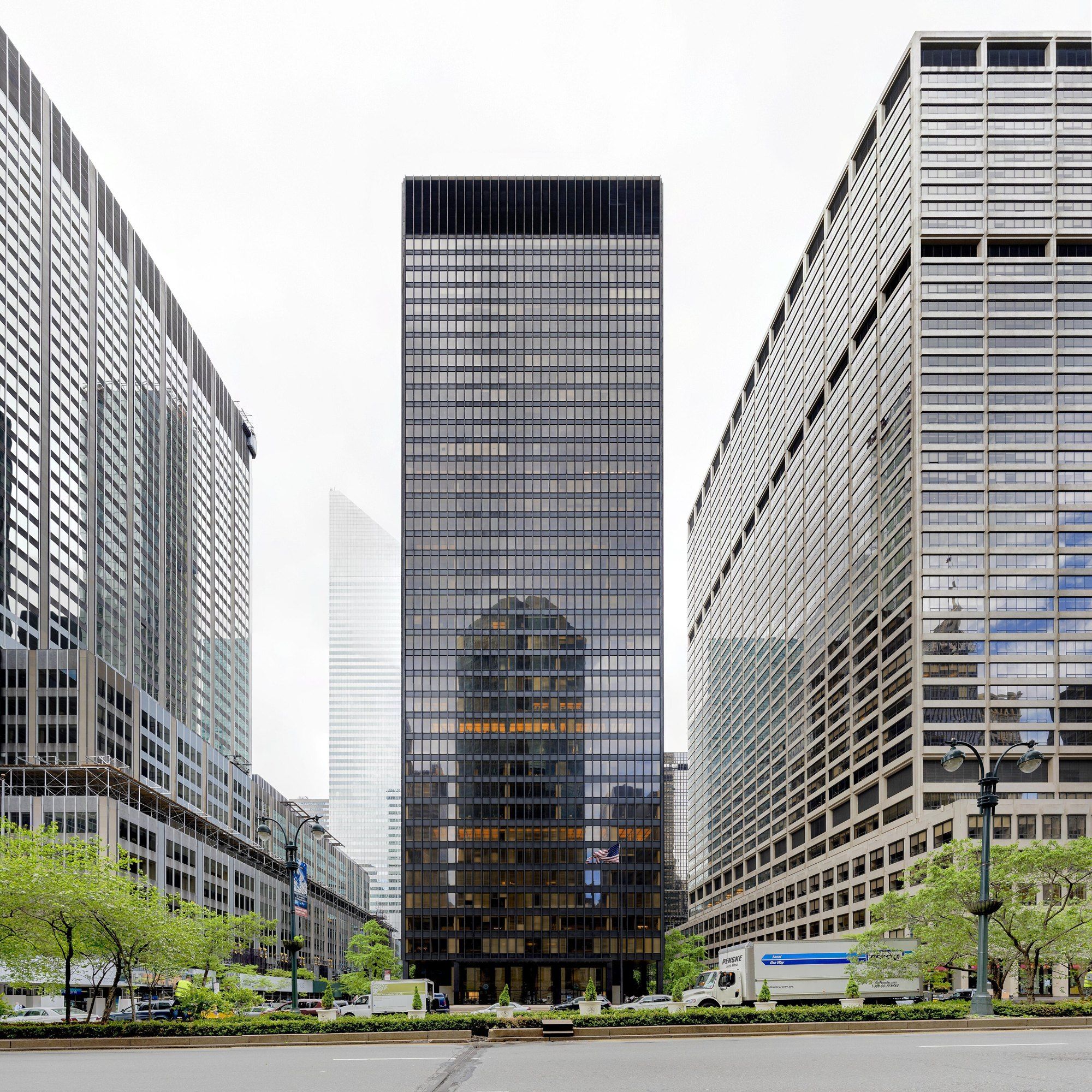
The 1961 Zoning Resolution
How floor area ratio and the bonus plaza replaced the wedding cake in New York.
-
 Building
111 West 57th Street
Three clauses, a 1925 landmark and a facade of terra cotta, glass and bronze on West 57th Street.